
Cornell University
projects 2026
Clay+

FINALIST PROJECT
Platinum Medal Recognition for Narrative, Concept, Context, and Reflection
Jacob Gasper, Sarah Rupani, Yuji Kitamura, Riley Noble
Clay+ explores how locally available agricultural byproducts can be used to create self-forming clay materials without firing. While clay is a sustainable building material, it often requires molds to produce complex forms and significant energy to fire the final product. This research investigates how hemp fibers, hemp hurd, extracted fibers from manure, and raw manure can be mixed with clay to create controlled shape changes as the material dries. Compression testing was conducted to evaluate the structural performance of the resulting composites. Clay+ proposes a framework for developing locally sourced building materials that reduce embodied energy while expanding the formal and structural possibilities of unfired earth.
PhageMatter
Nonfinalist Project
Stevie Phelabaum
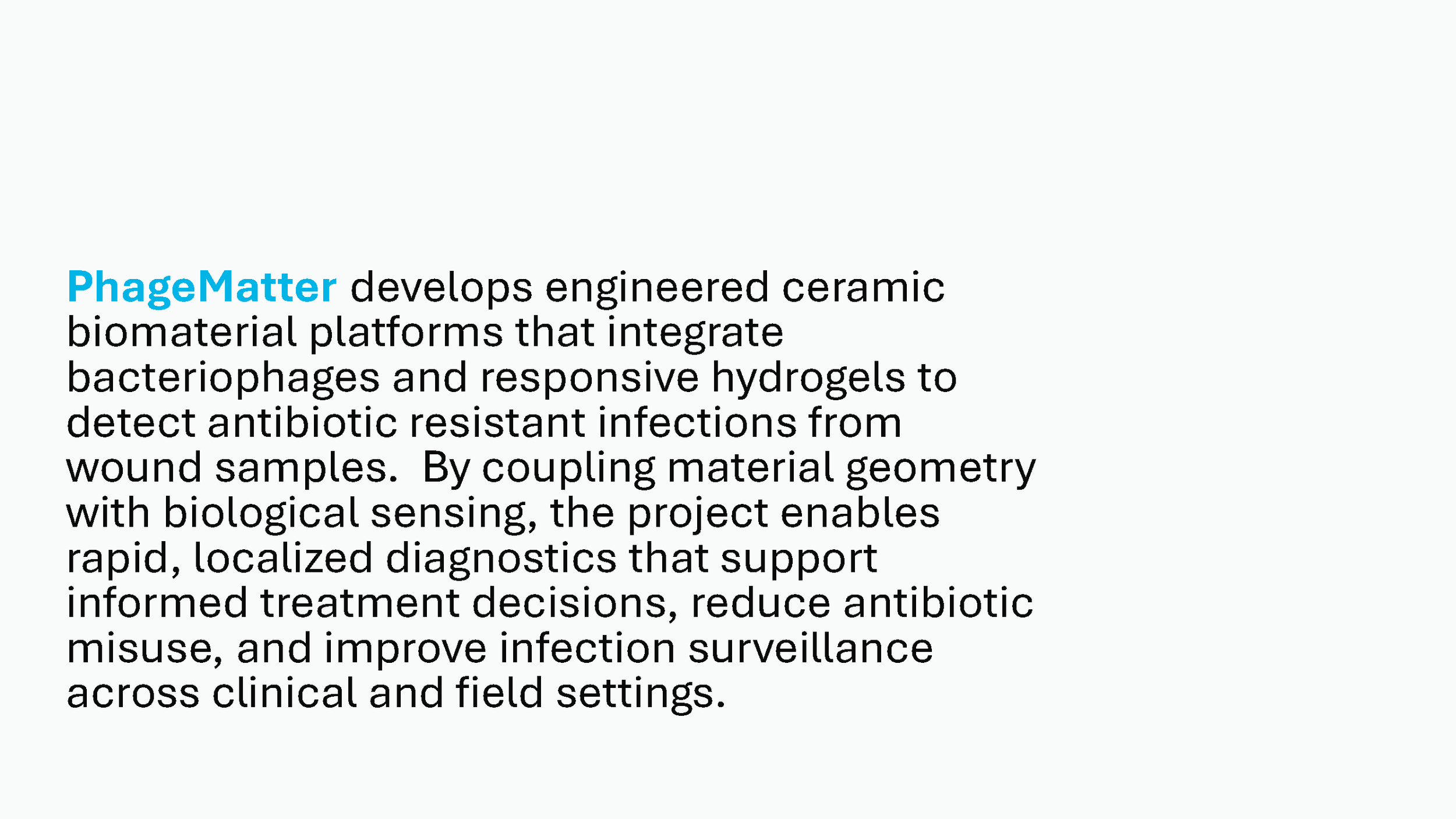
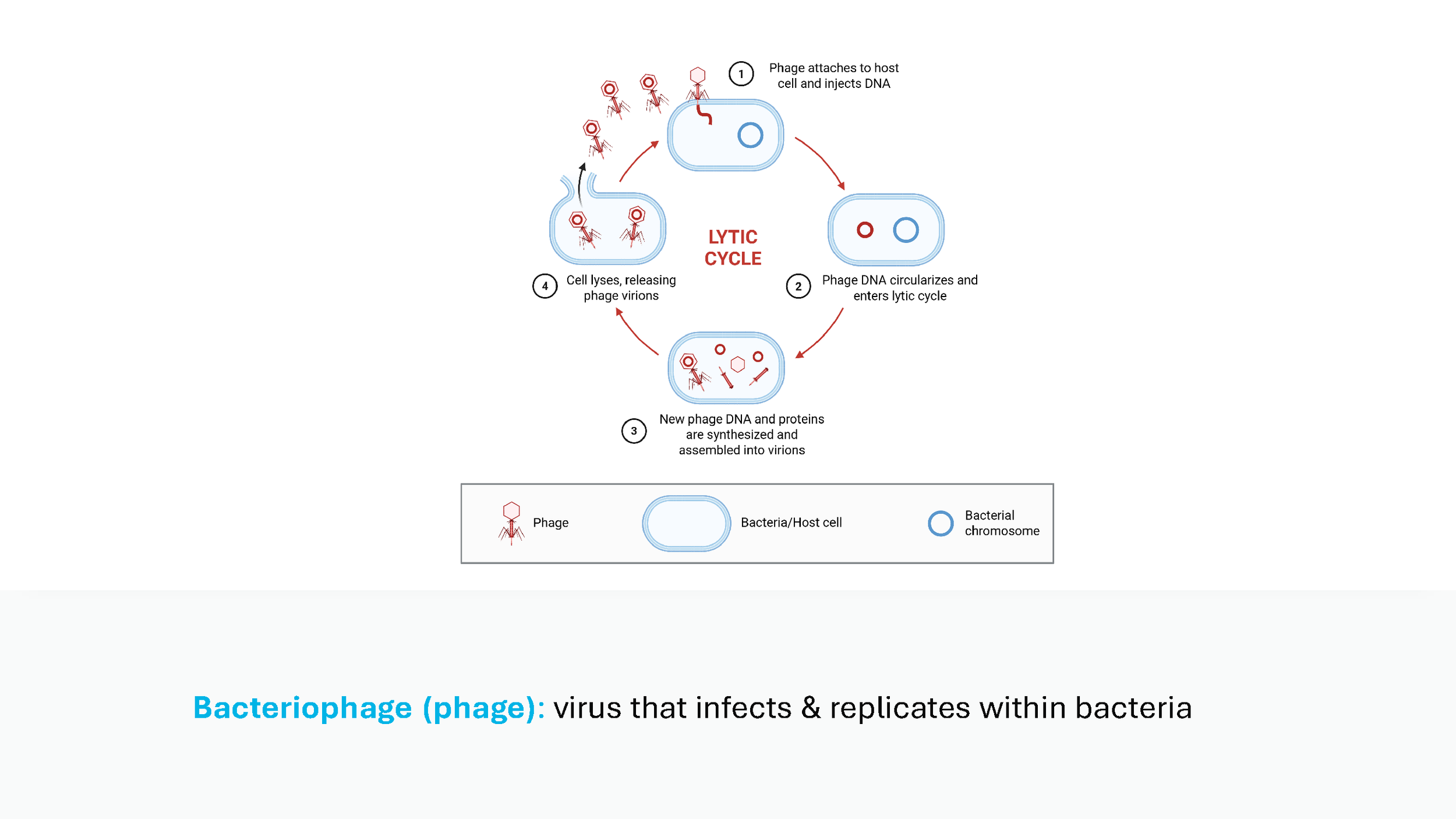
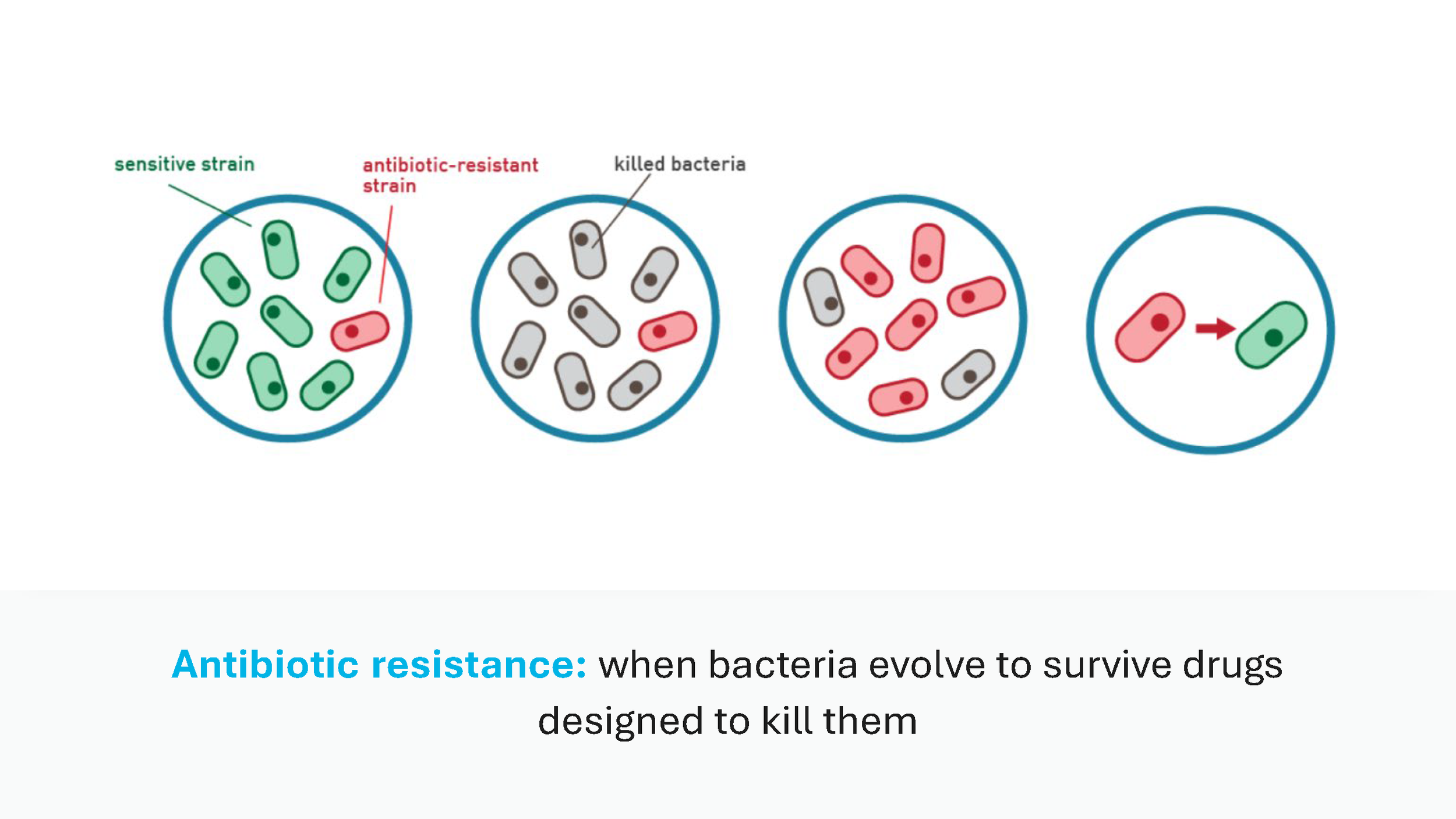
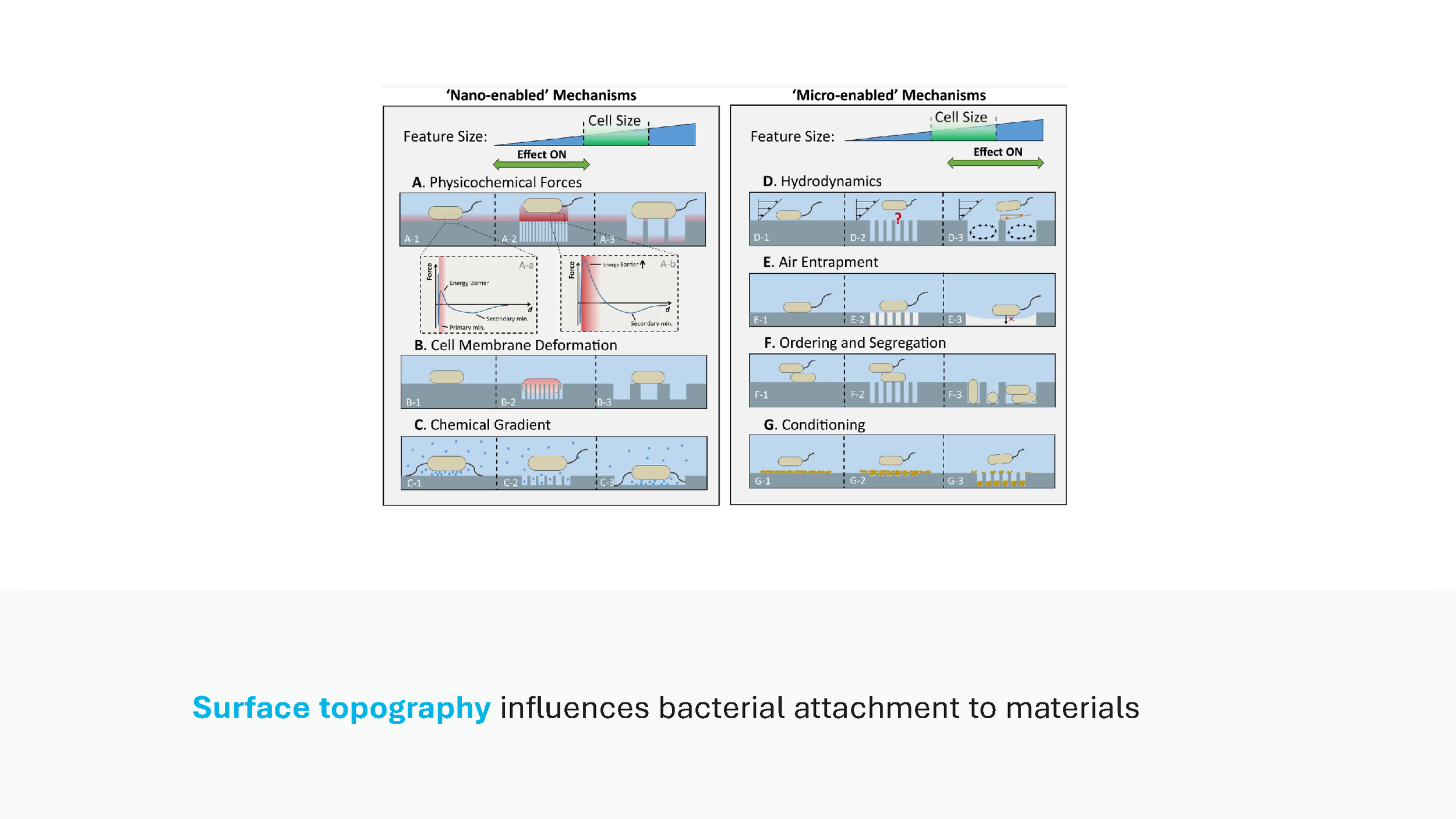
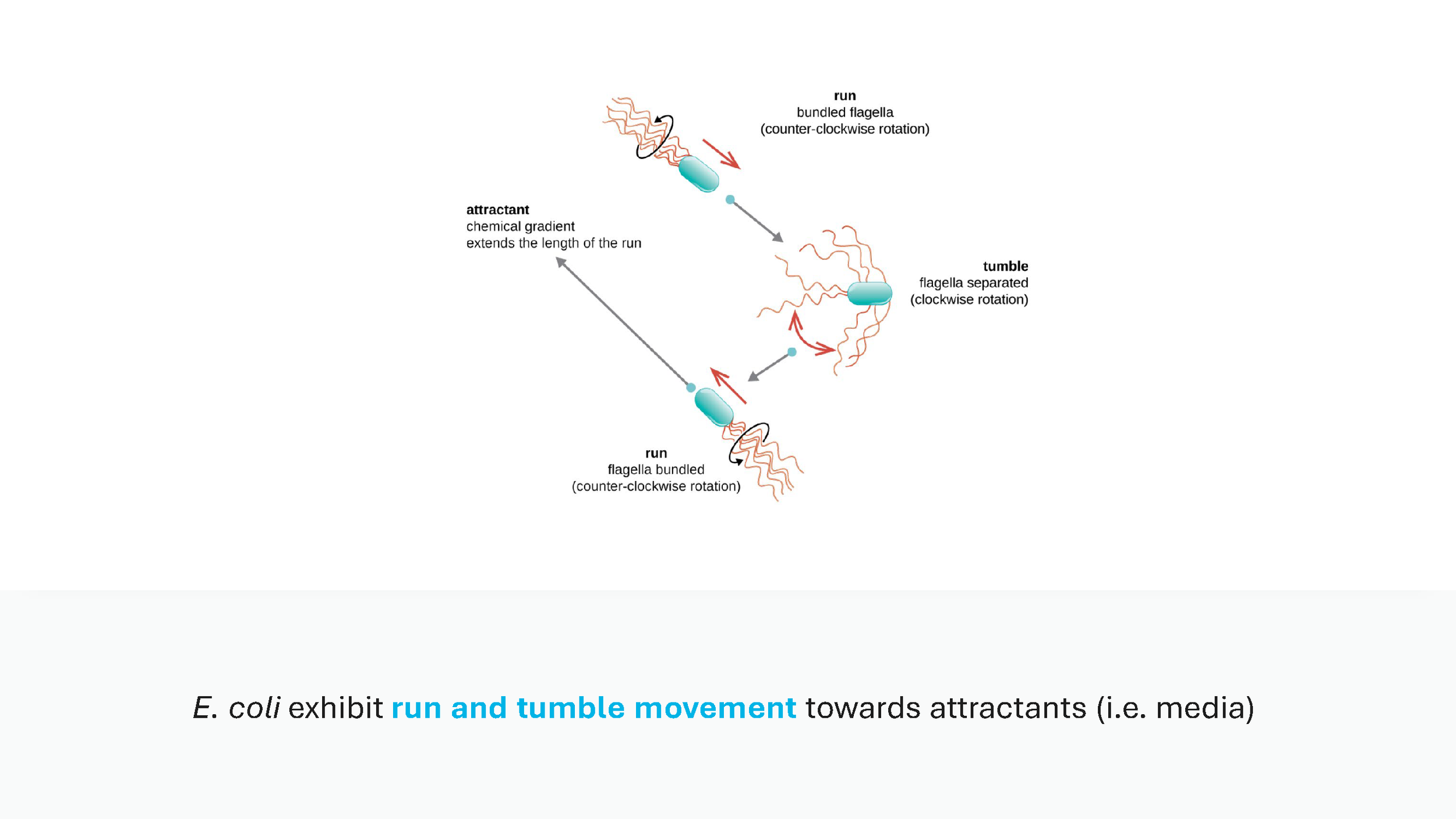
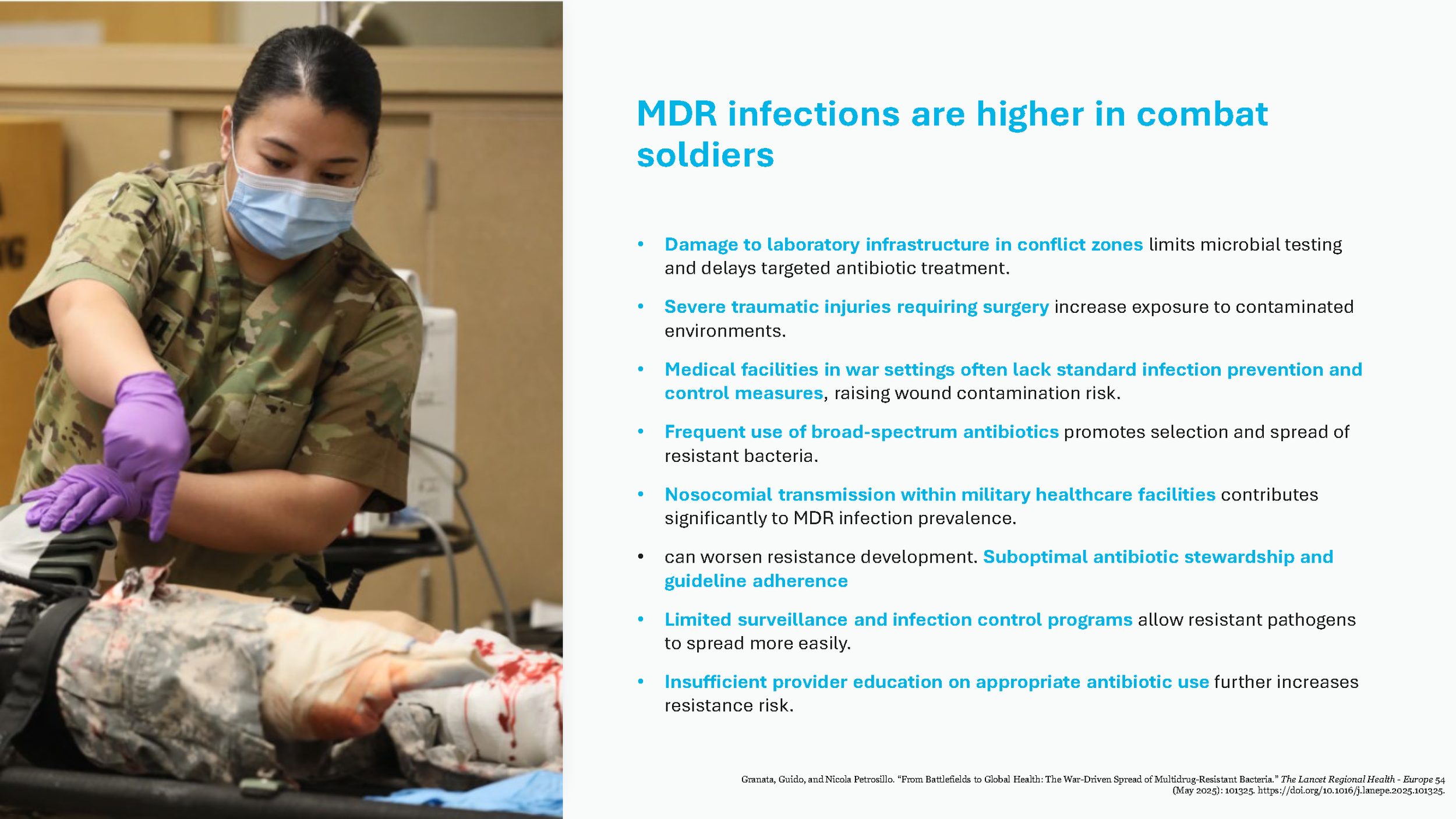
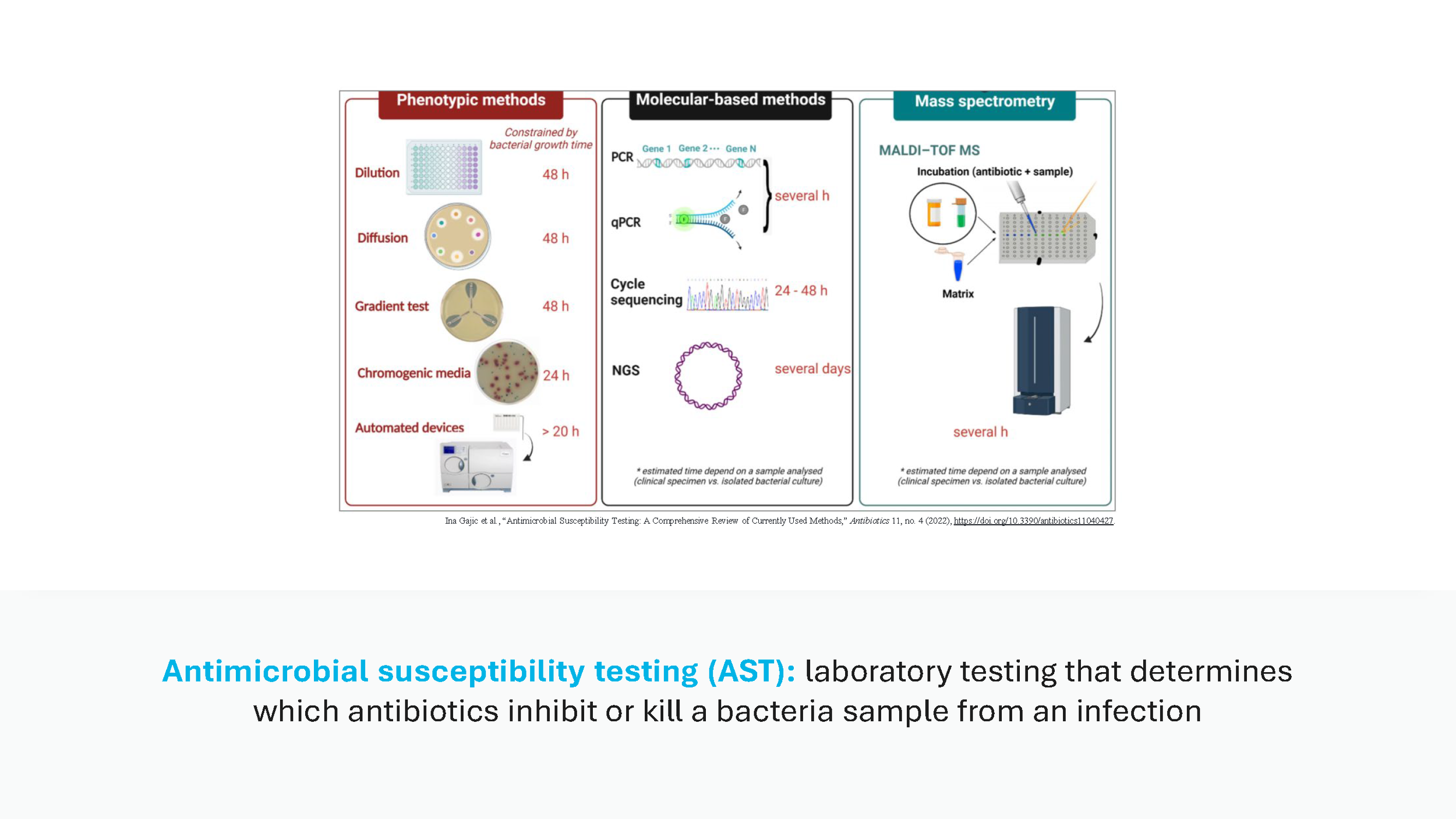
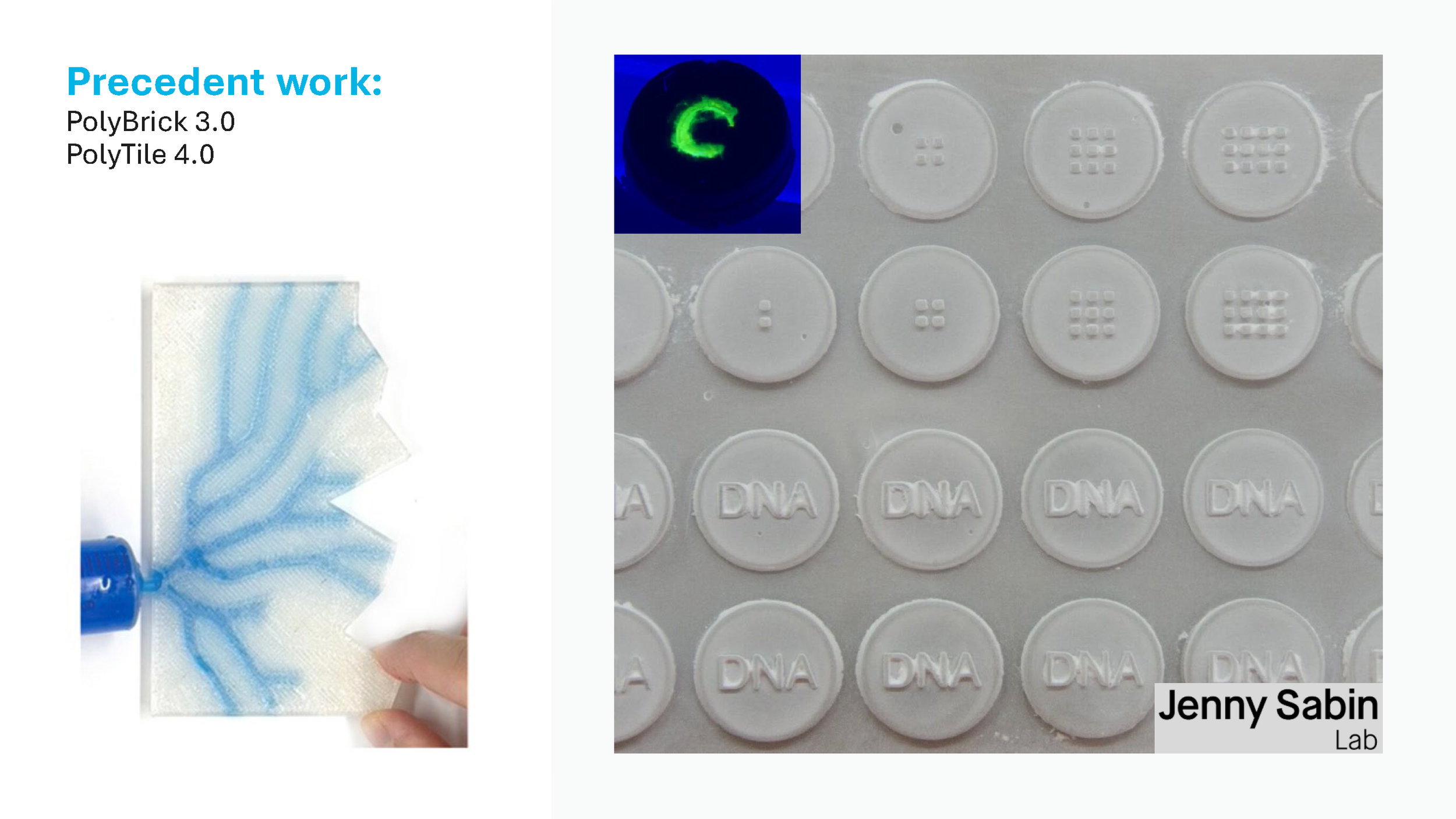
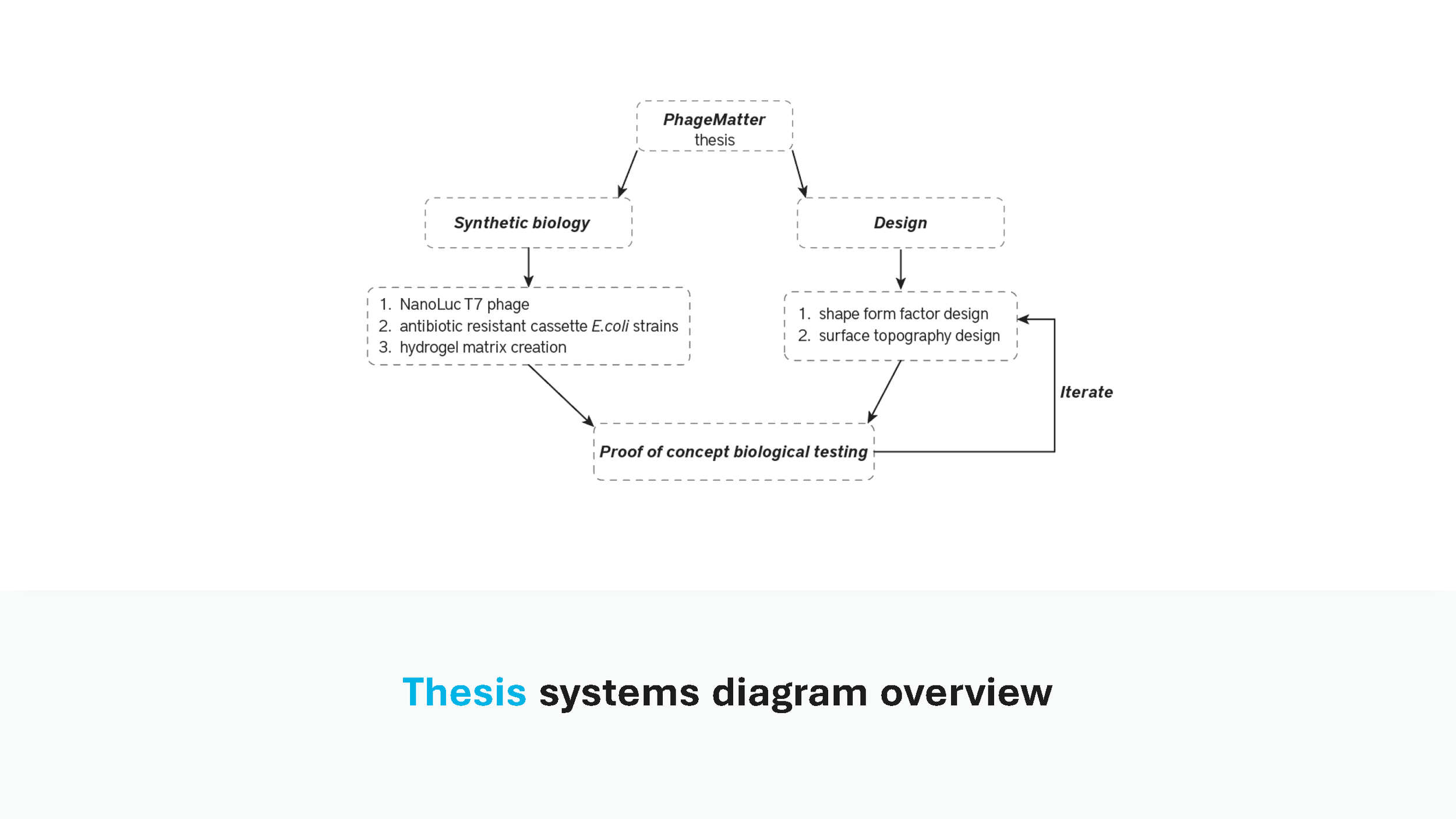
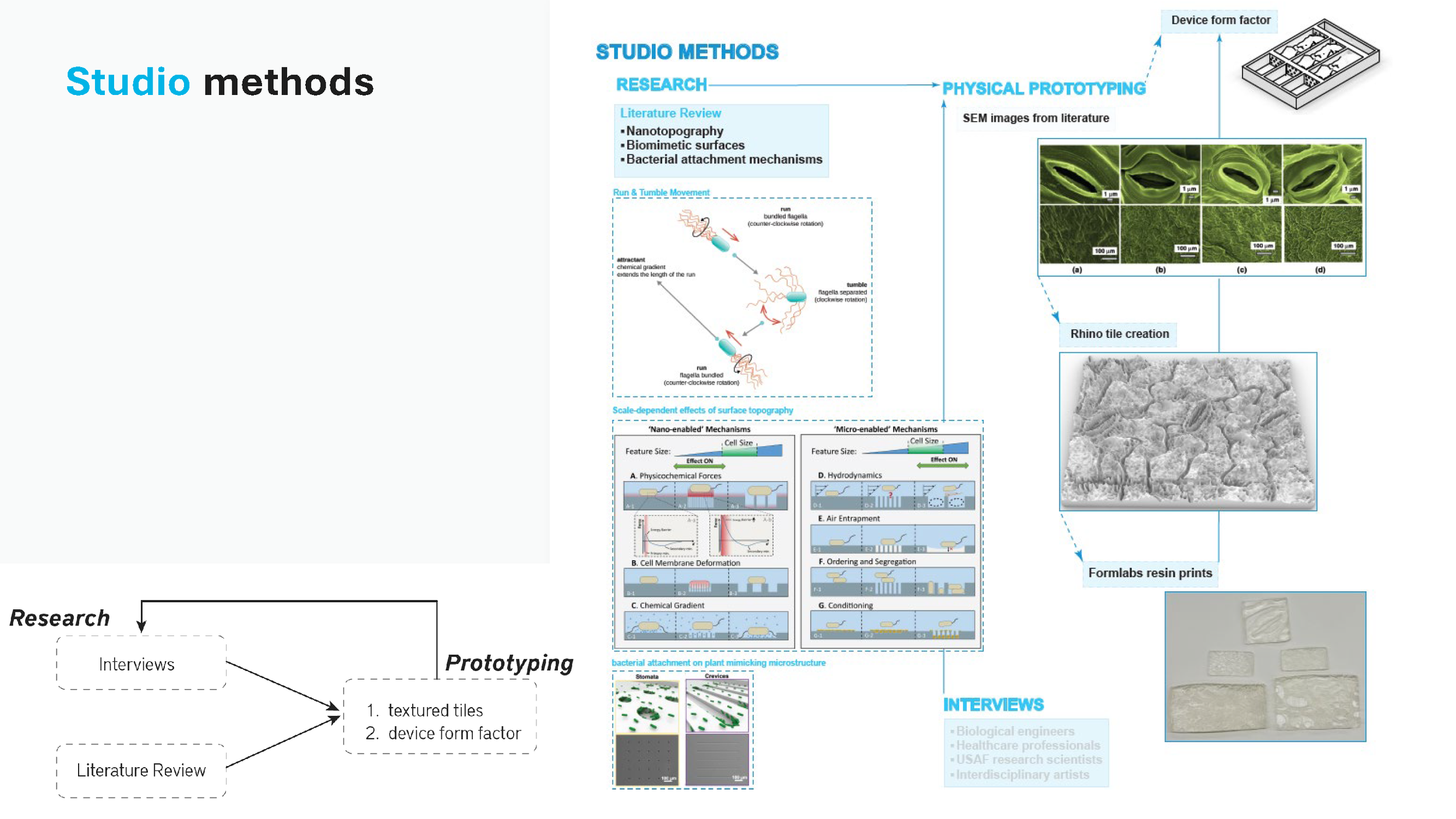
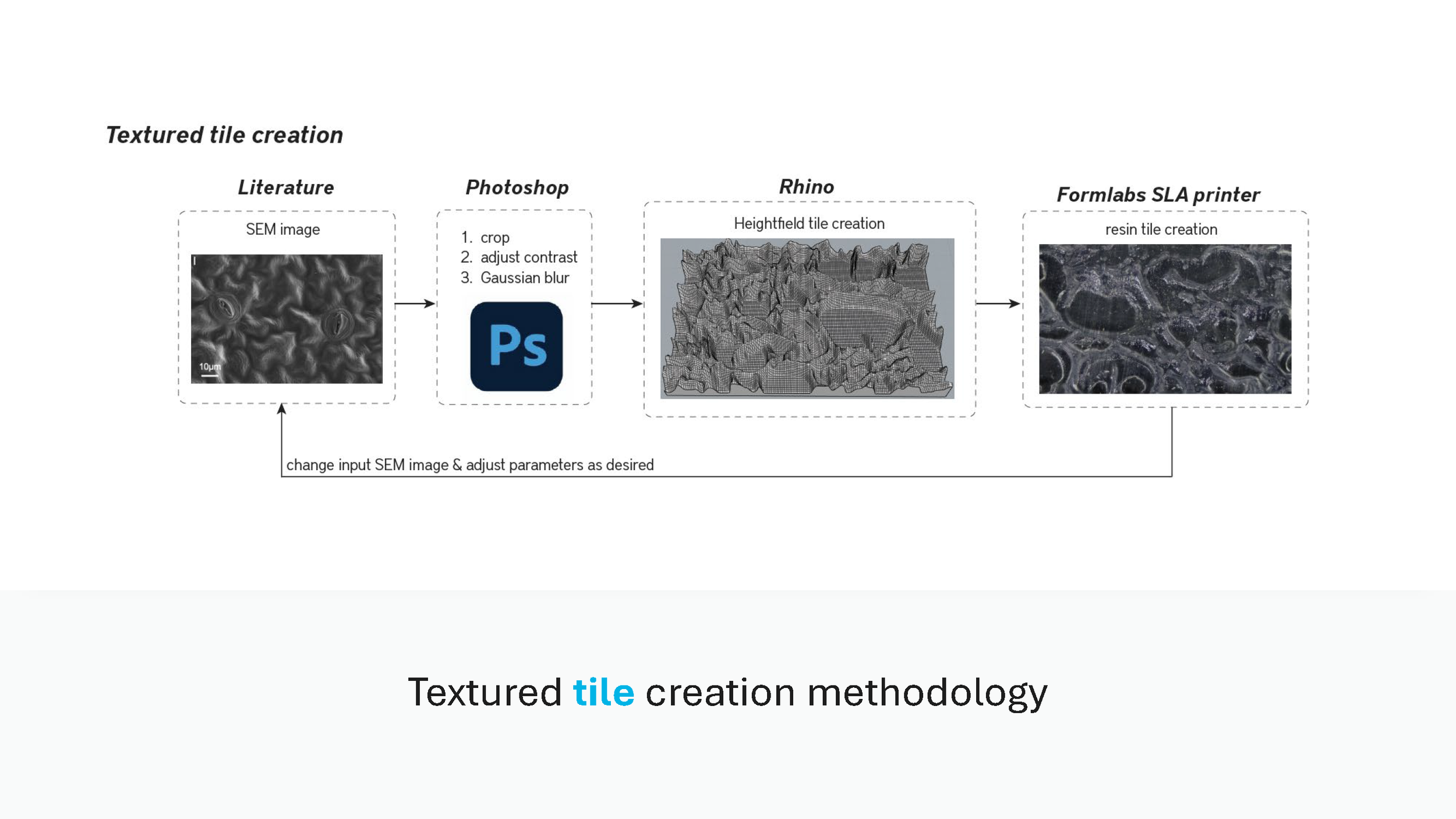
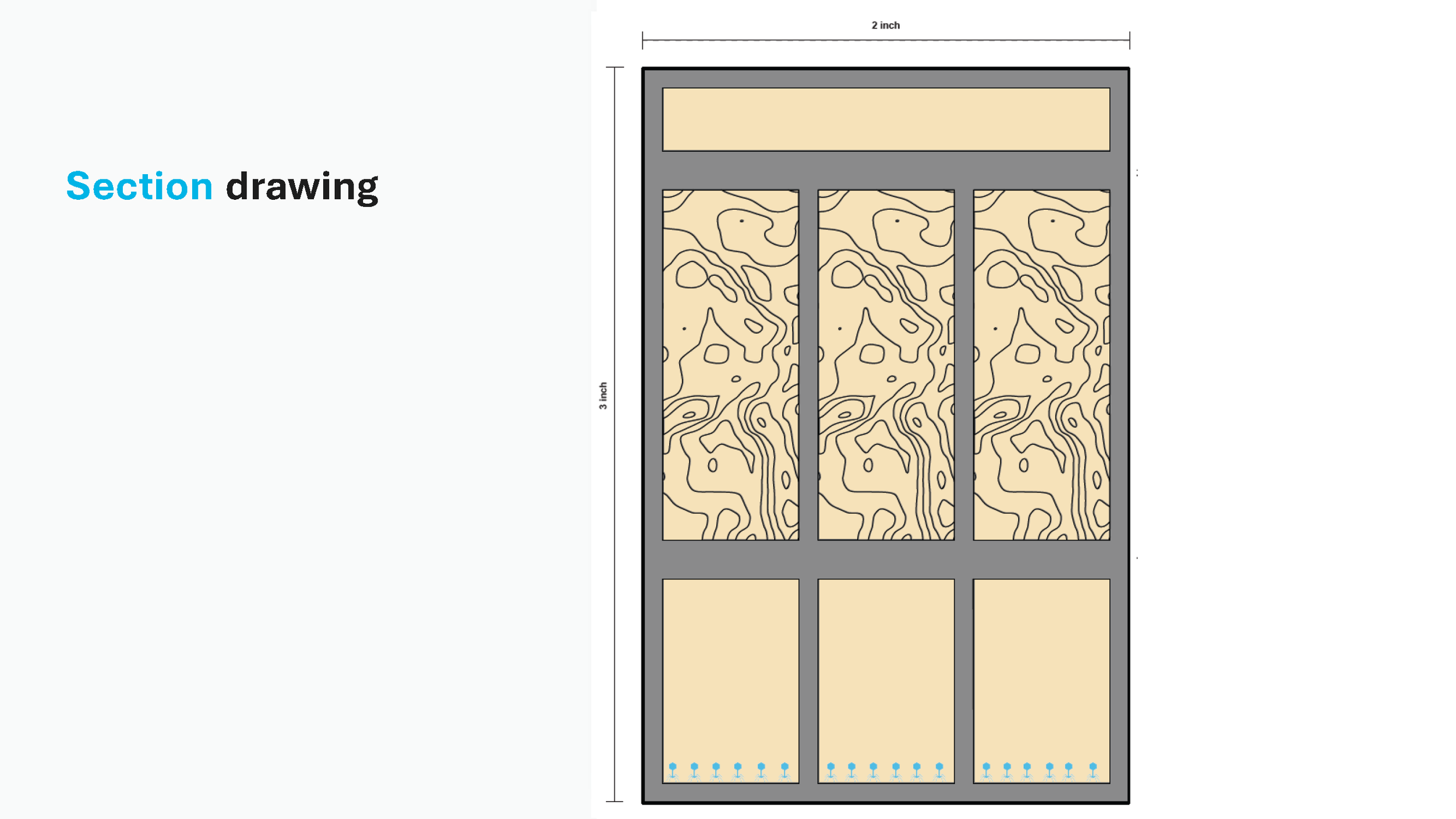
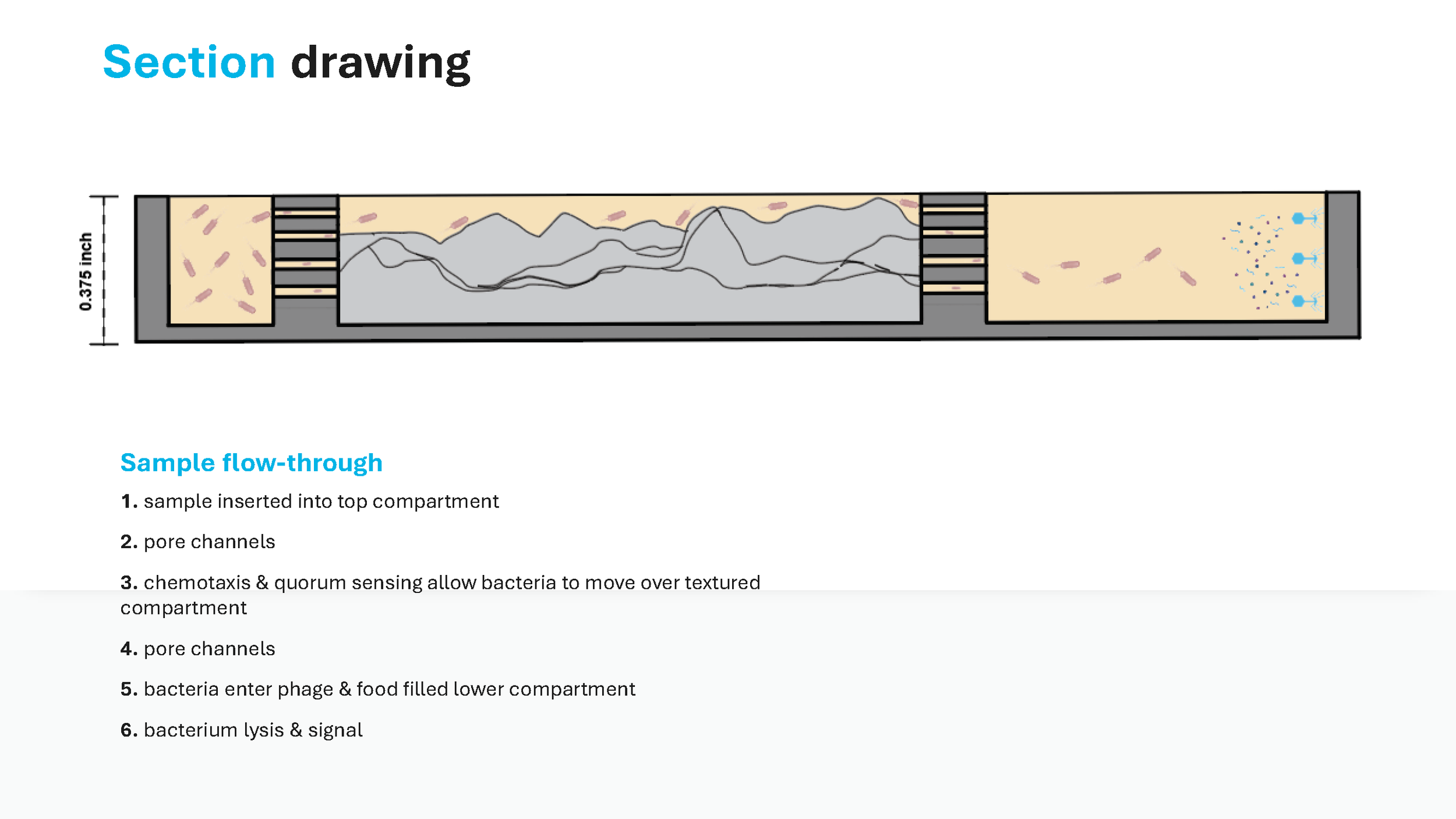
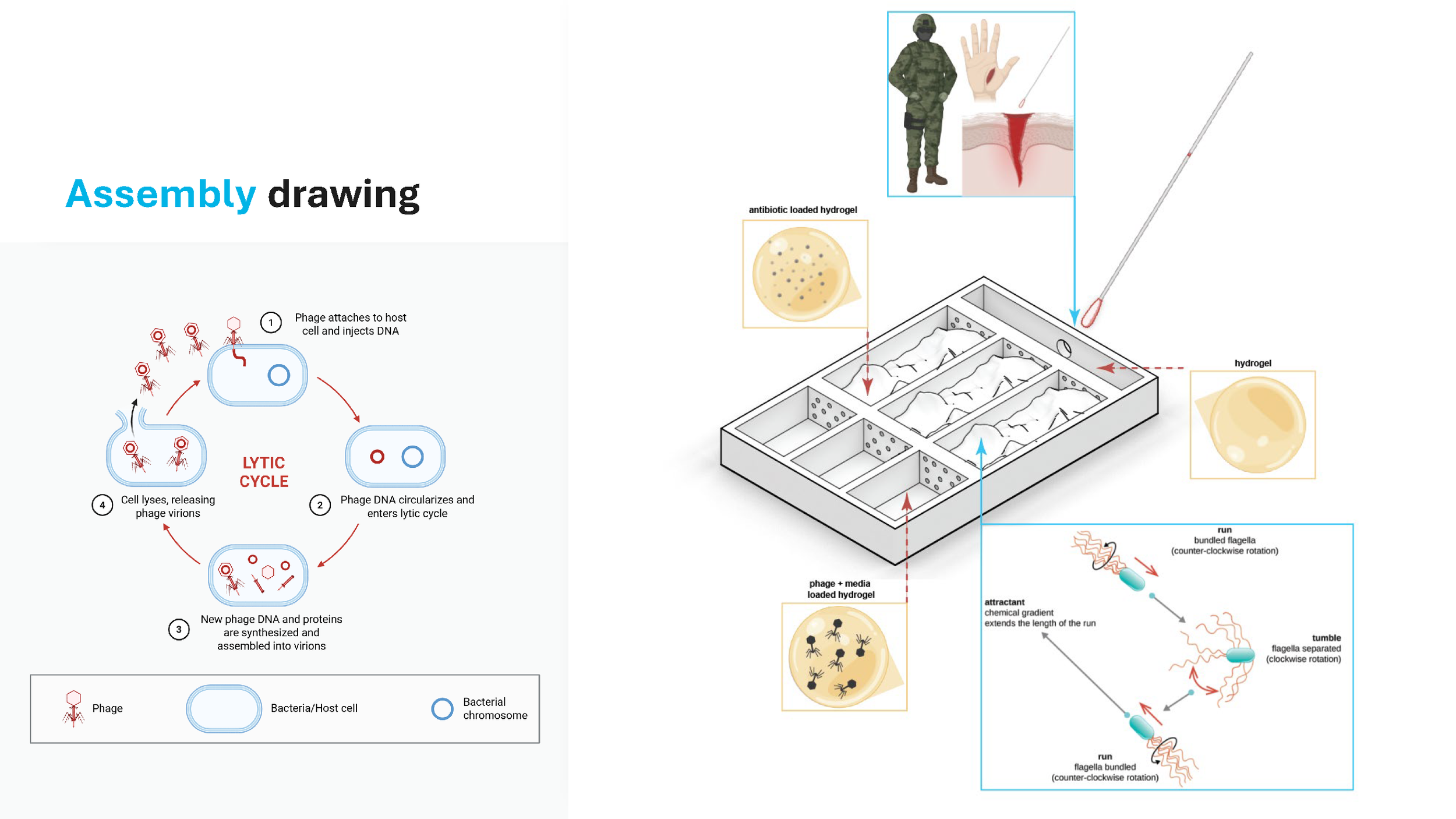
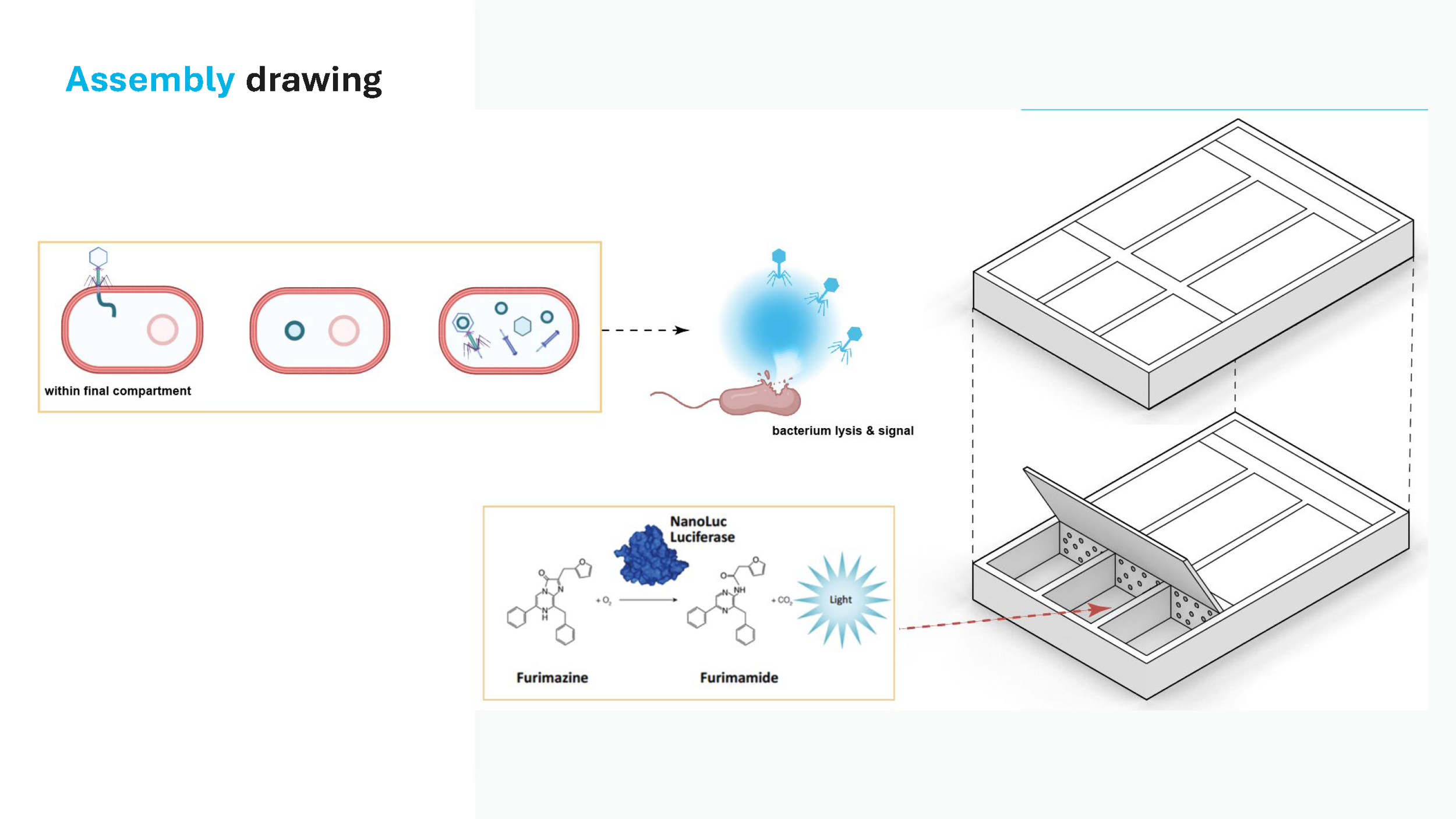
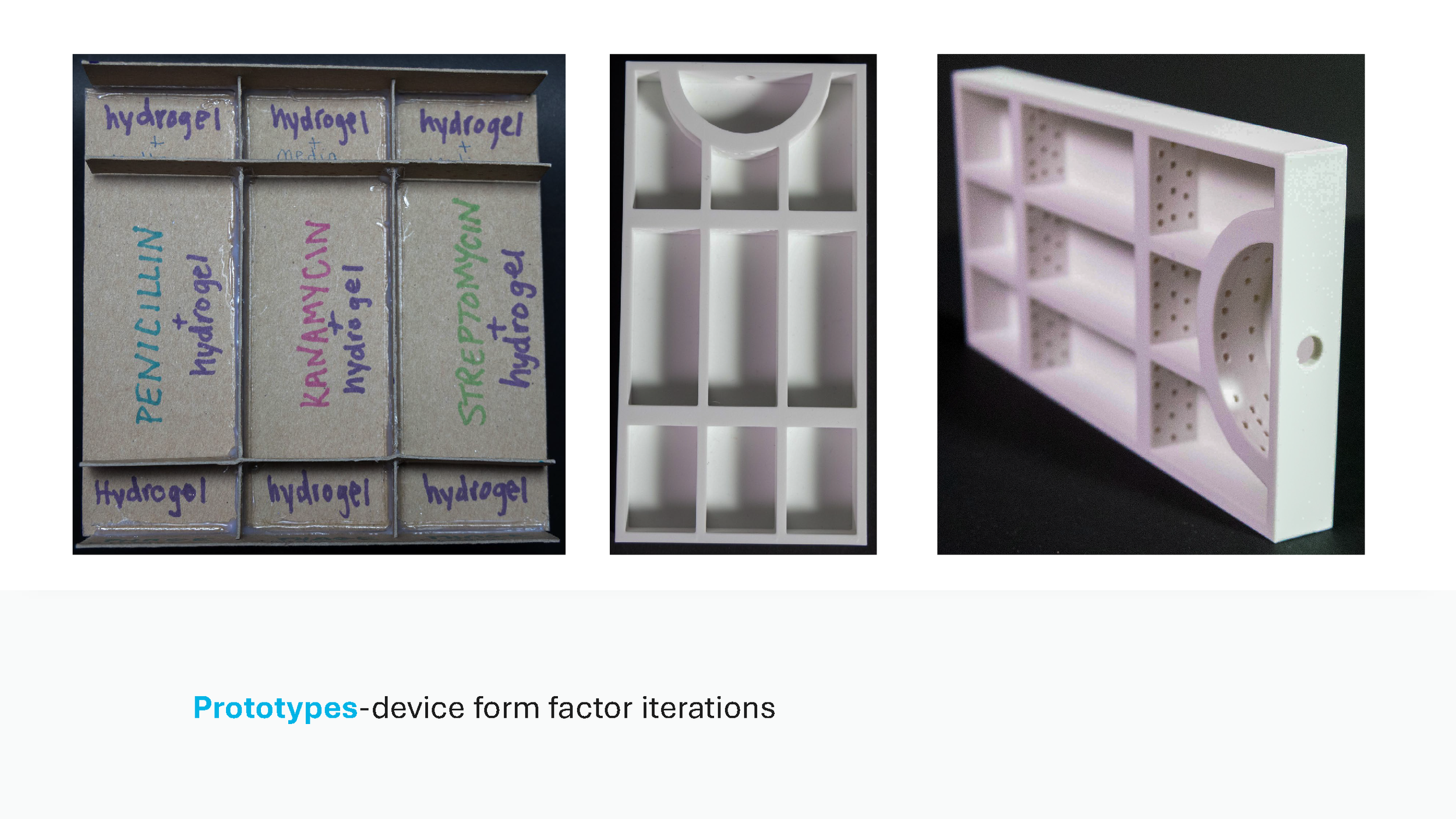
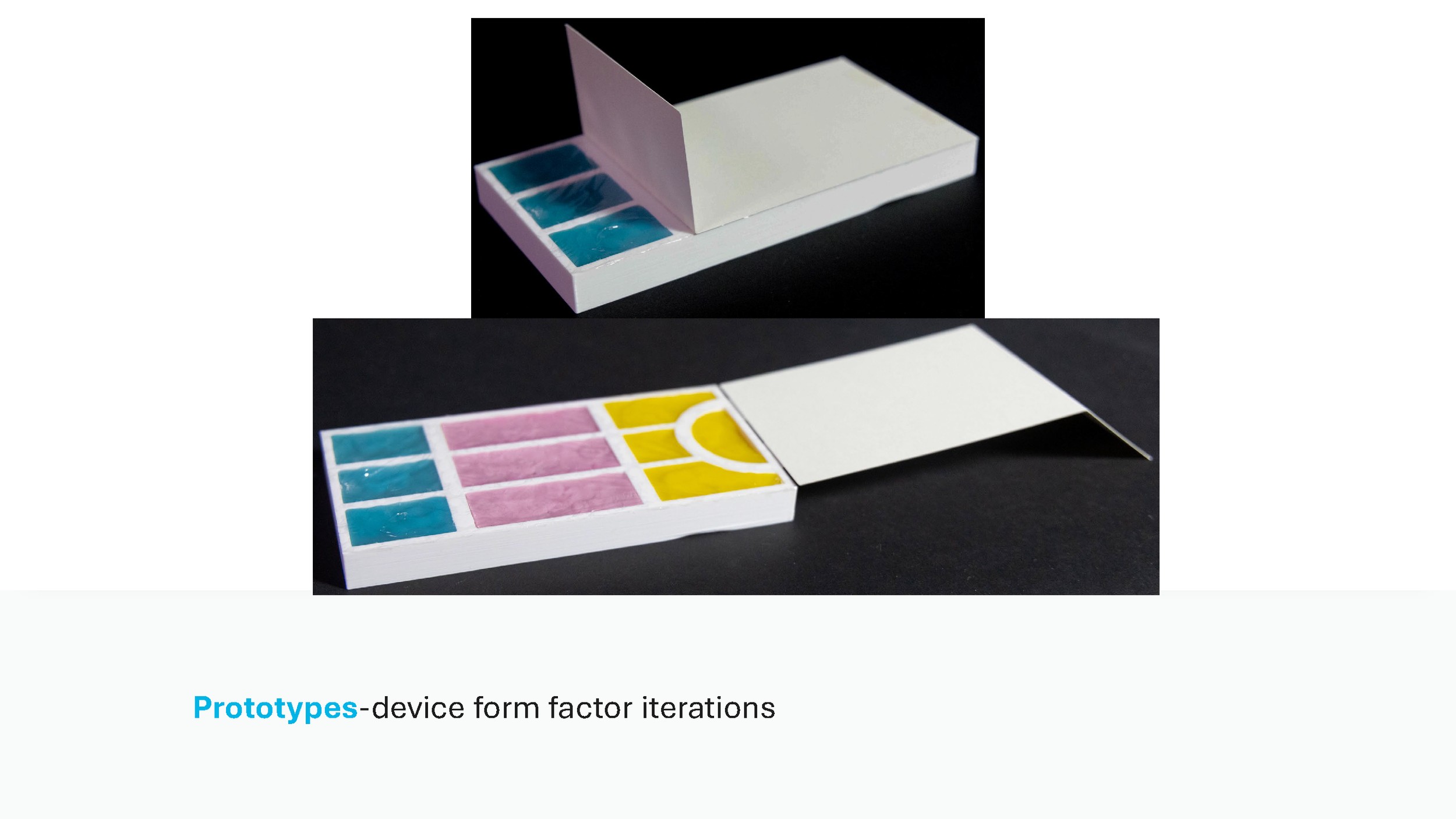
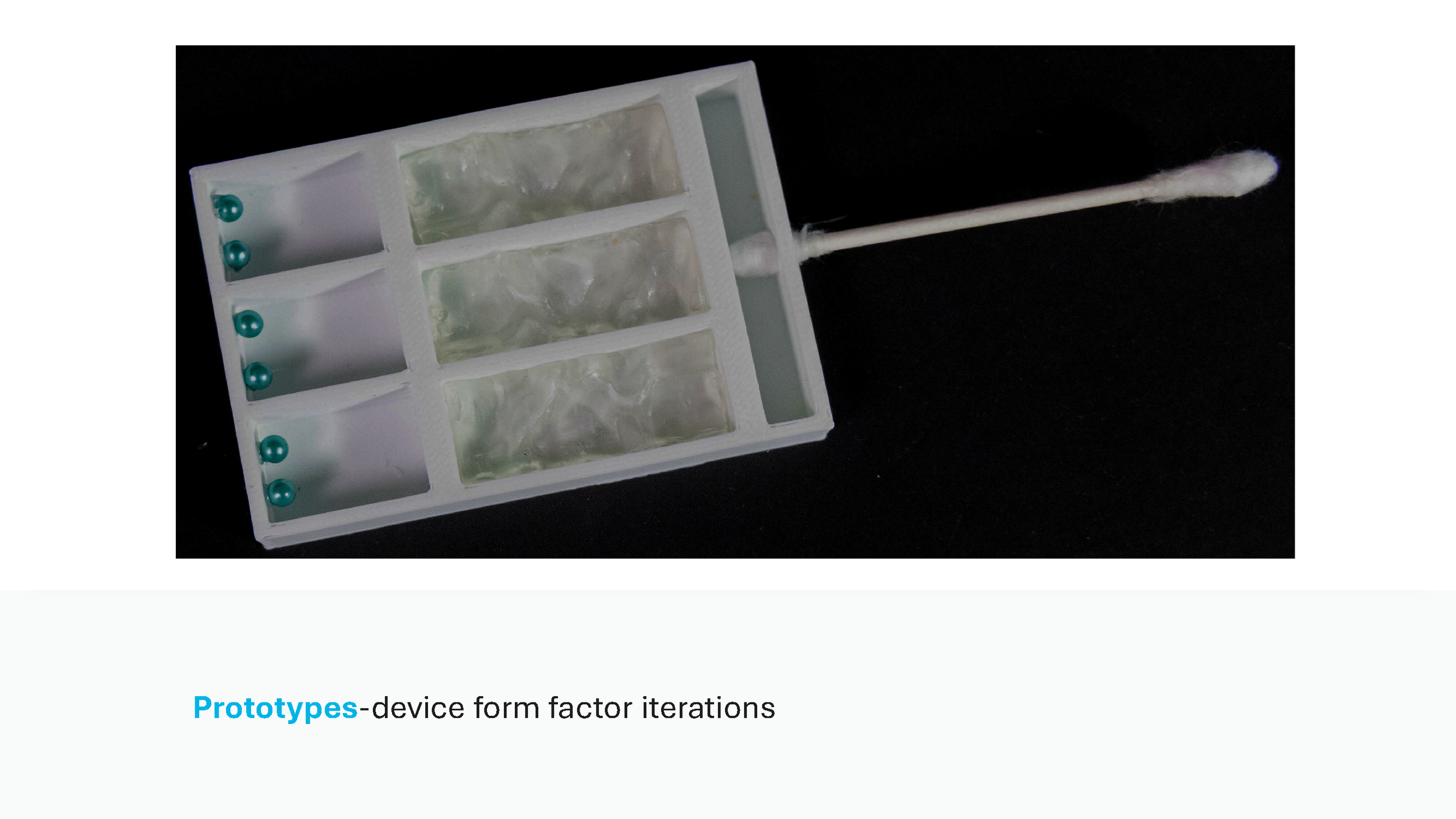
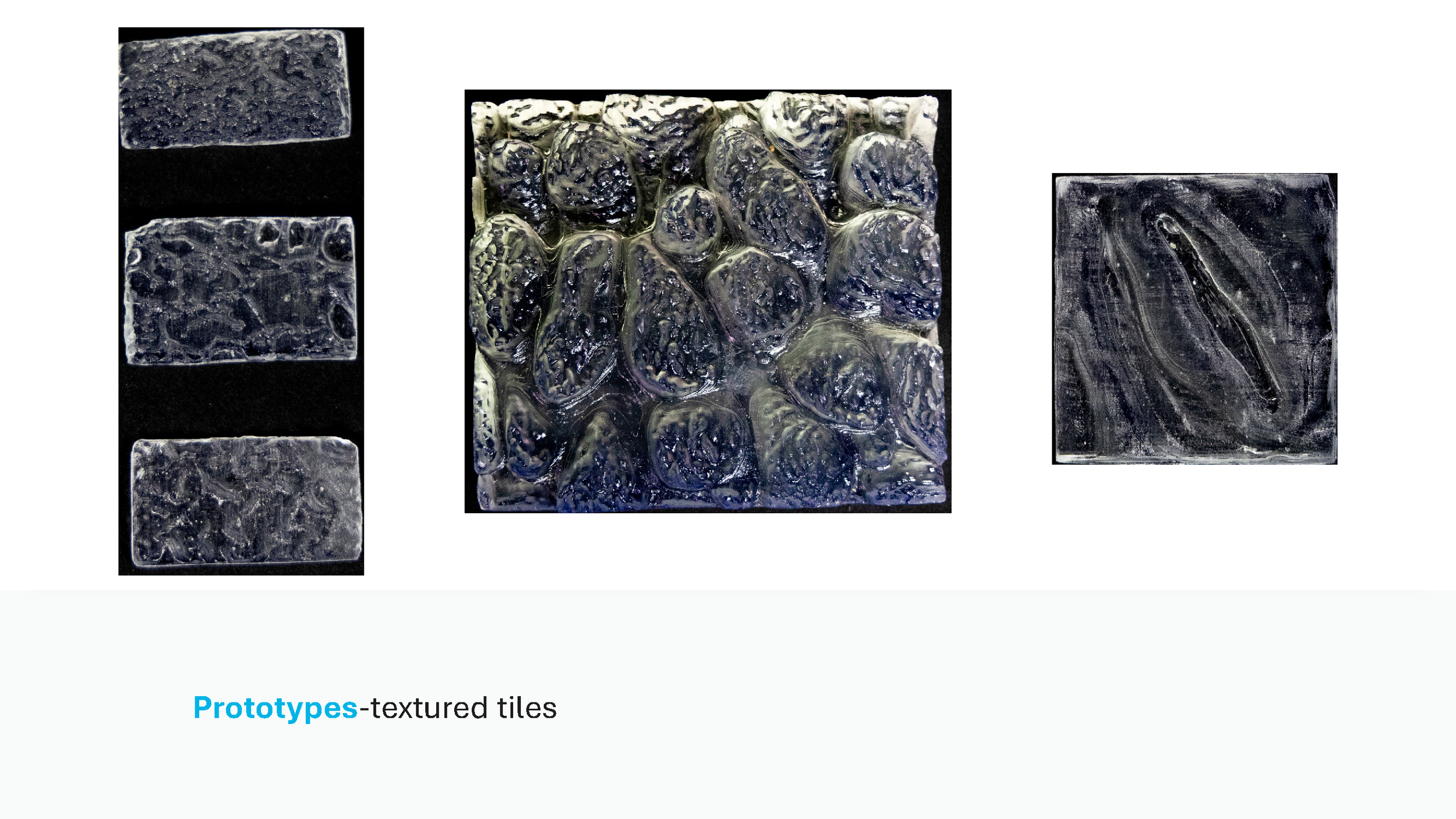
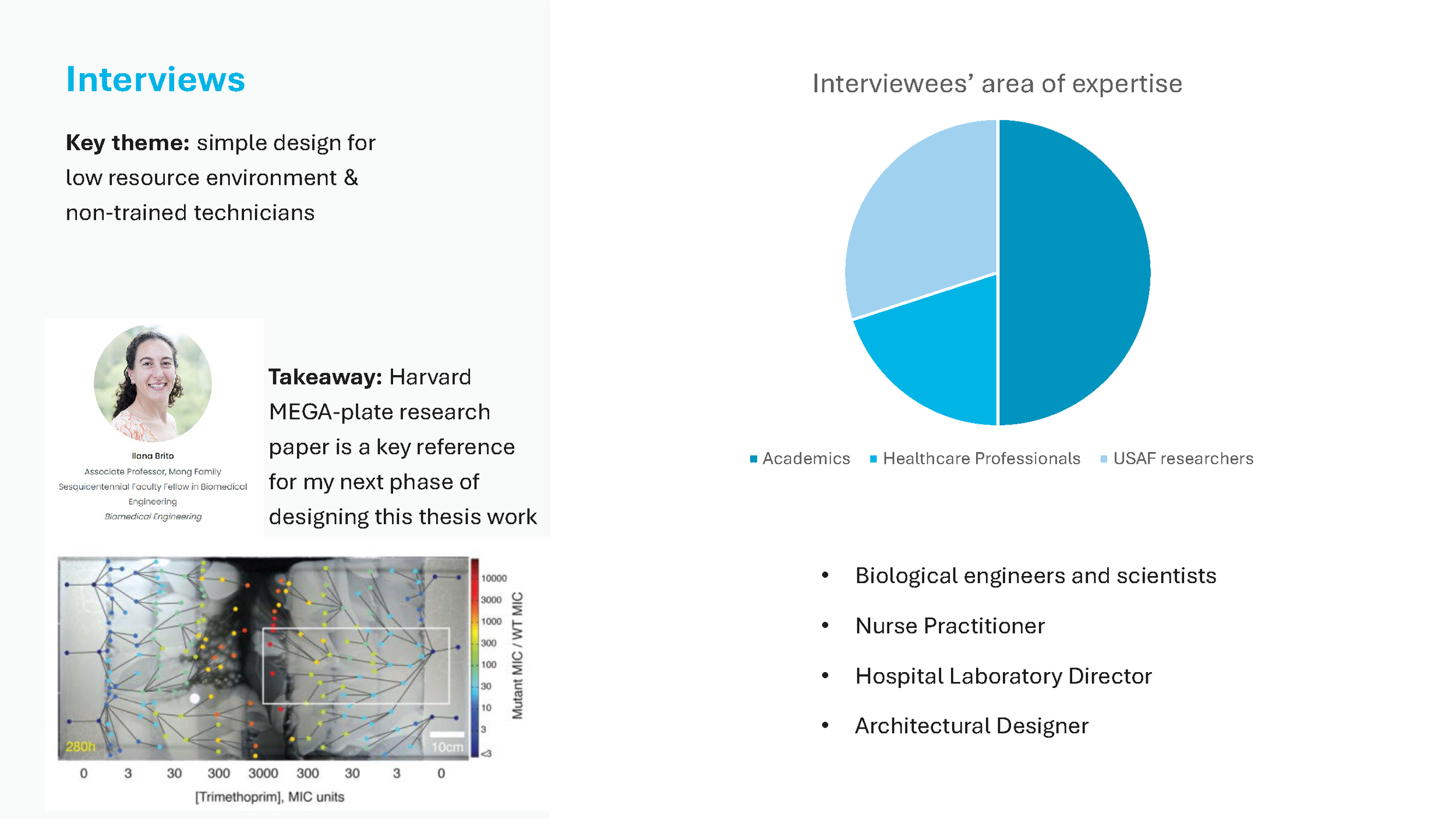
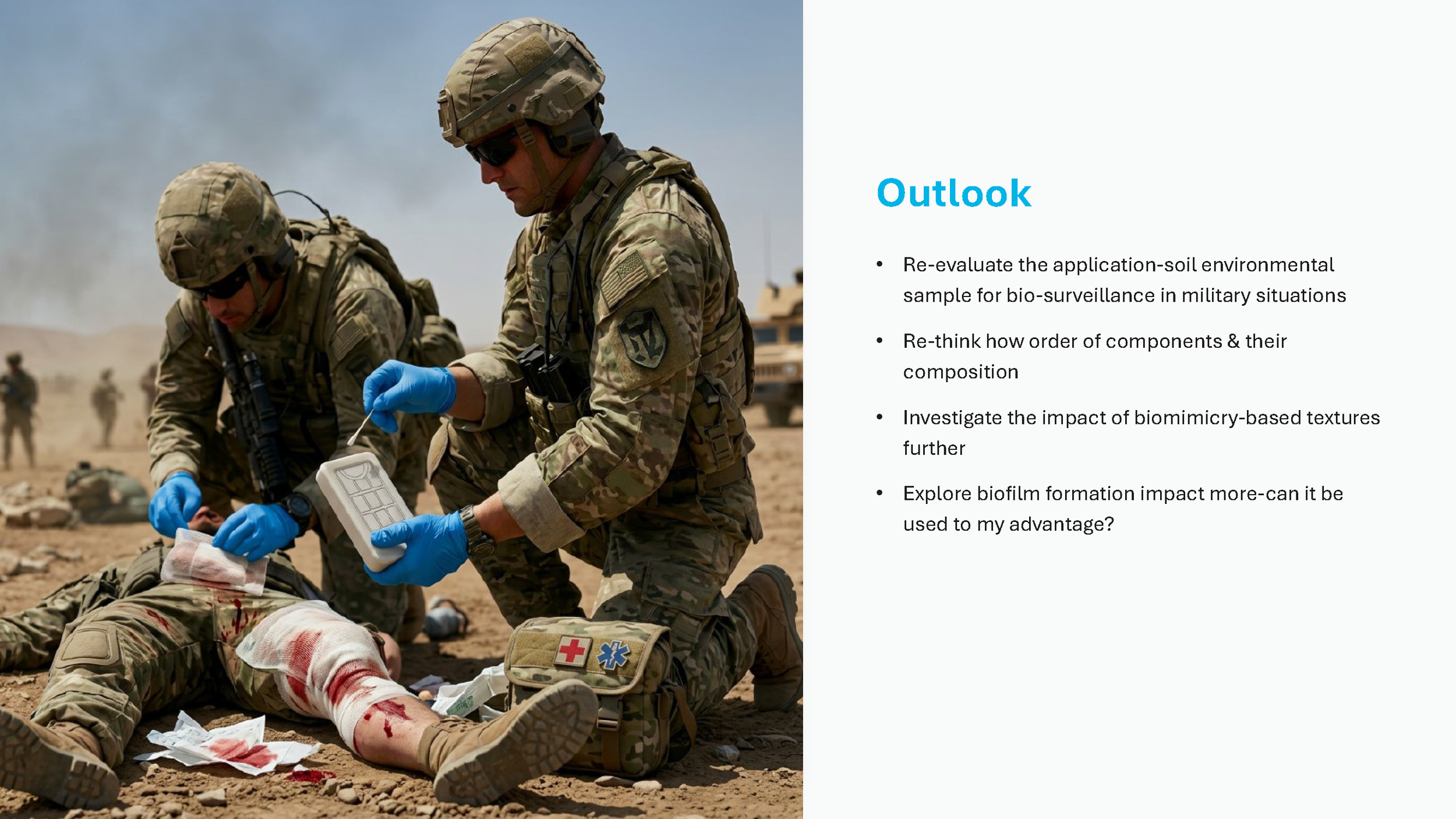
PhageMatter develops engineered ceramic biomaterial platforms that integrate bacteriophages and responsive hydrogels to detect antibiotic resistant infections from wound samples. By coupling material geometry with biological sensing, the project enables rapid, localized diagnostics that support informed treatment decisions, reduce antibiotic misuse, and improve infection surveillance across clinical and field settings.
Instructors 2026

Dr. Tiffany Cheng is a Taiwanese-American designer and builder whose work examines biobased materials and bioinspired structures for creating self-shaping systems that behave like plants. Tiffany is an Assistant Professor at Cornell University, where she directs the MULTIMESO Lab and develops nature-inspired systems across scales, from self-adjusting wearables for the body to self-regulating facades for buildings. Previously, Tiffany was Research Group Leader at the Institute for Computational Design and Construction (ICD) at the University of Stuttgart, where she led the Material Programming research group and earned her Doctorate in Engineering. Tiffany holds a Master in Design Studies (Technology) from Harvard University and a Bachelor of Architecture from the University of Southern California.
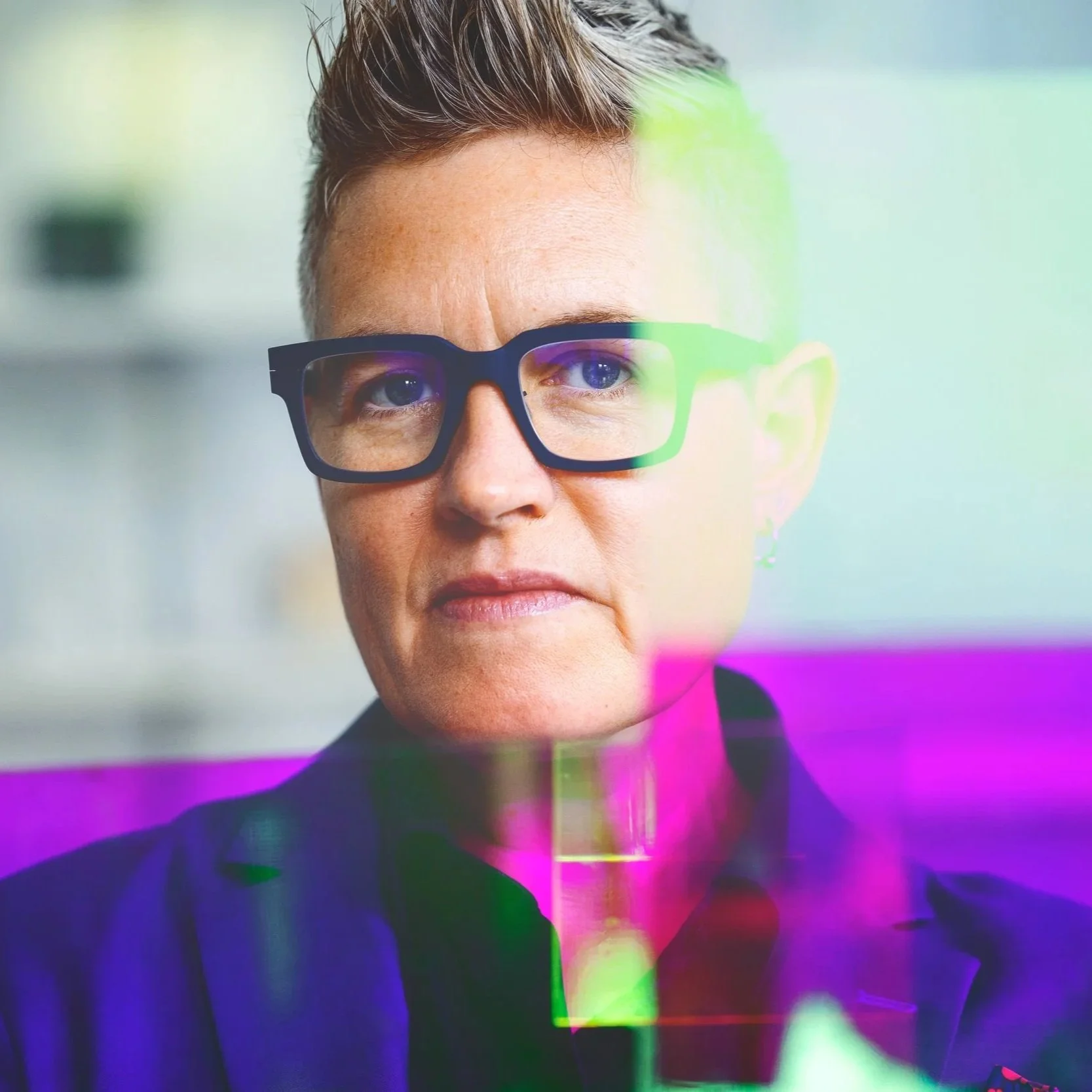
Jenny E. Sabin is an architectural designer whose work is at the forefront of a new direction for 21st century architectural practice — one that investigates the intersections of architecture and science and applies insights and theories from biology and mathematics to the design of responsive material structures and spatial interventions for diverse audiences. Sabin is the Arthur L. and Isabel B. Wiesenberger Professor in Architecture and the inaugural Chair for the new multicollege Department of Design Tech at the Cornell College of Architecture, Art, and Planning where she co-established a new advanced research degree in Design Technology. She is principal of Jenny Sabin Studio, an experimental architectural design studio based in Ithaca and Director of the Sabin Lab at Cornell AAP. Sabin served on the ACADIA Board of Directors and later as President and Vice President. Her book, LabStudio: Design Research Between Architecture and Biology, co-authored with Peter Lloyd Jones was published in July 2017. In that same year, Sabin won MoMA & MoMA PS1’s Young Architects Program with her submission, Lumen.

Meredith Silberstein received her Ph.D. in June 2011 from the MIT Department of Mechanical Engineering with a major in solid mechanics and a minor in energy. Afterward, she served as a postdoctoral fellow at the Beckman Institute at the University of Illinois Urbana-Champaign, investigating mechanochemically active materials. Meredith is co-director of the Engineered Living Materials Institute (ELMI) at Cornell. The ELMI is a collaborative hub for basic science, technology development, and education related to materials built of and/or by engineered, non-mammalian, living organisms. We aim to revolutionize technology for society through reimagined large-scale infrastructure and human-scale products; while at the same time enabling society’s expansion through off-world exploration and habitation made possible with materials and structures that are grown from renewable resources, rather than manufactured.