HKU University of the Arts Utrecht

PROJECTS 2026
Shifting Knots | The Kromme Rijn
FINALIST PROJECT
Bronze Medal Recognition for Narrative
Noa Schout, Britt Veltman
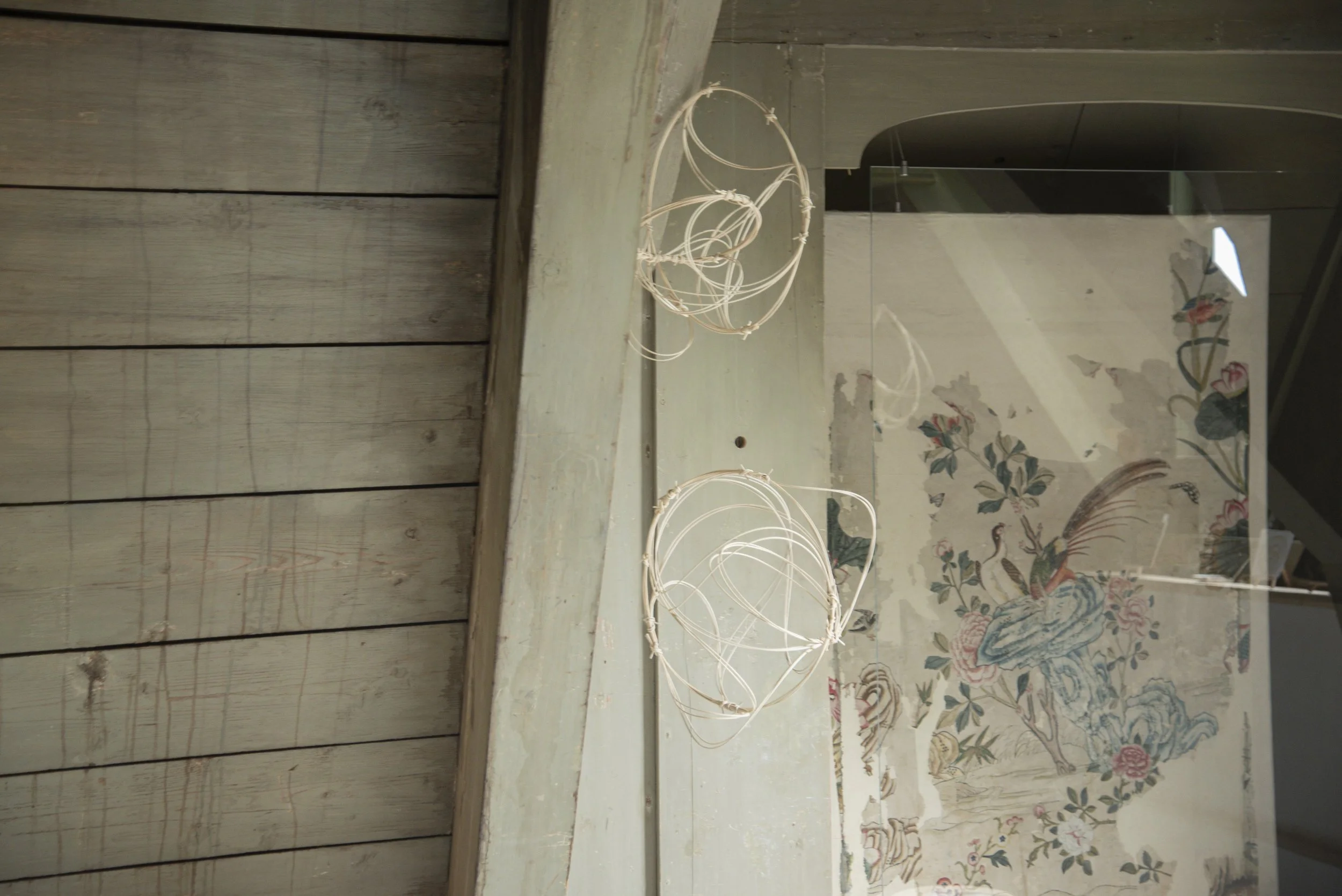
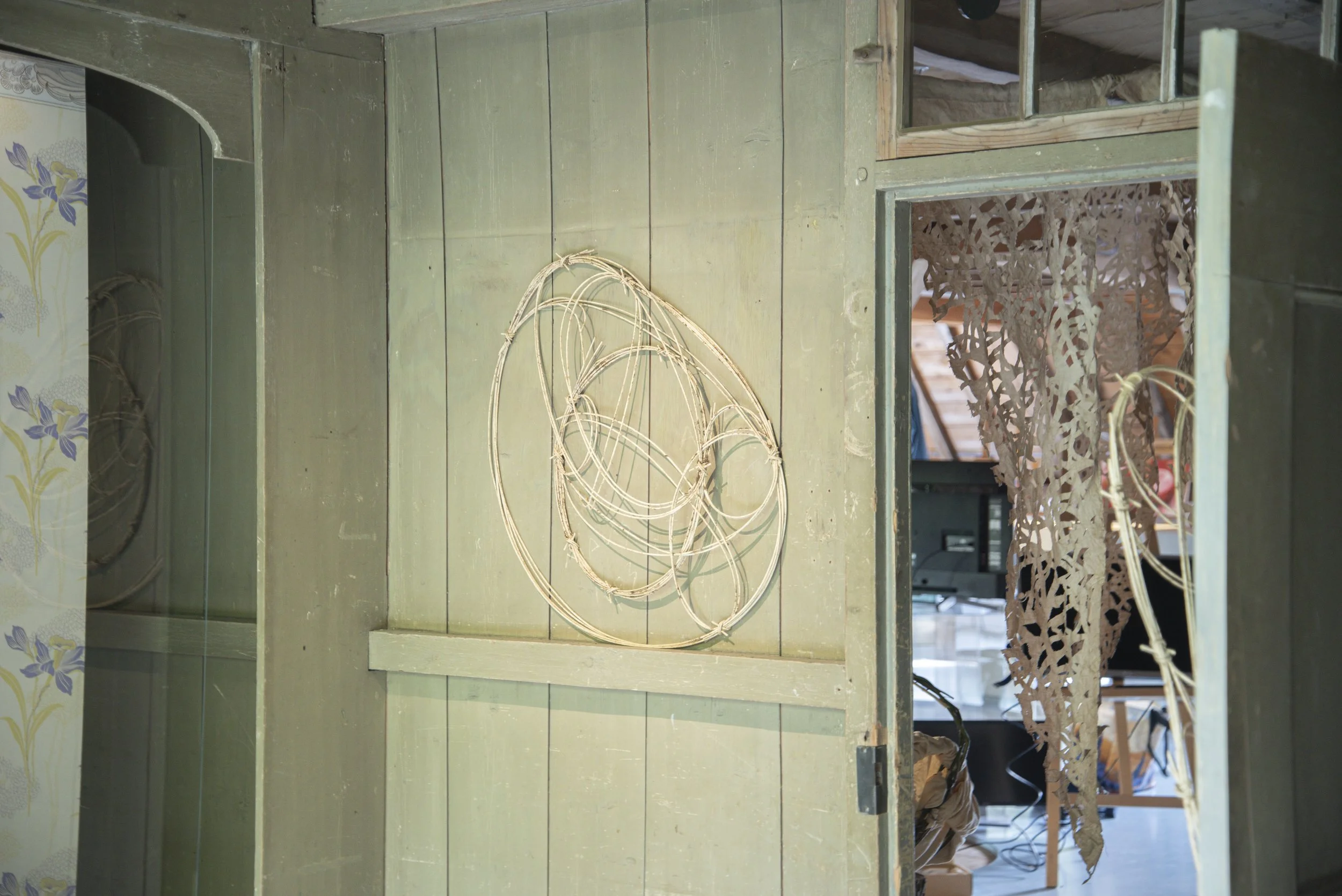
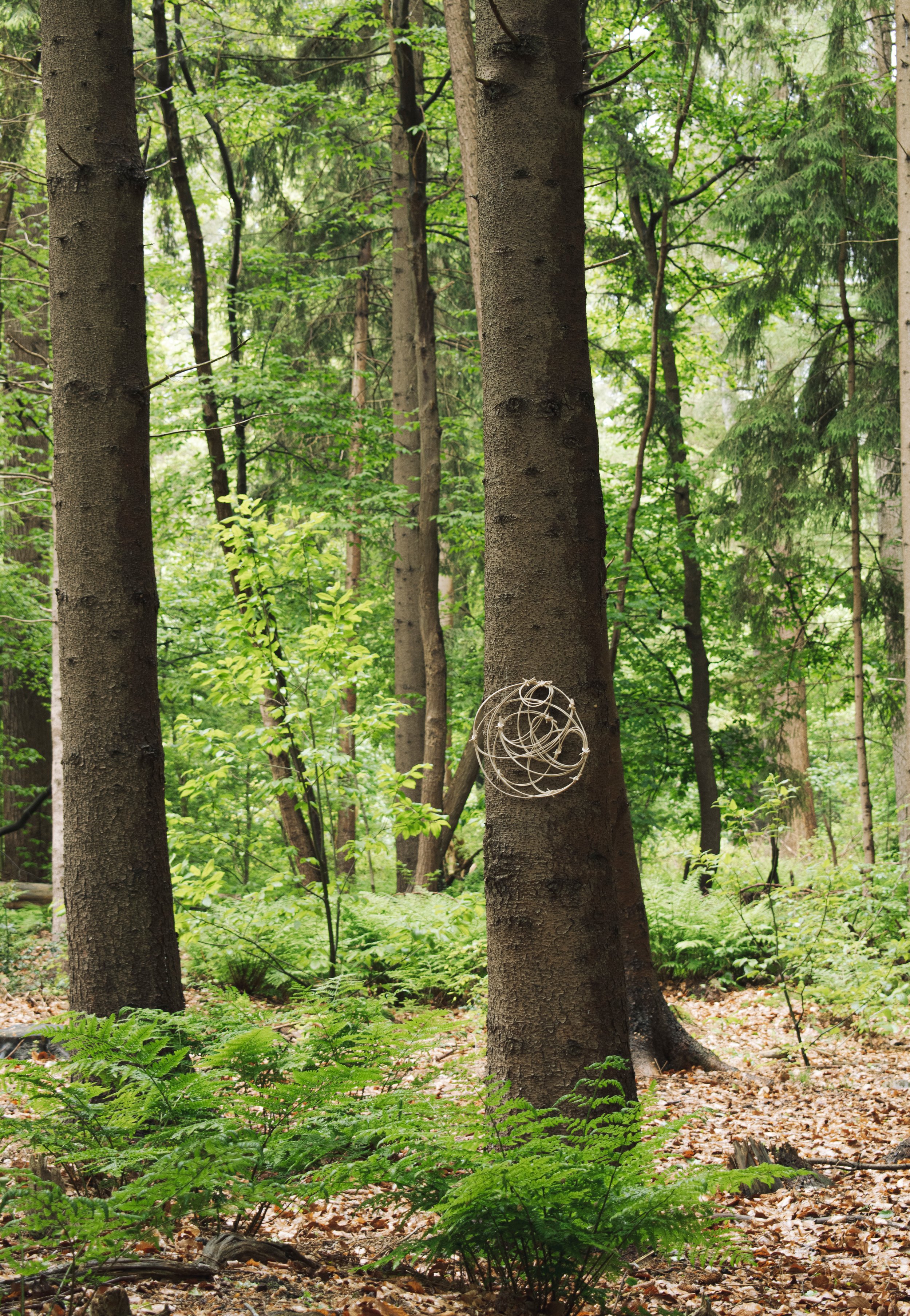
Our relationship with a landscape is often non-linguistic. Memories, sensory perceptions and experiences shape the way we relate to a place. Using local reed, Shifting Knots draws attention to the Kromme Rijn and its connecting streams, exploring the relationships between people and their environment. The work presents traces of a collective interaction along the river. By intertwining stories, knowledge, and desires, it gives voice to the river itself and invites new ways of seeing and engaging with the landscape. Shaped by everyone who contributes, each action leaves a trace within a larger collective whole. In this way, Shifting Knots continues to move, connect, and reshape itself.
Raw Willow
Nonfinalist Project
Jip Dwarshuis
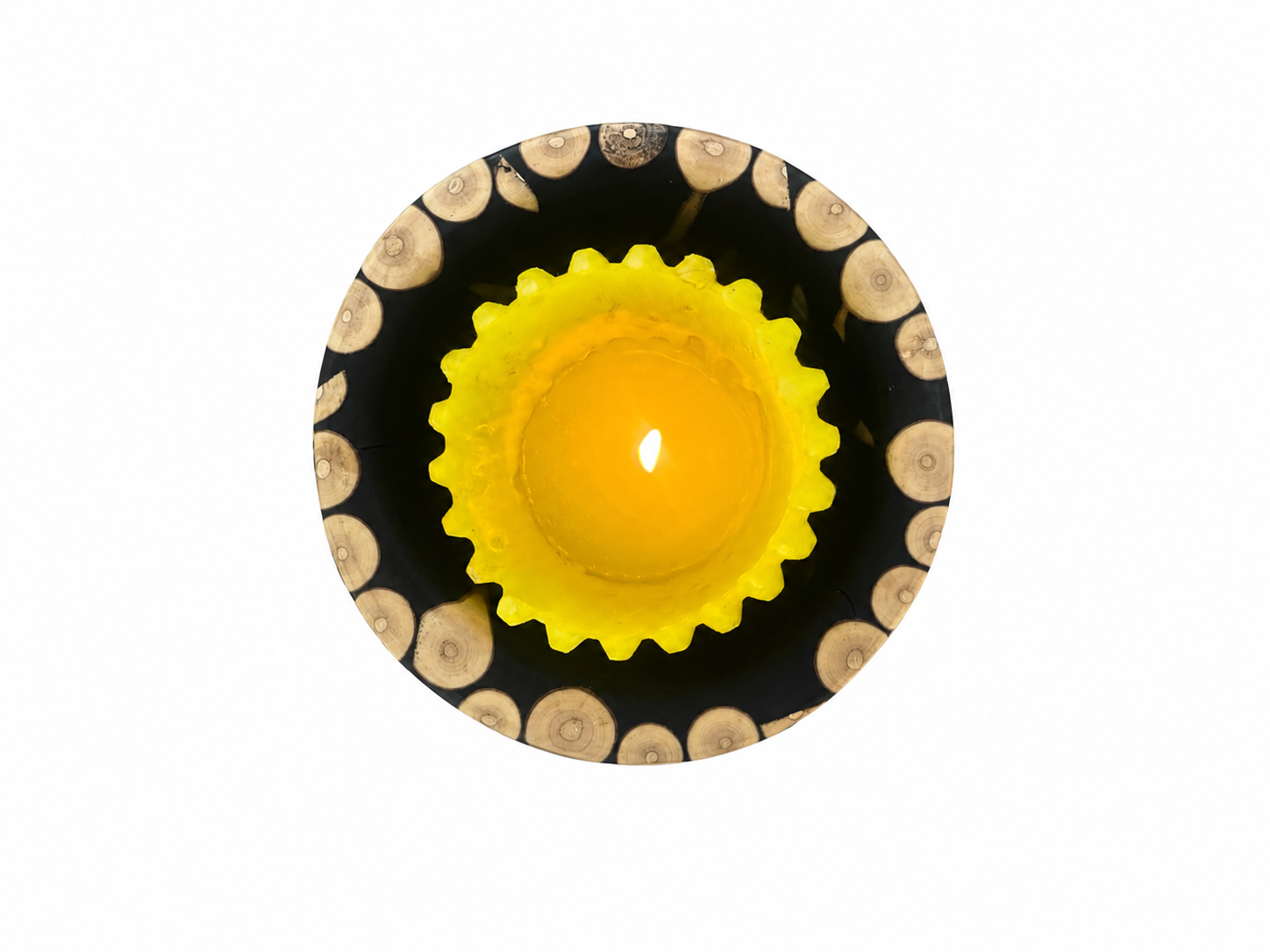
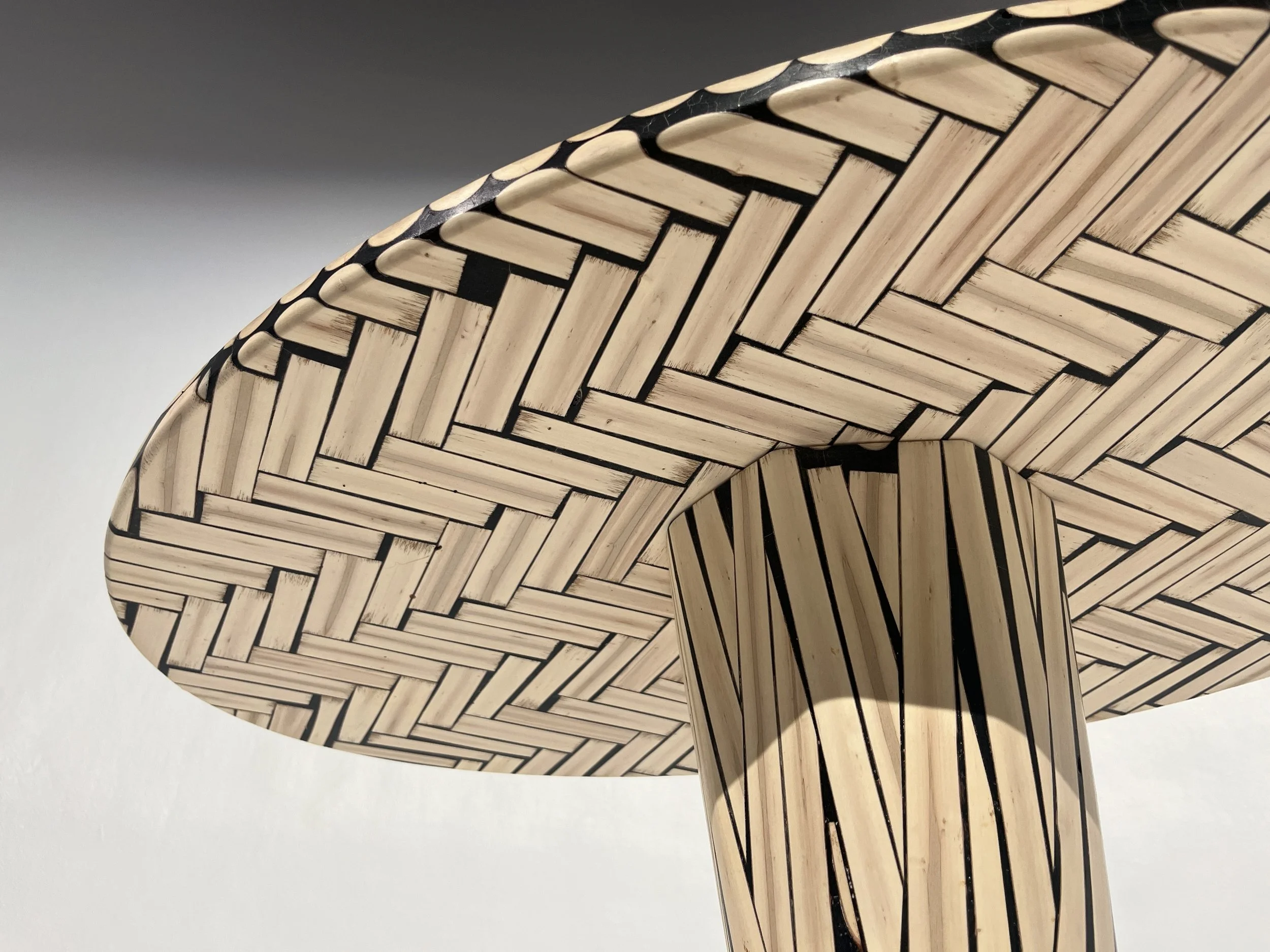
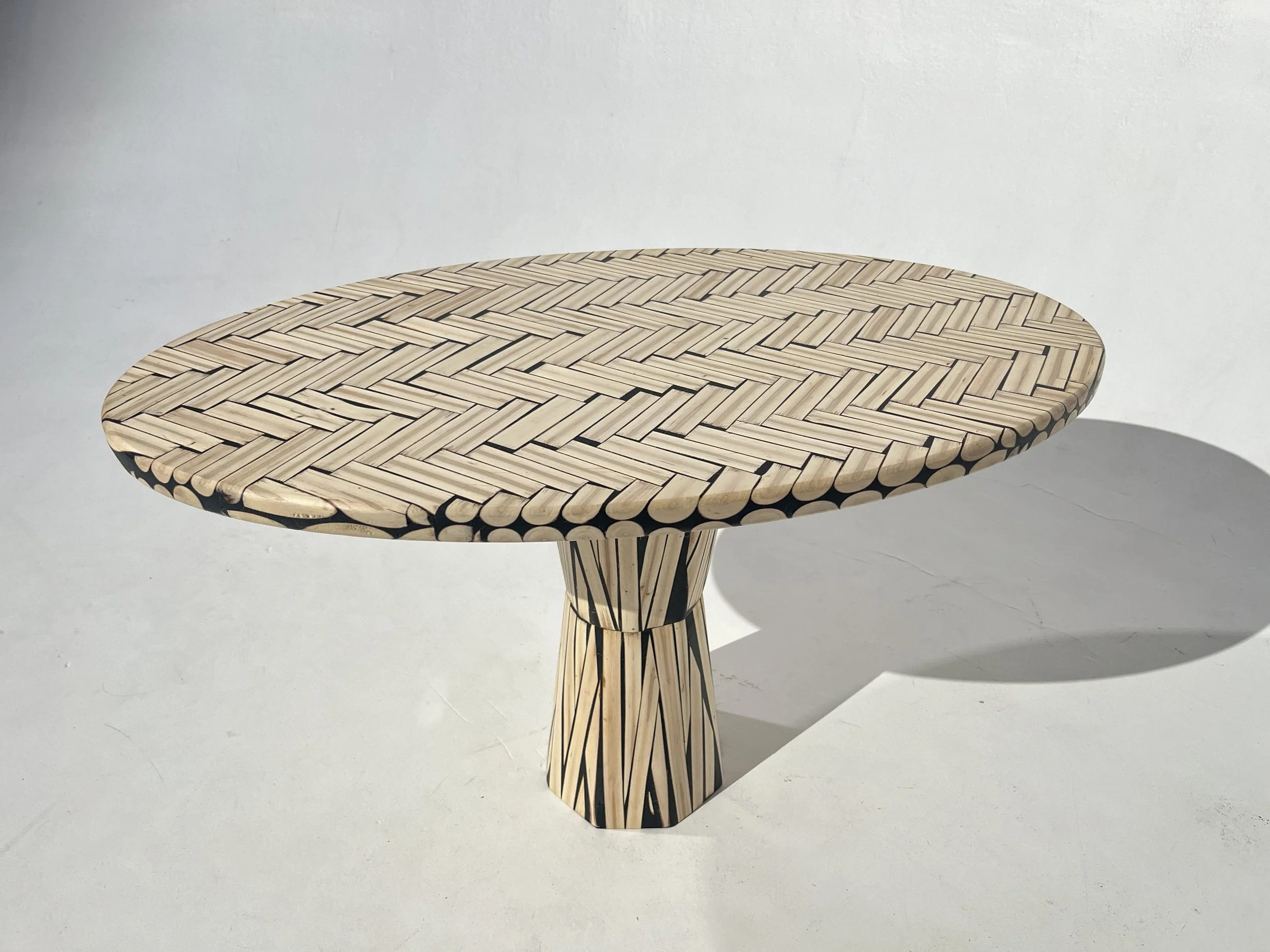
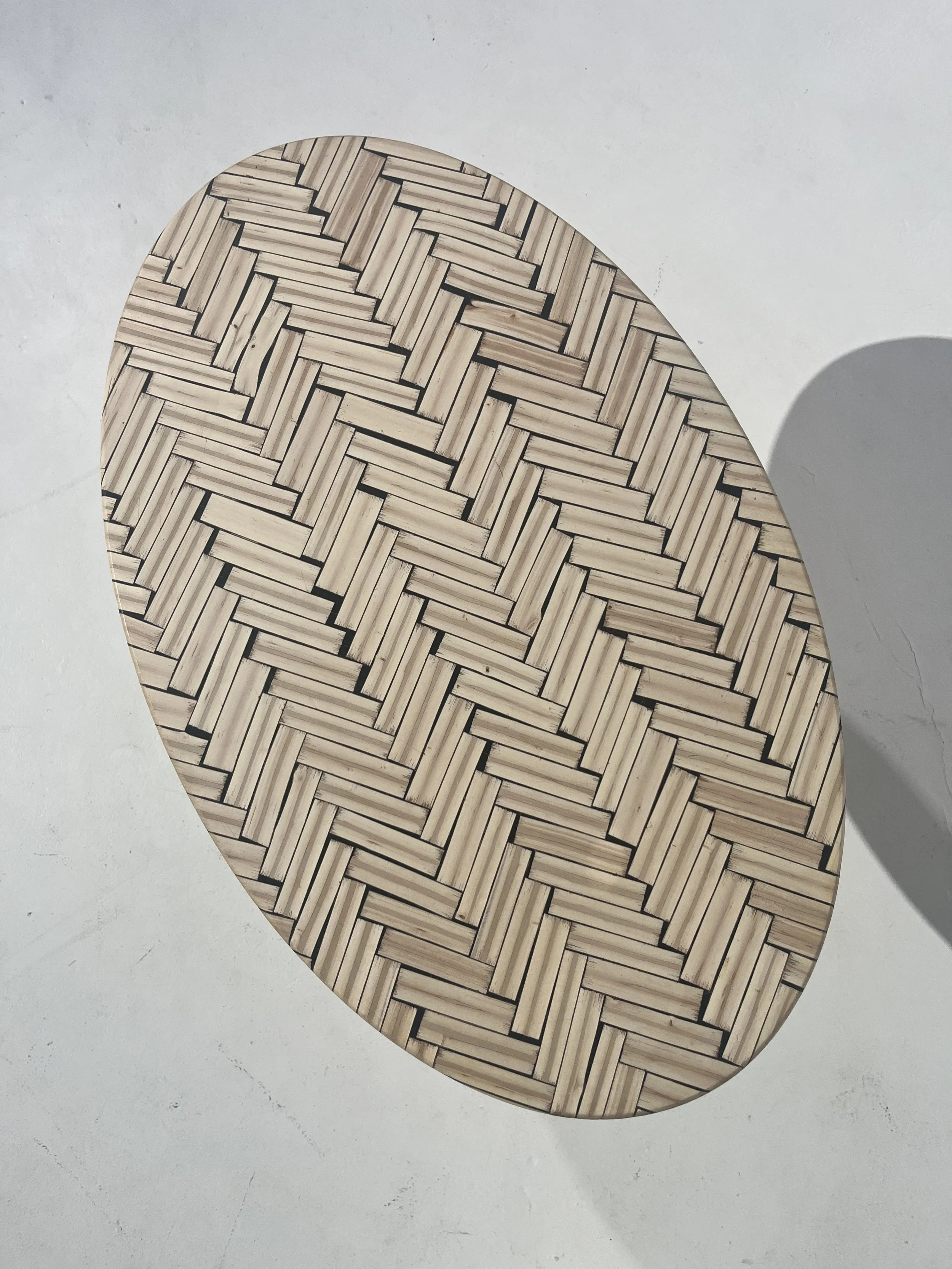
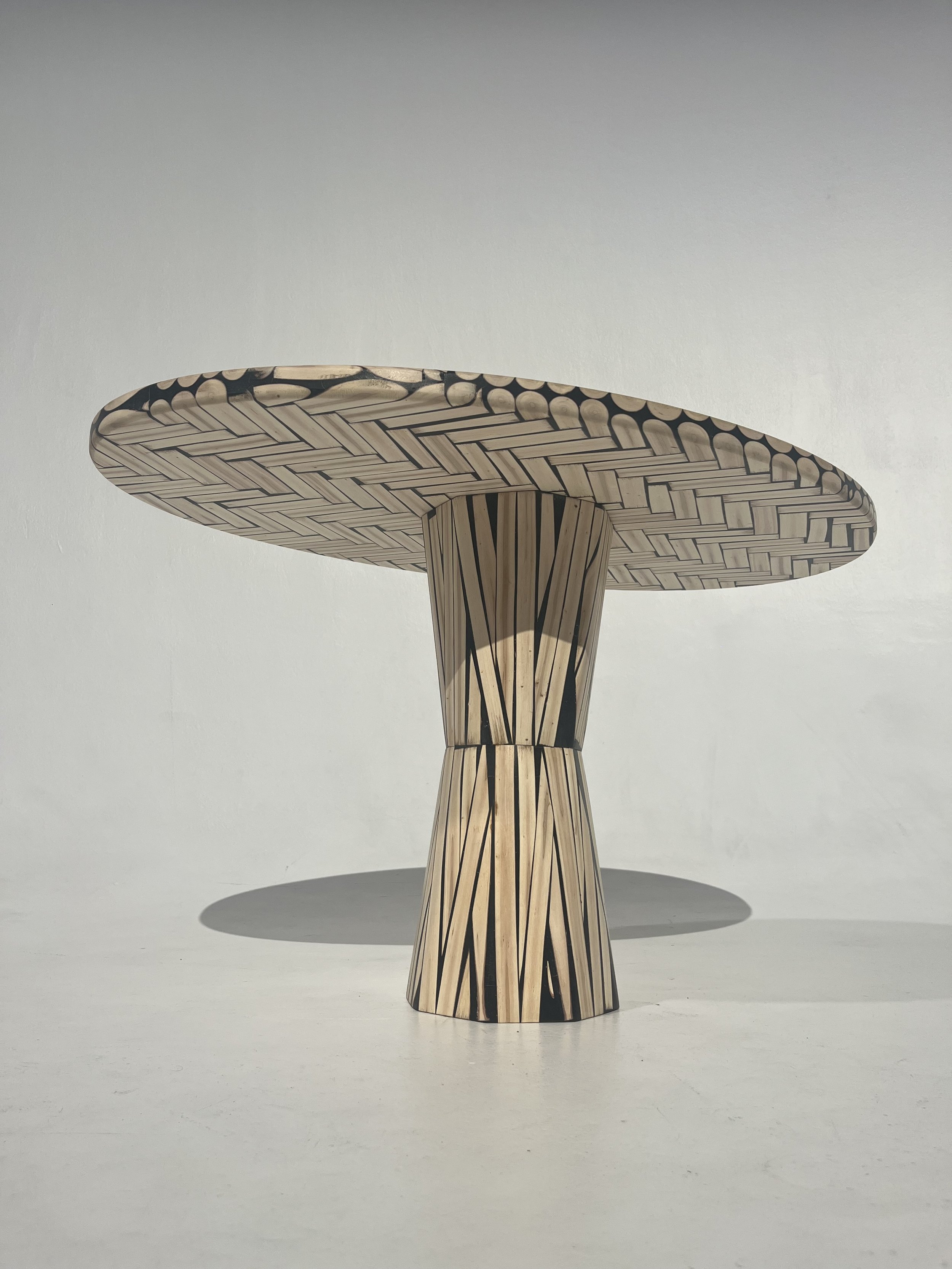
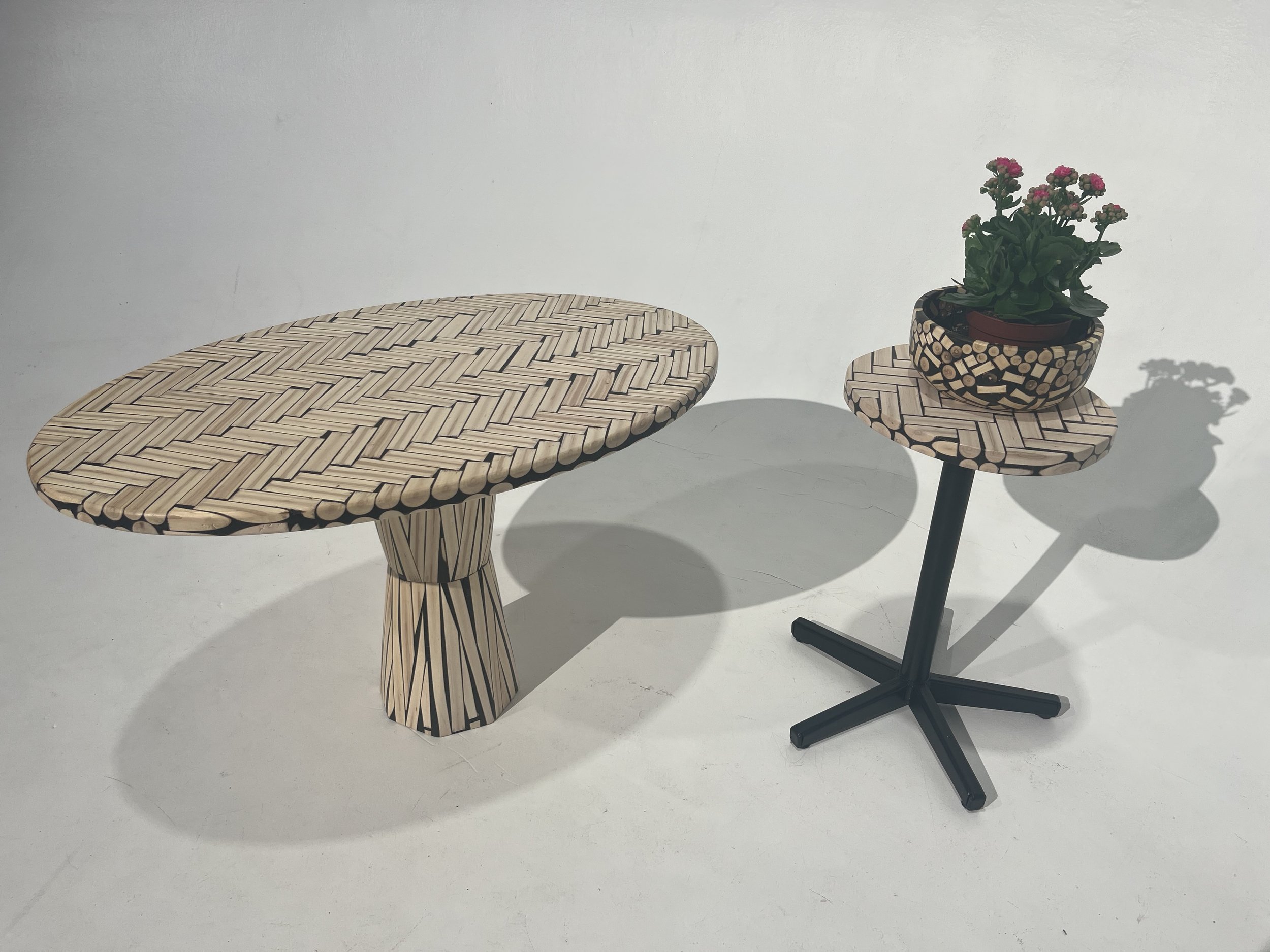
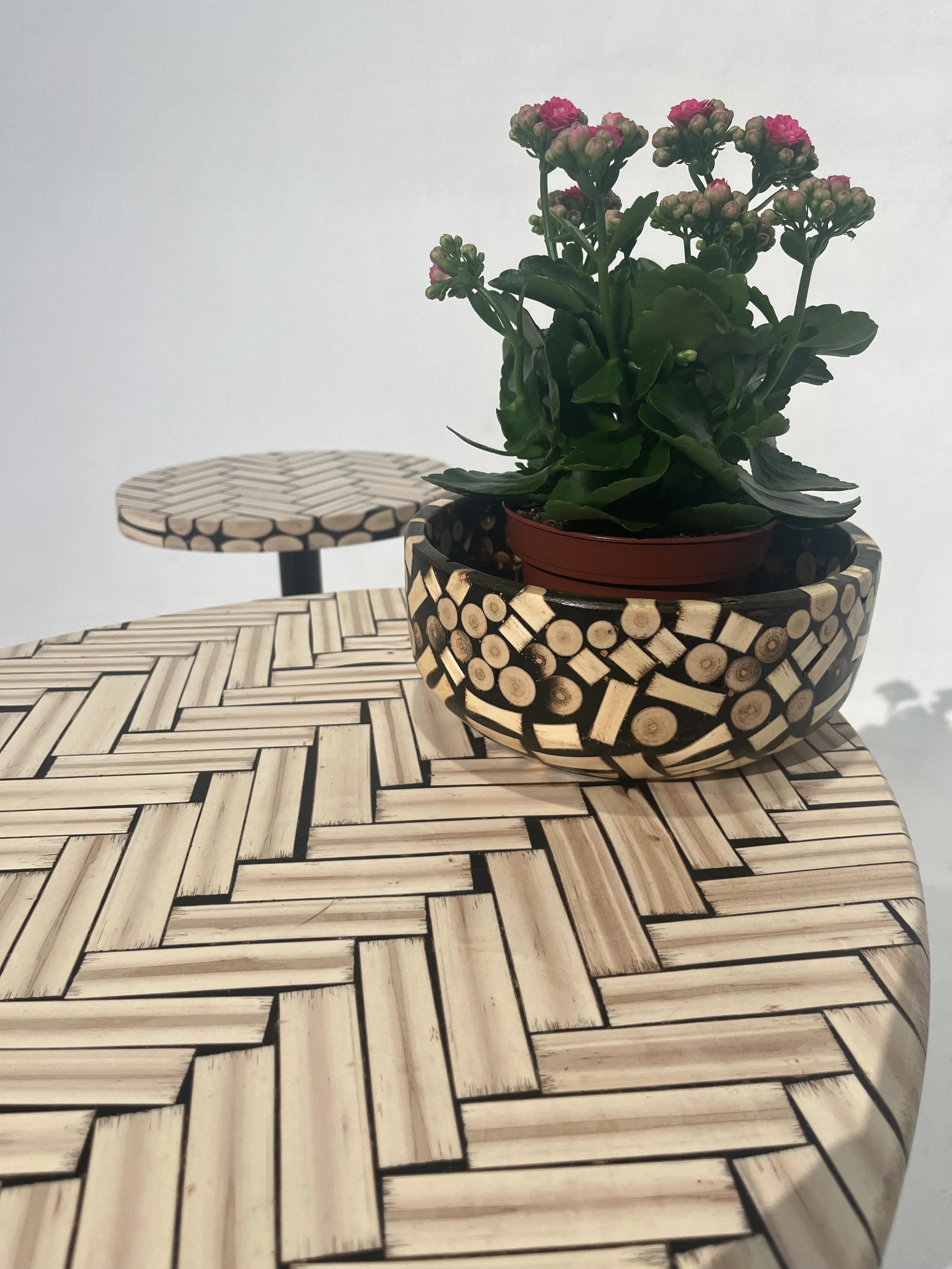
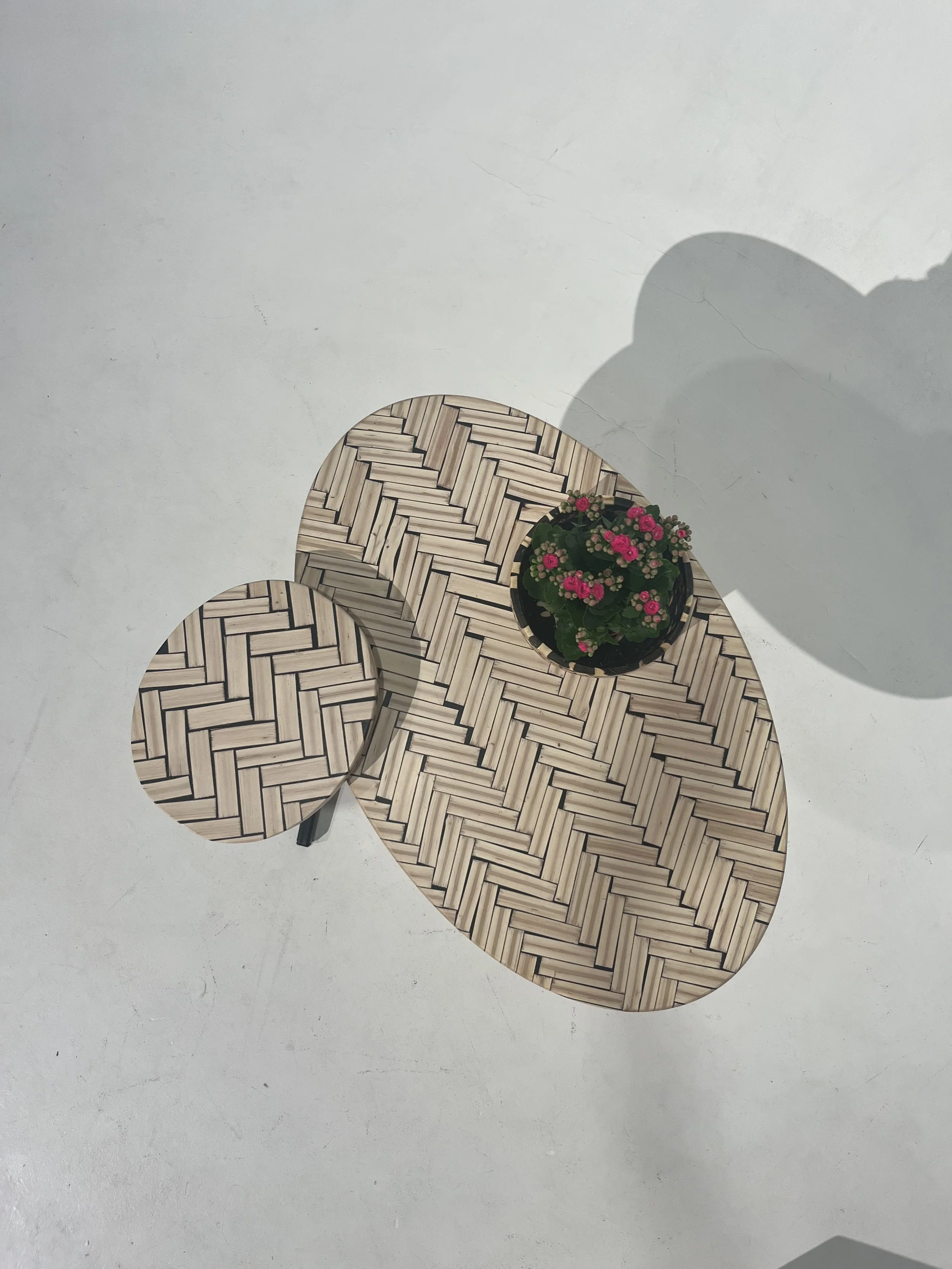
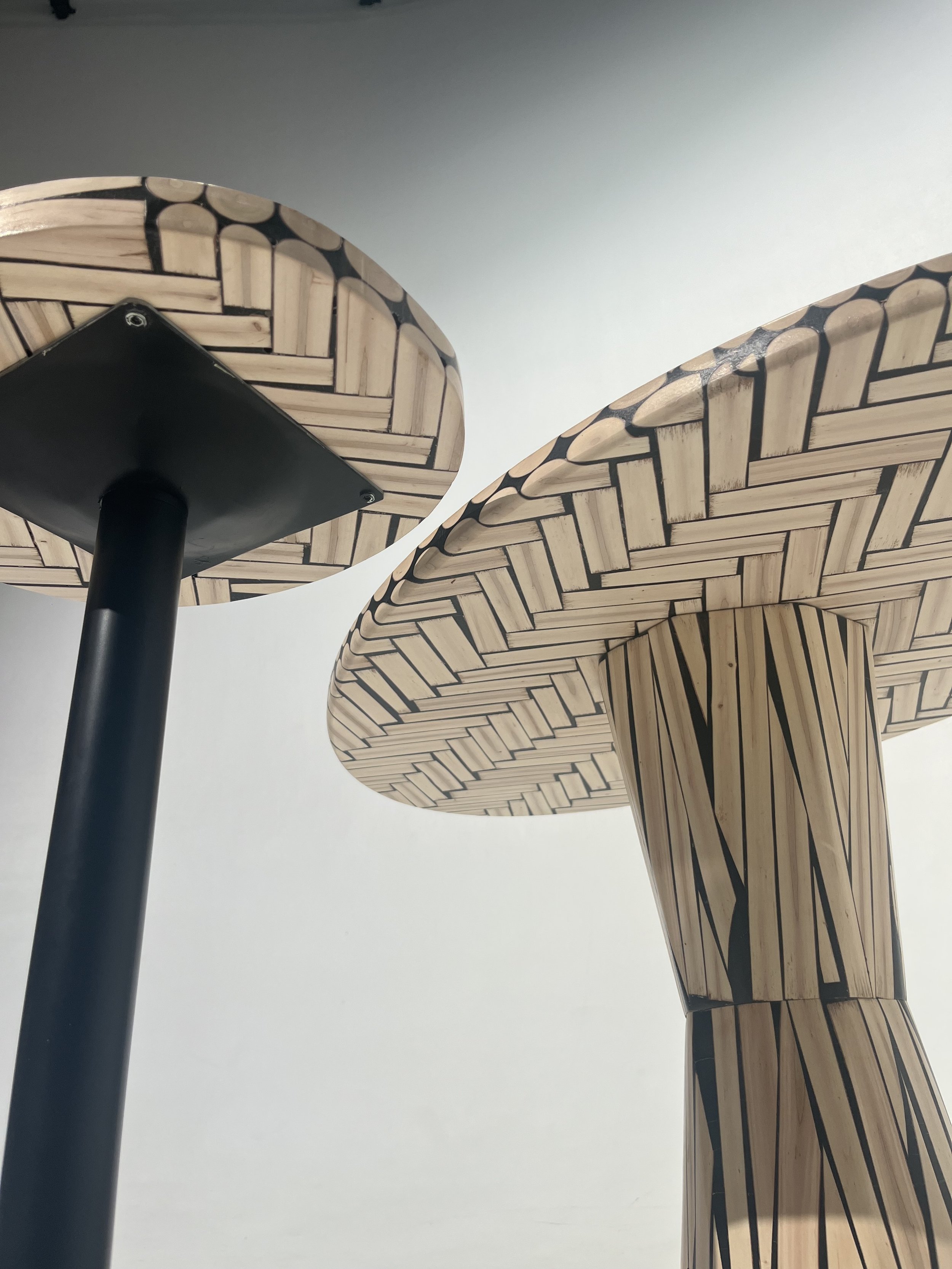
Raw Willow is a style expressed through furniture and home accessories that stand out because of their natural, organic appearance combined with sleek matte resin surfaces that connect everything together. These objects are made from various wooden branches combined with bioresin. Through the finishing process, the grain and natural markings of the wood become highly visible, revealing unique patterns and textures.
Wezen
Nonfinalist Project
Wes Kalverkamp
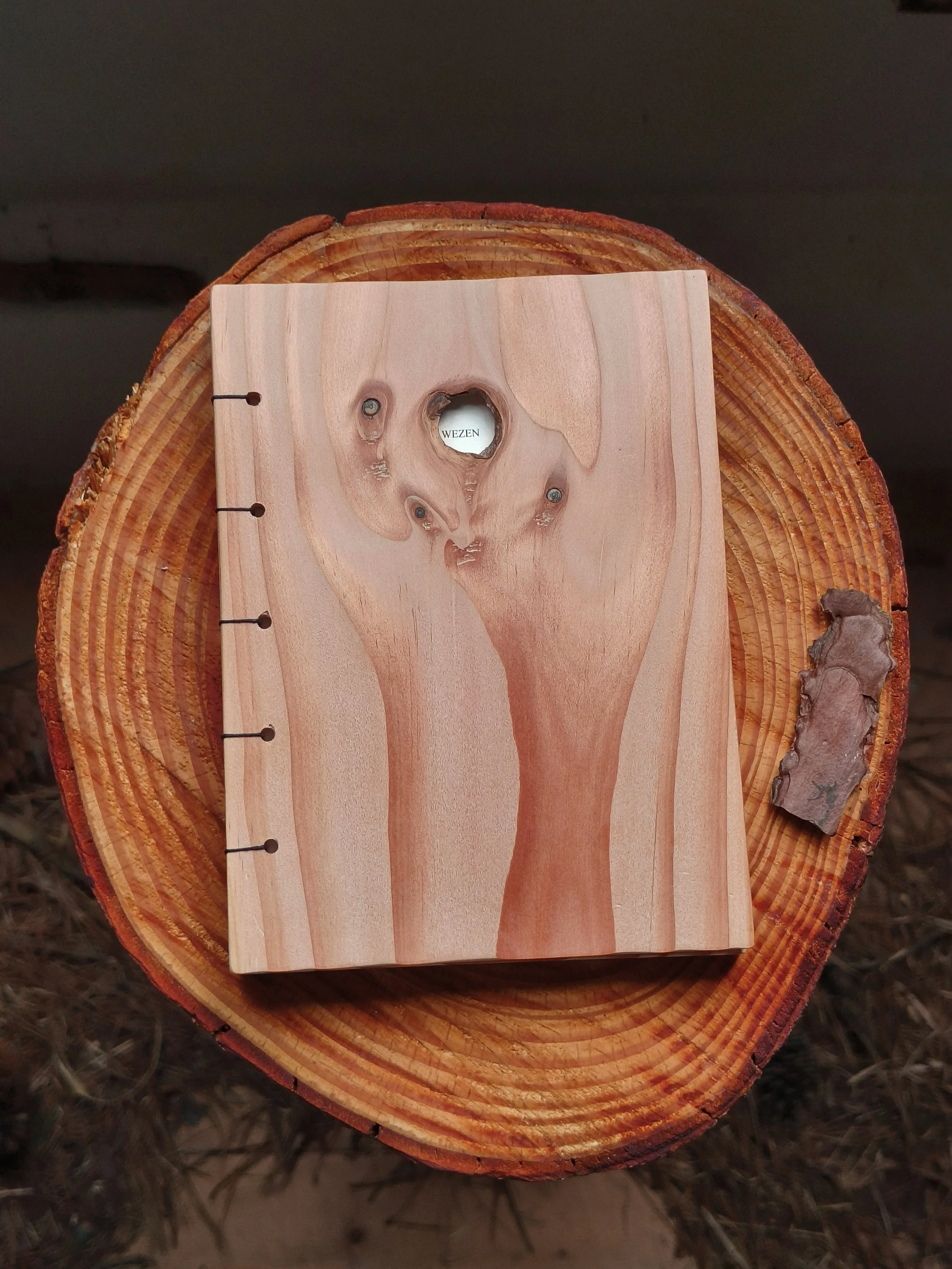
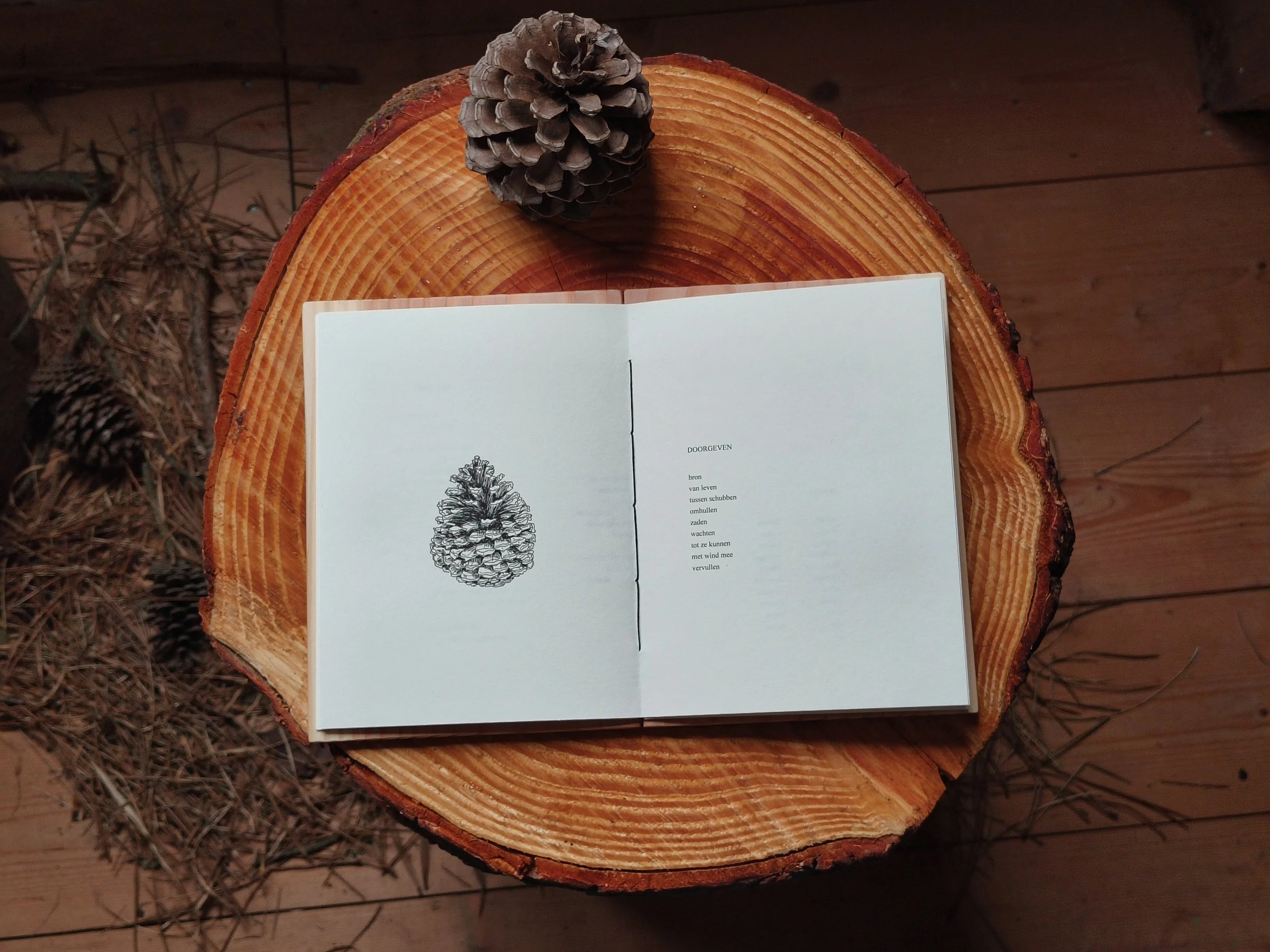
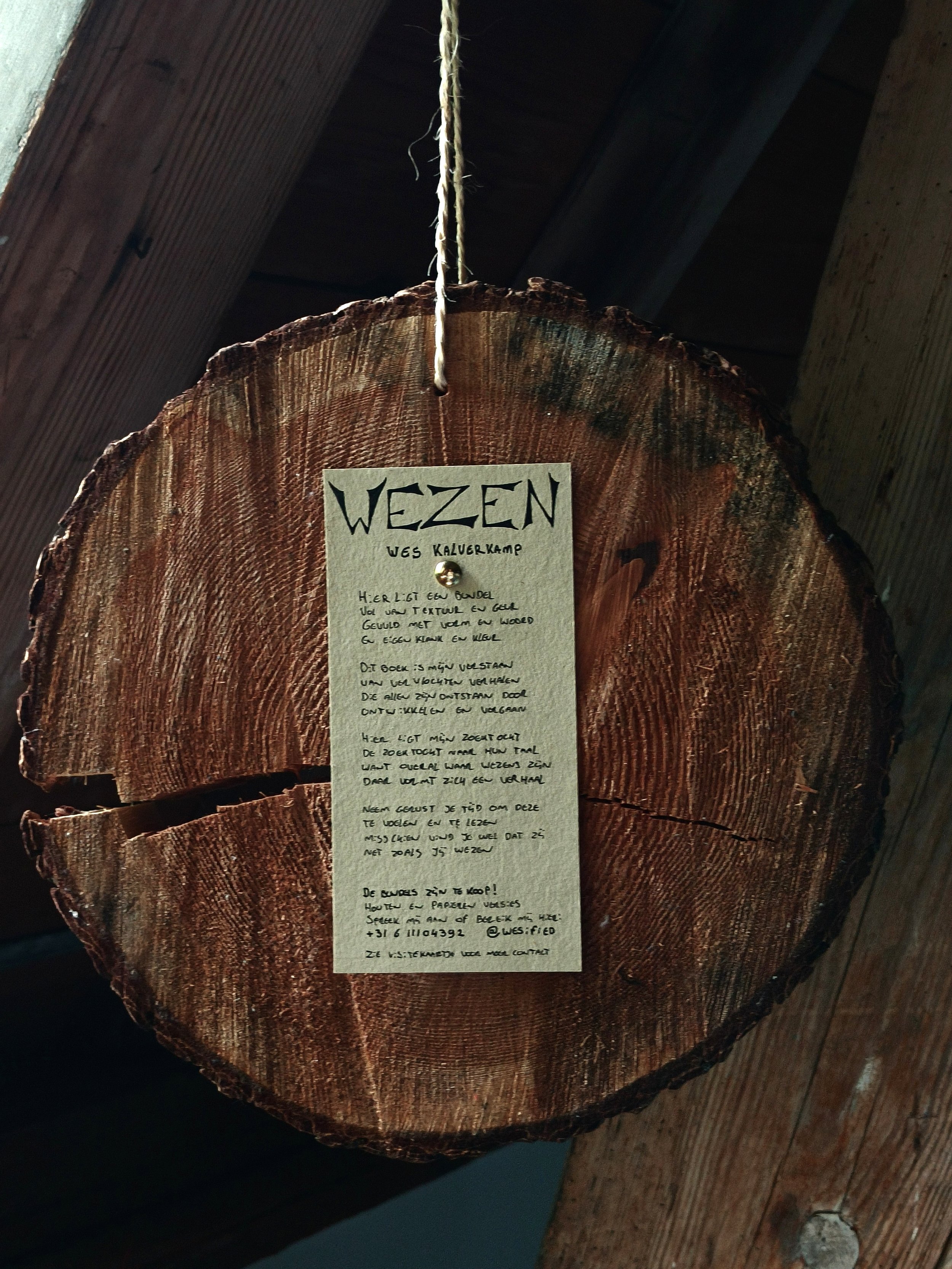
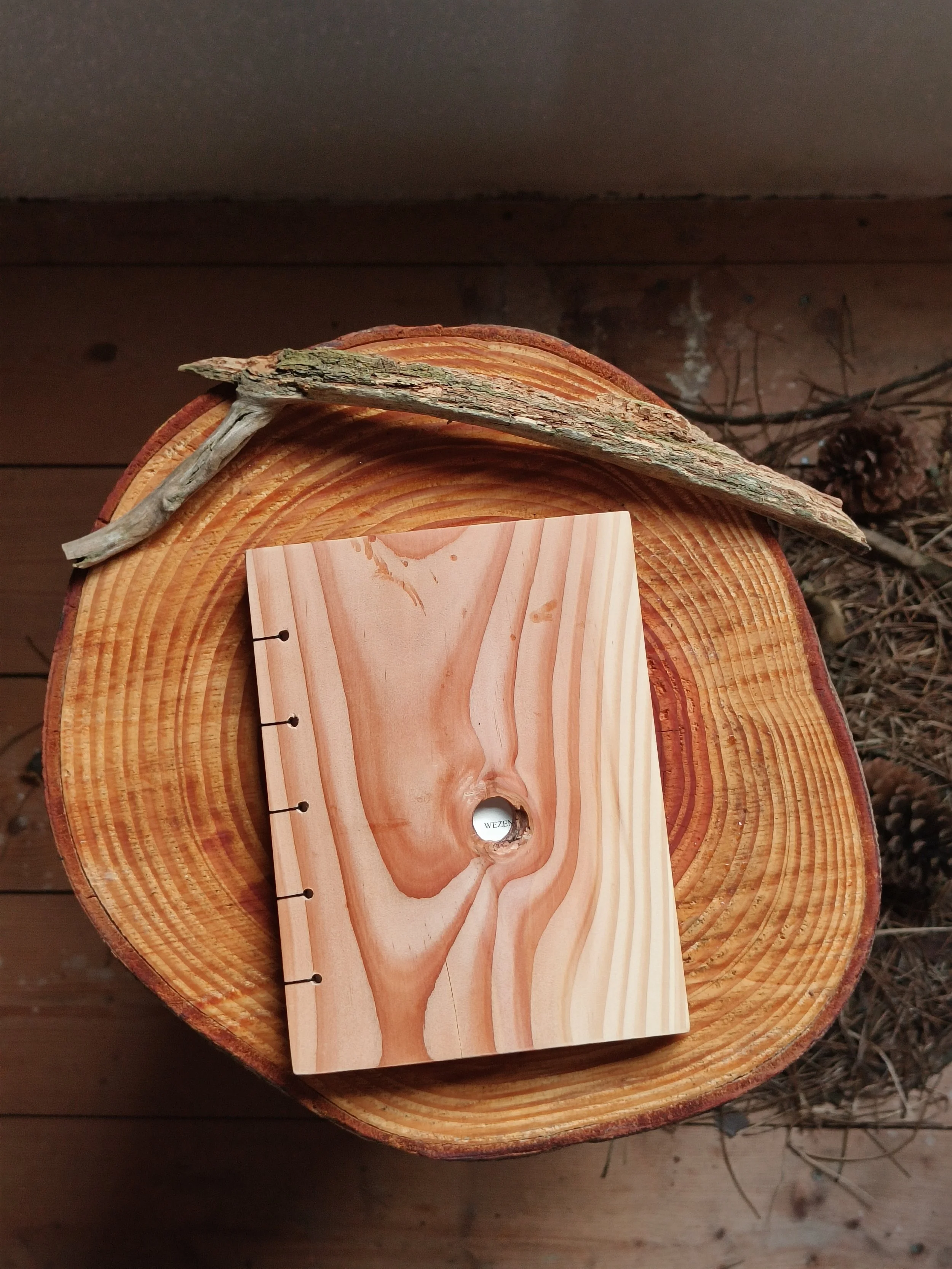
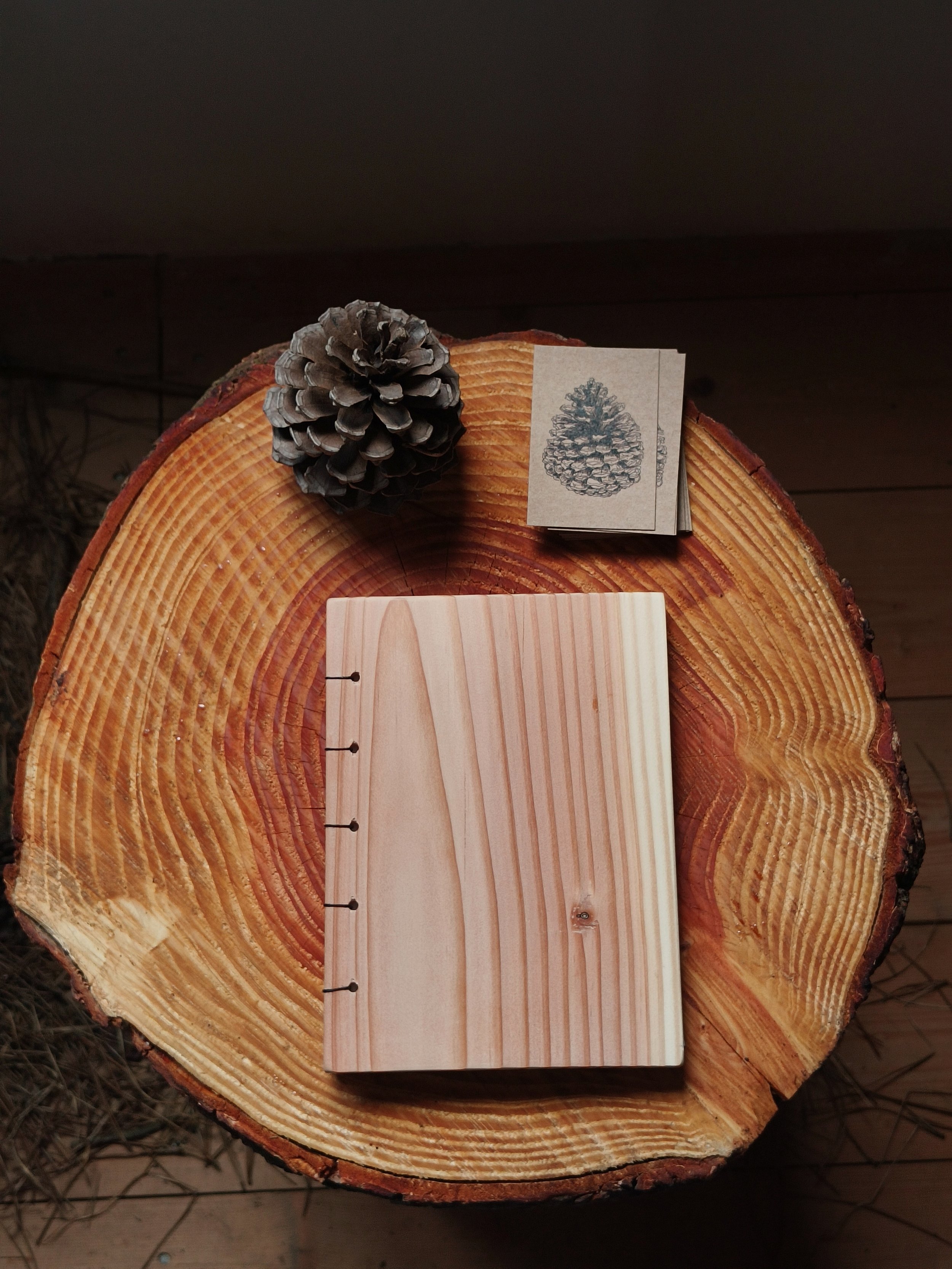
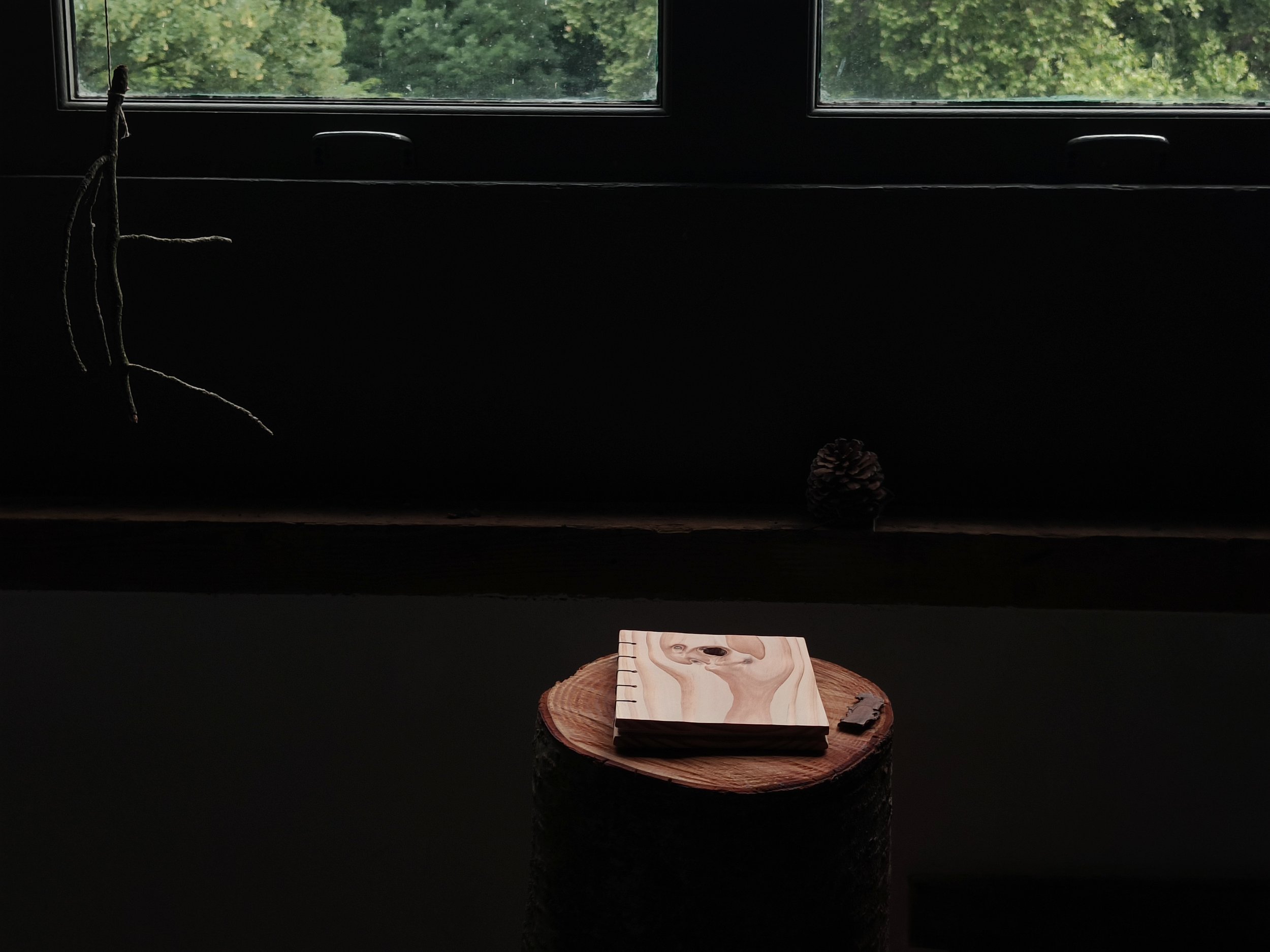
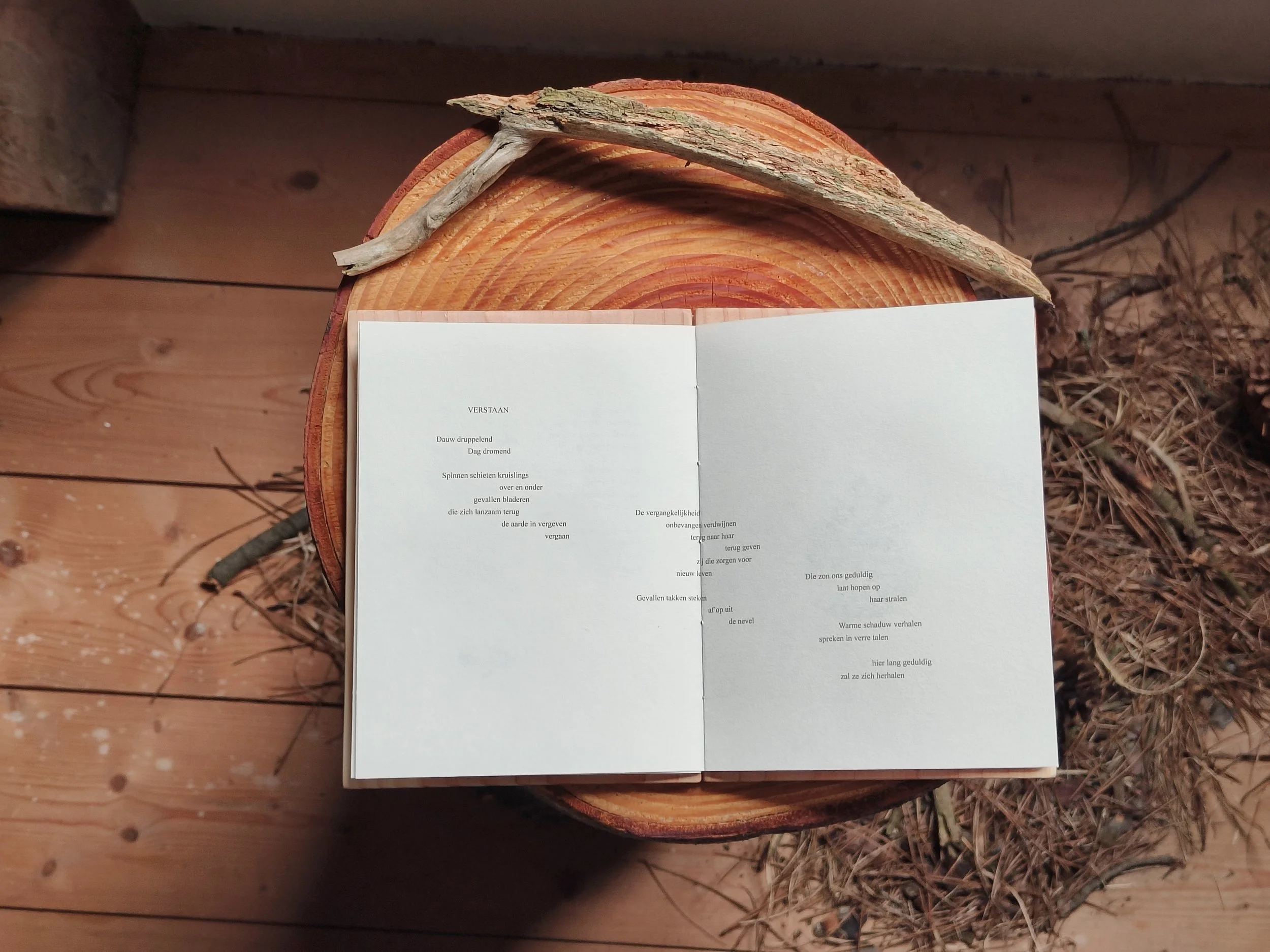
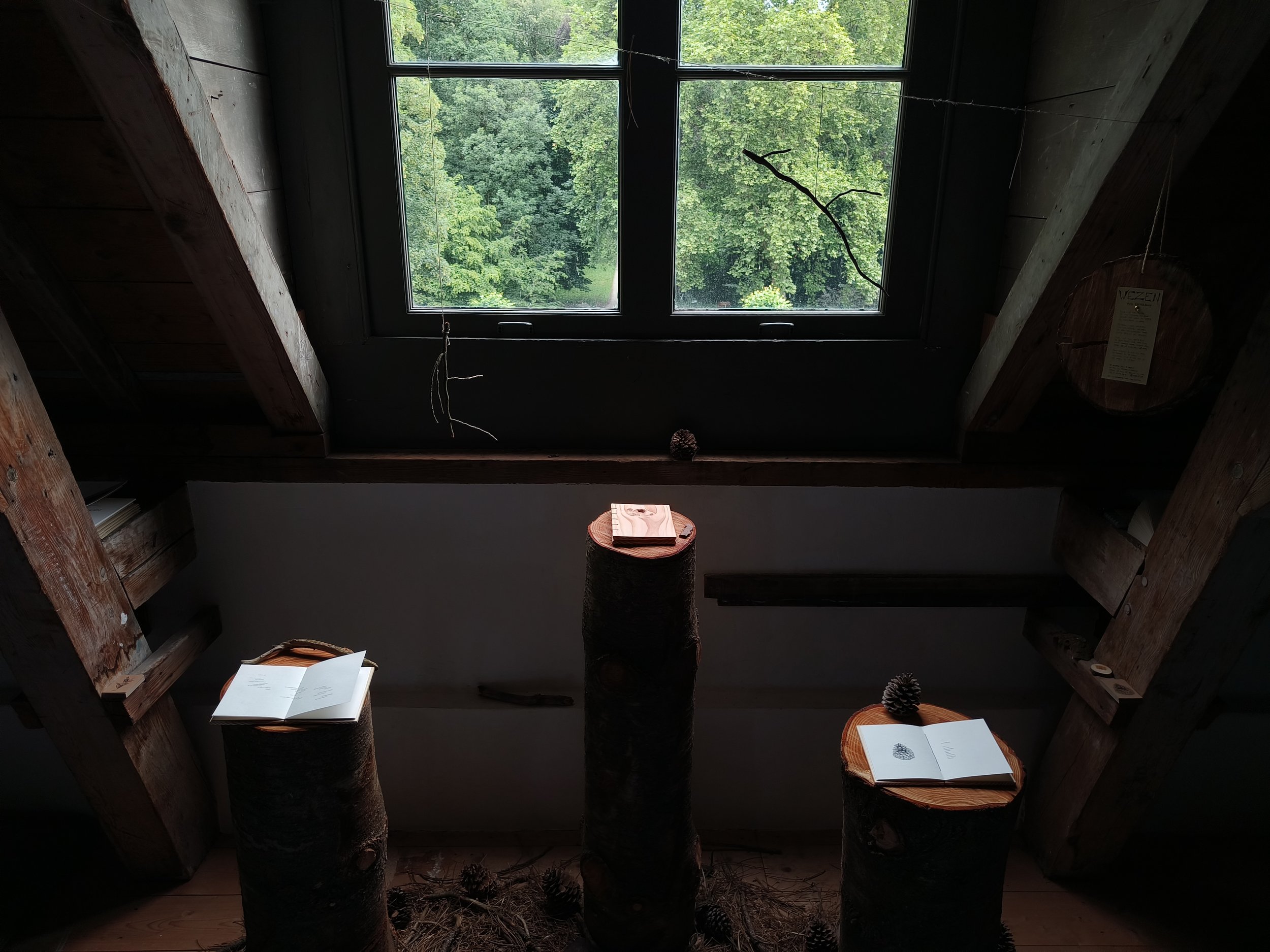
Wezen is a poetic quest through the forest of Amelisweerd for the ‘language’ of trees and all beings around them. A forest is full of beings. Beings who have their own ways of communicating. They speak their own language. The concept of ‘language’ takes many different forms (body, visual, spoken). Poetry is the art of interpreting those languages and translating them; it is a way to get to know them. During this walk through the forest, we will visit Amelisweerd’s wise trees, look for the language of their surrounding beings, and bundle our own booklet of poetry. In the presence of the trees, we take some time to just ‘be’ (om simpelweg te wezen). In that moment of stillness, our senses will notice the forest's life and its ways of communicating. Who do you relate to most? And what language do they speak?
The Act of Saying Thanks
Nonfinalist Project
Annemarie van Drent
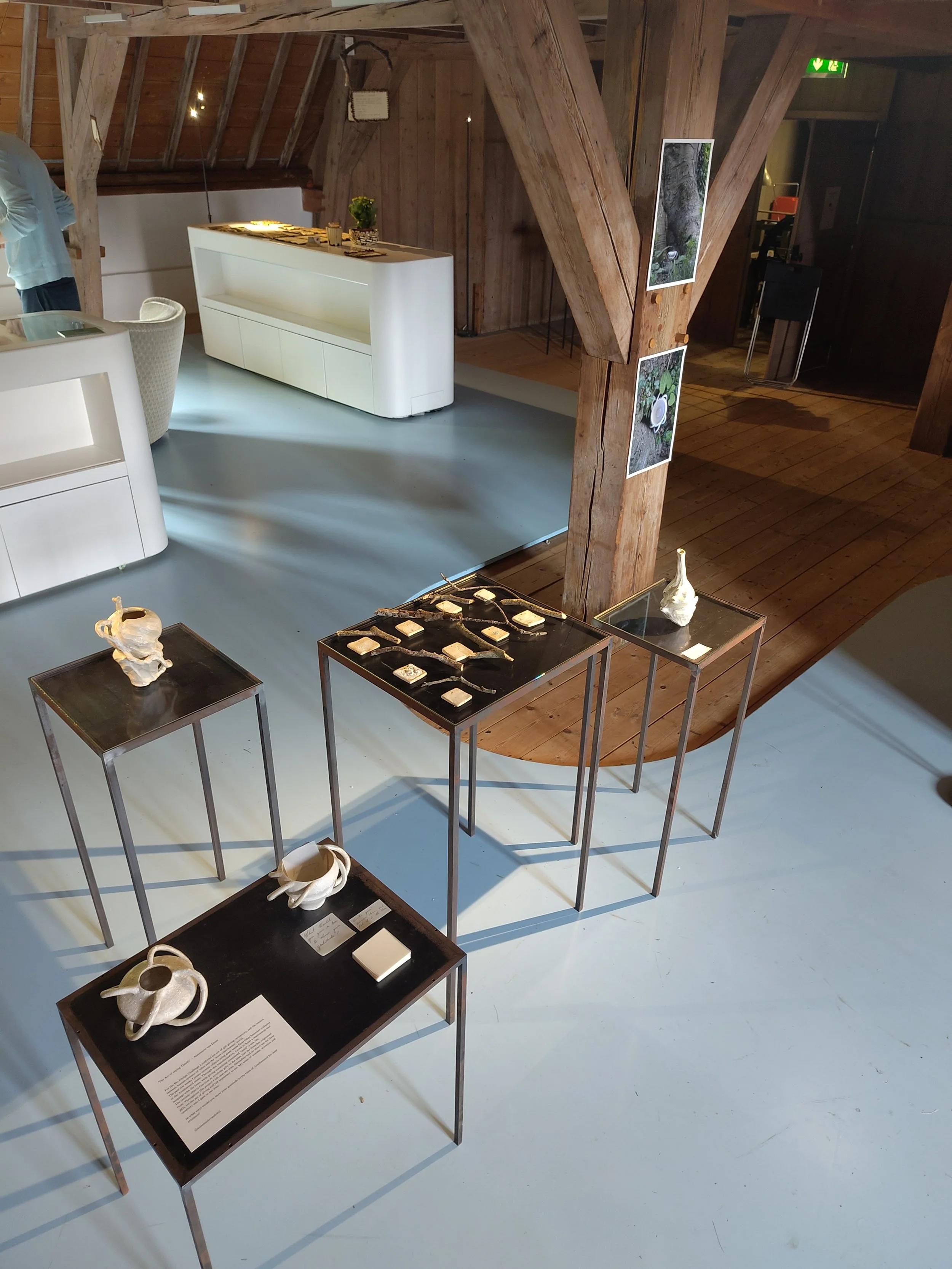
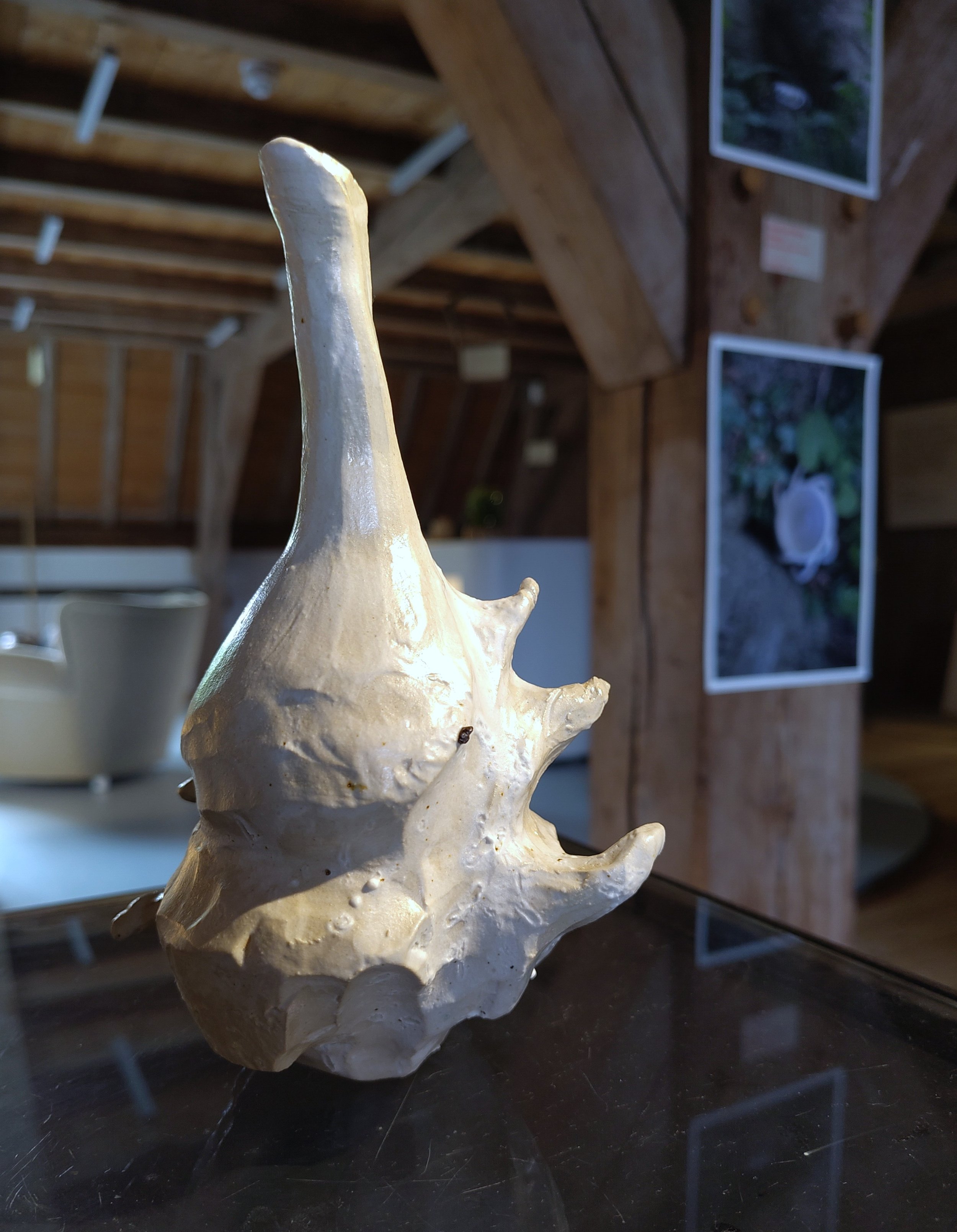
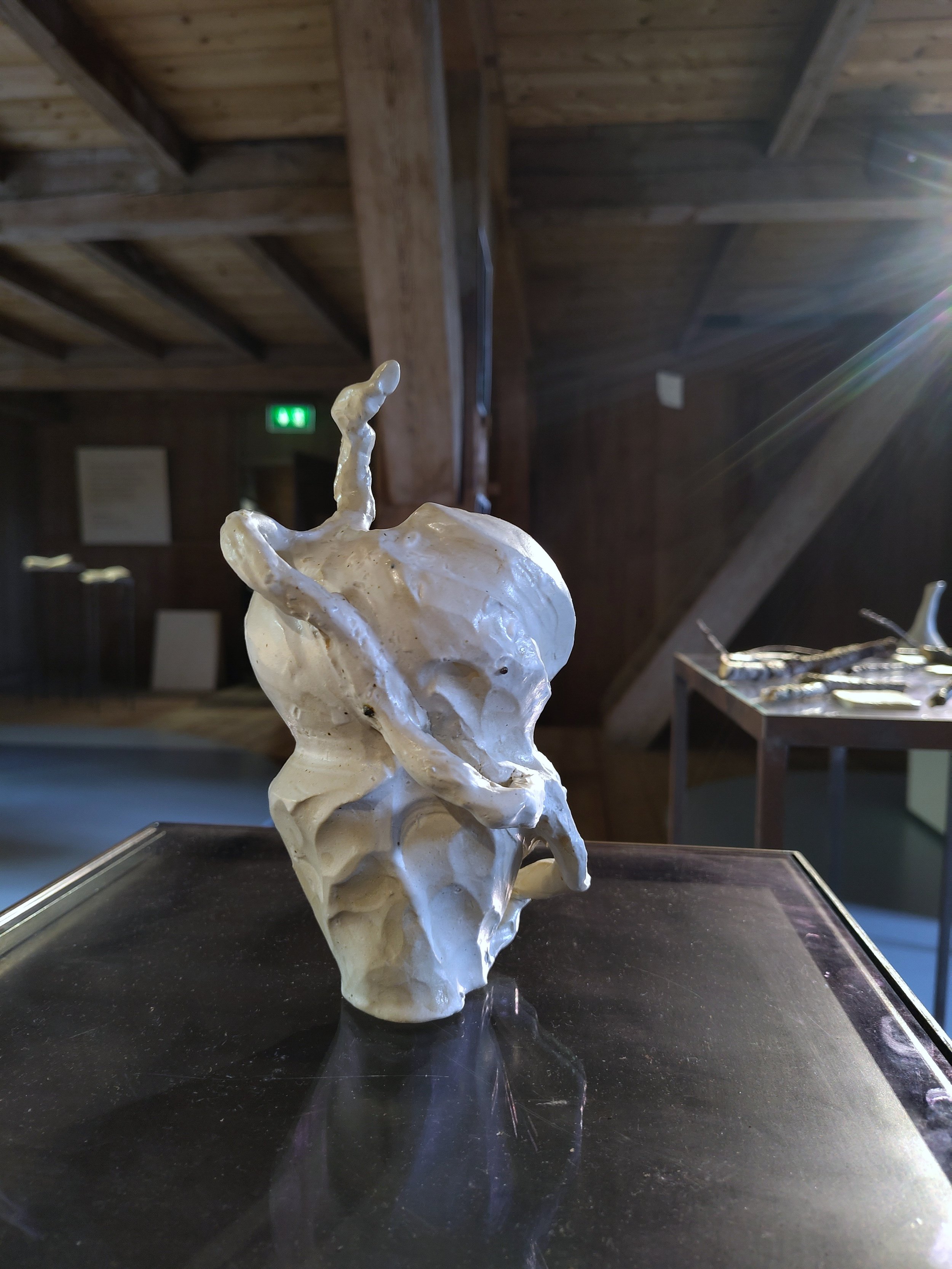
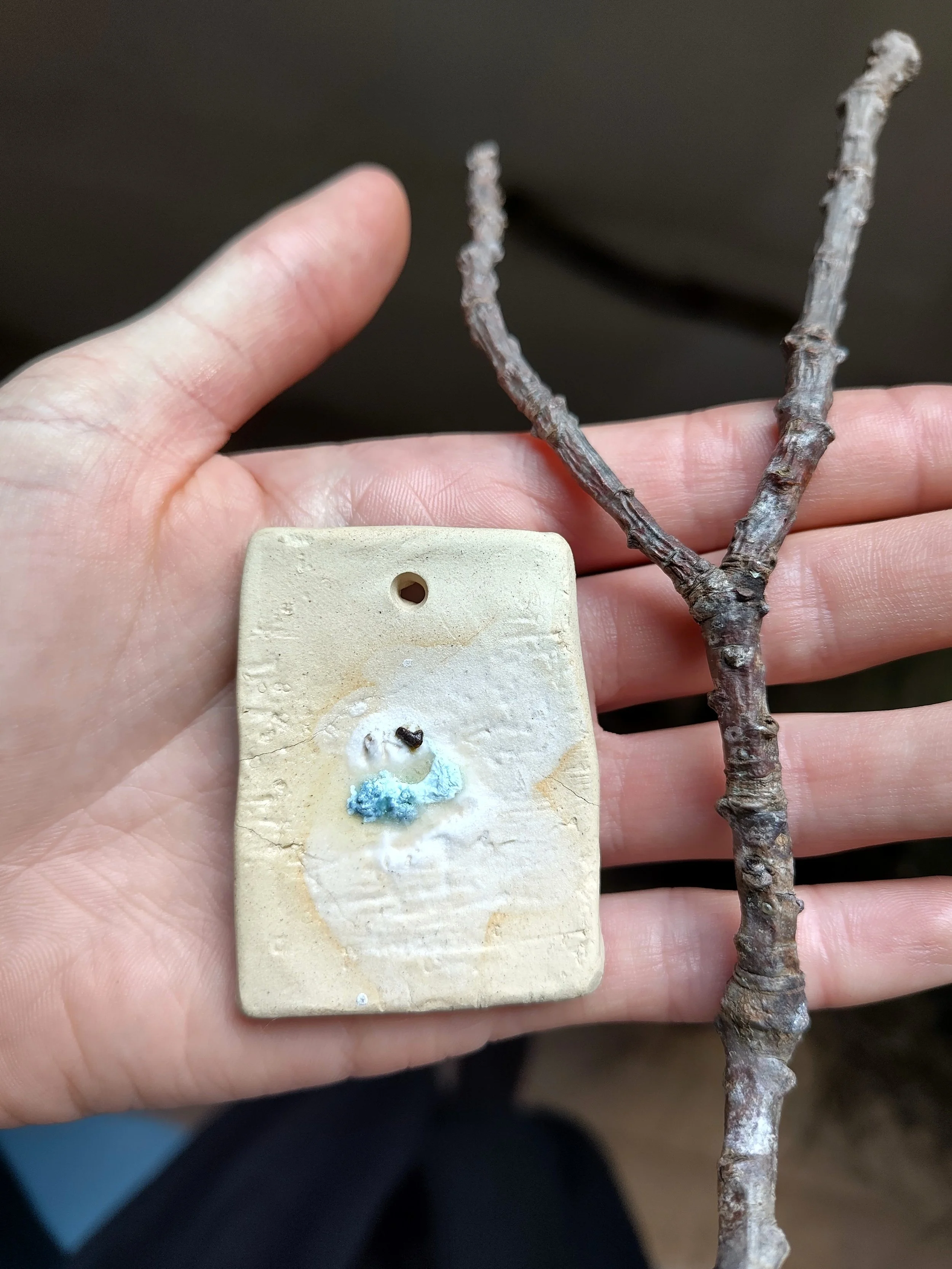
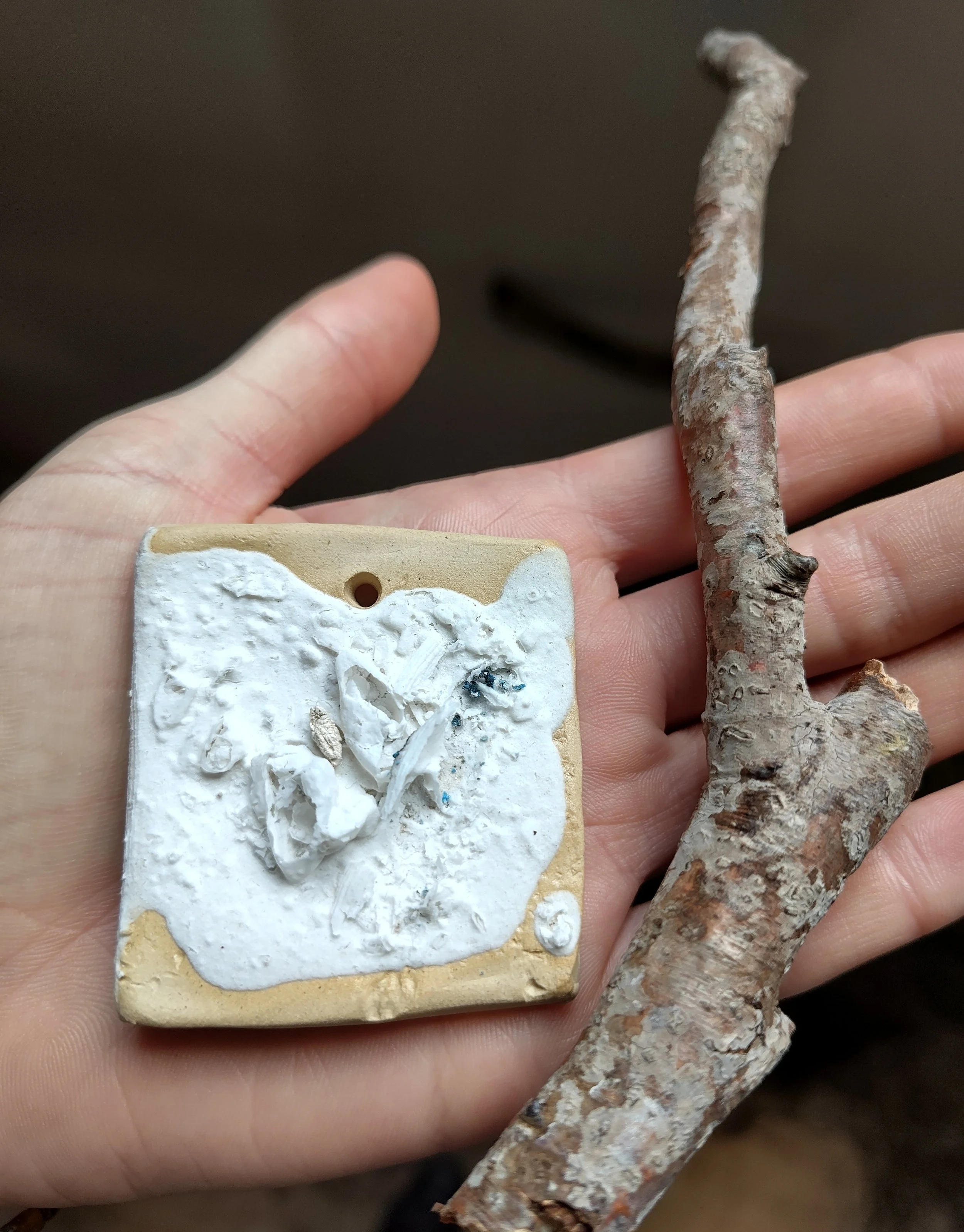
For the Biodesign Challenge I explored the act of gift giving, reciprocity, and the tension between human systems of value and the ‘more-than-human’ world. The past few weeks I create ceramic objects using glaze made from fallen branches collected at the Amelisweerd estate. Through this transformation, I tried to build a relationship and language with the trees, while giving something considered “dead” a new life. The ceramic objects function as symbolic gifts to the trees that the branches originated from. Throughout this project I felt that the trees themselves had no direct use for these gifts, yet the act of giving still felt important to me. My sense of wonder, attention and creativity was what I gave to the trees. In what ways would you show your gratitude to trees for their existence?
What to Gift a Willow?
Nonfinalist Project
Mees Muijs
Humans have learned many ways to control the natural world. This control is easily recognised in the clean rows of trees planted by humans, especially the typically Dutch pruned willow. So in contrast: what does an equal, or submissive human role look like? In research for answers I looked to other beings living with, in and on willow trees: What can spittlebug teach us about living with and in trees? How can mycelium show the importance of death in the cycle of life? When does a willow become stressed, can we sense that? Is our current way of caring for the trees harmful? What does a willow need, what is there I can give to them in return? How can I co-create, without extracting something from the tree? What can I give back that has a lasting influence on them? Through these questions, I hope to come closer to my goal. Finding my place as a human in a balanced symbiotic relationship with willow.
Maat der Dingen
Nonfinalist Project
Anne Roos van Veen
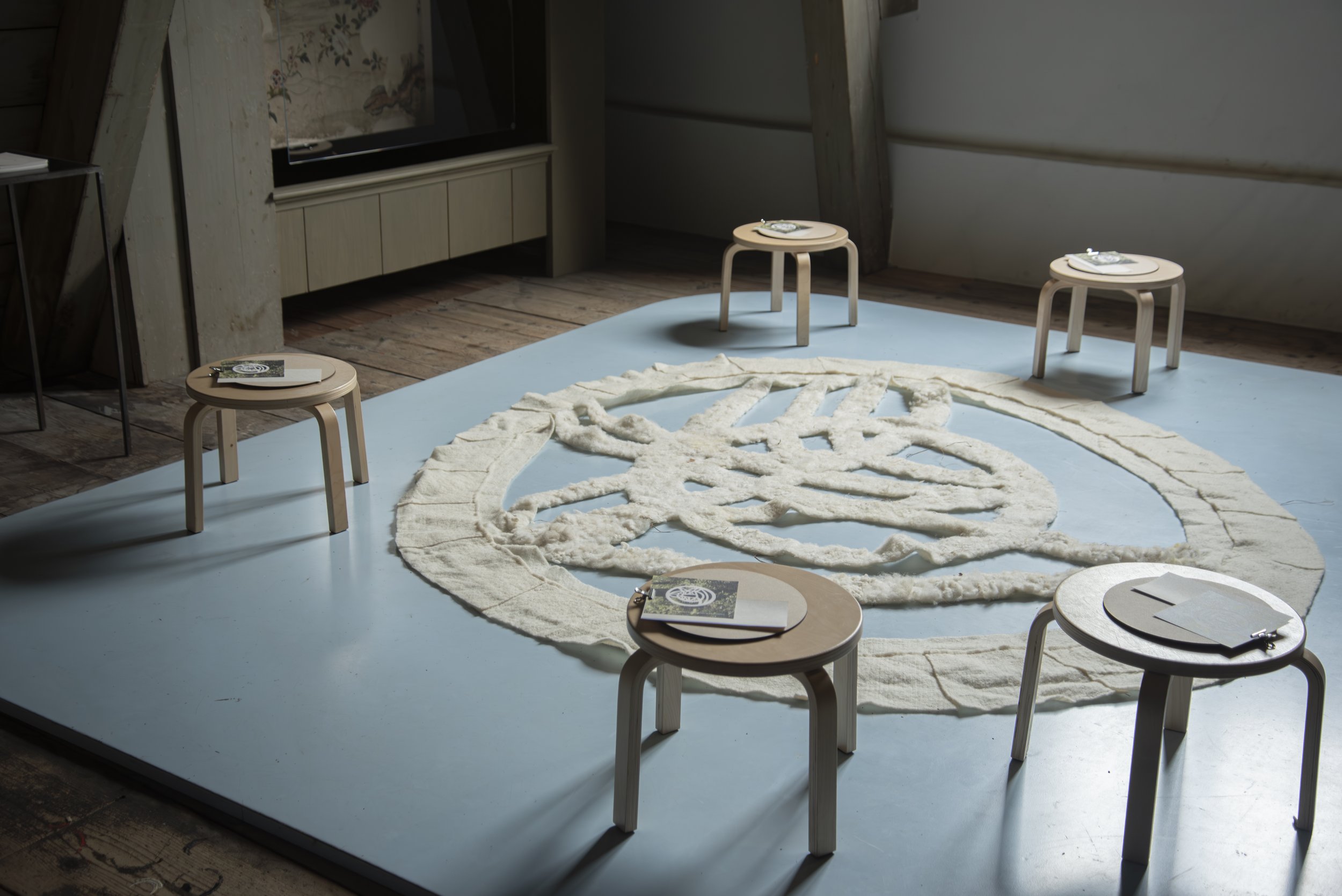
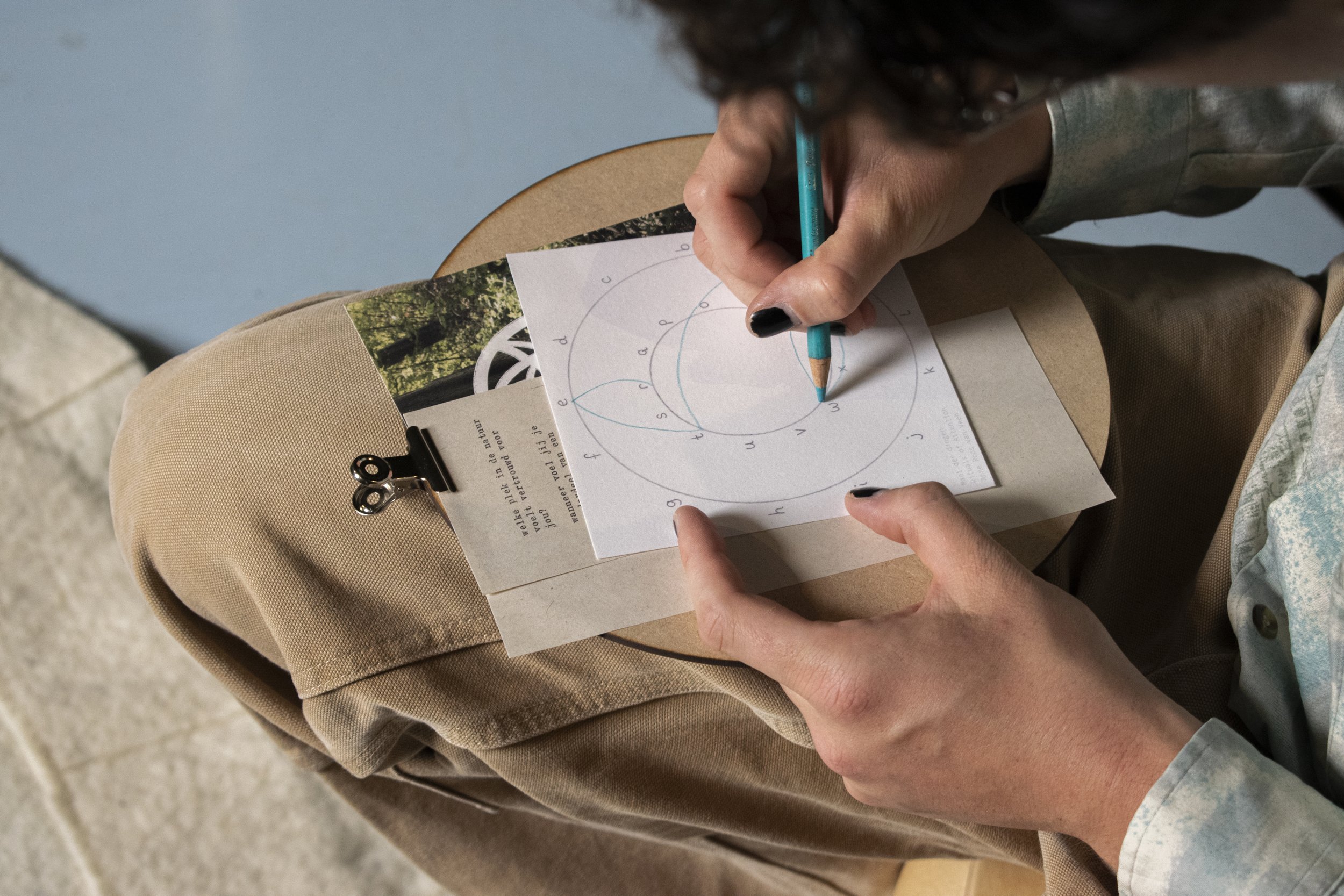
Maat der Dingen explores how language shapes our relationship with the more-than-human world. By transforming language into visual forms, the project creates space for intuition, attention, and connection beyond words. The work invites us to reconsider communication and asks whether words are the only way we relate to our surroundings. Through a visual language inspired by the cycles of the moon, participants are encouraged to explore more sensory and embodied ways of connecting. Natural materials and environmental forces play an active role in the making process, allowing the work to emerge through co-creation between human and non-human agencies. An important aspect of Maat der Dingen is its interactive character. Together with visitors, I translate personal experiences of place and connection into non-verbal visual symbols. These contributions become part of an evolving language that explores new ways of relating, listening, and paying attention.
Hallo Tak Op Mijn Pad
Nonfinalist Project
Chiara Rosan
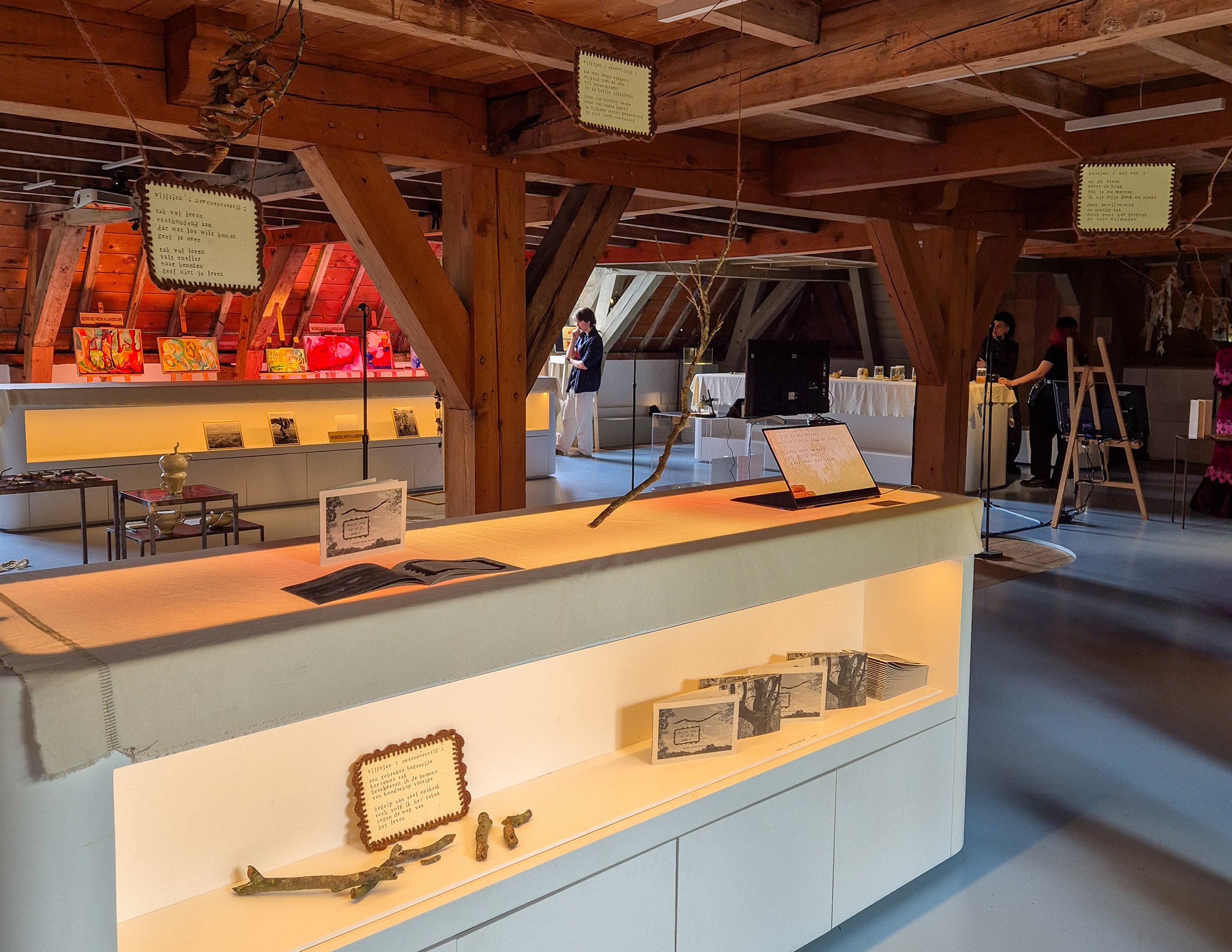
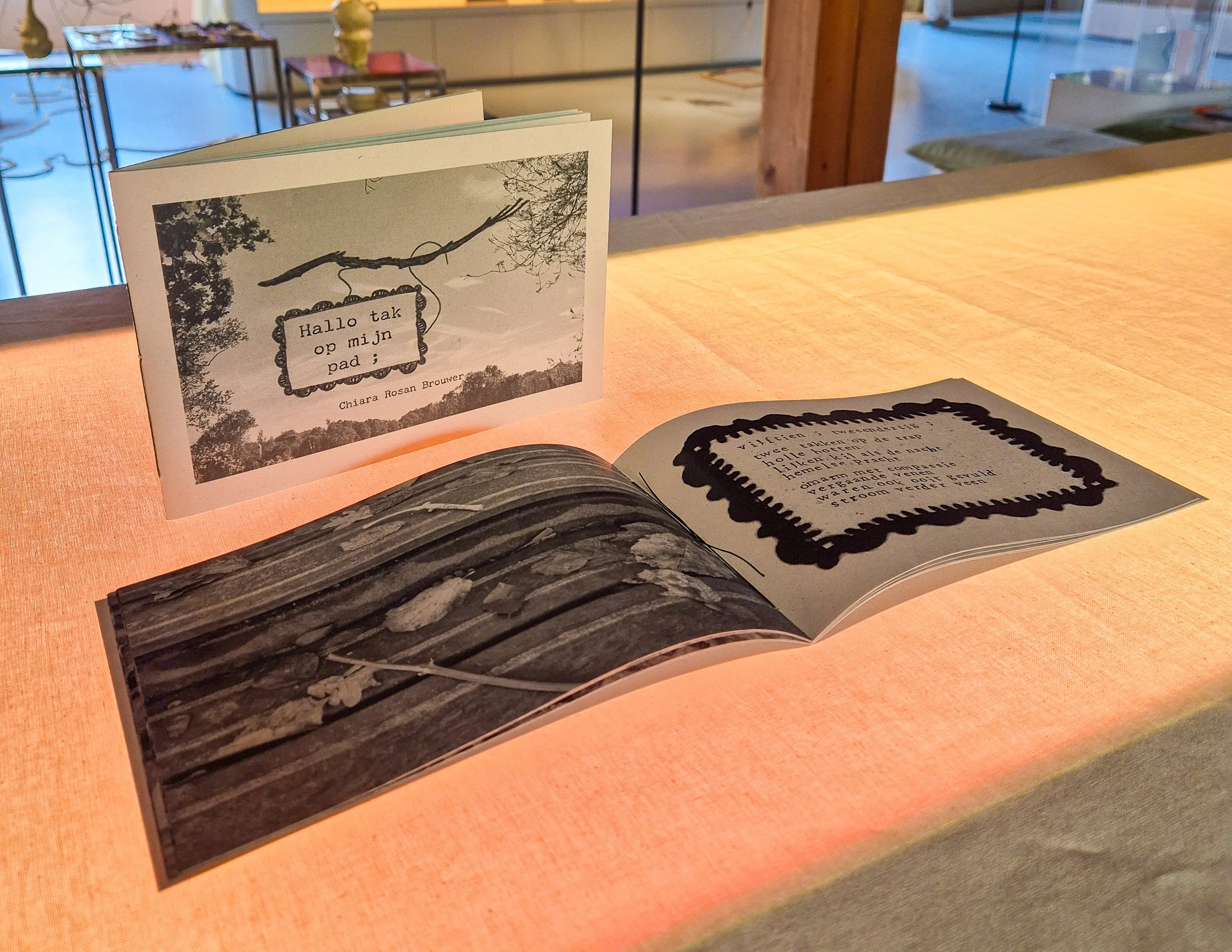
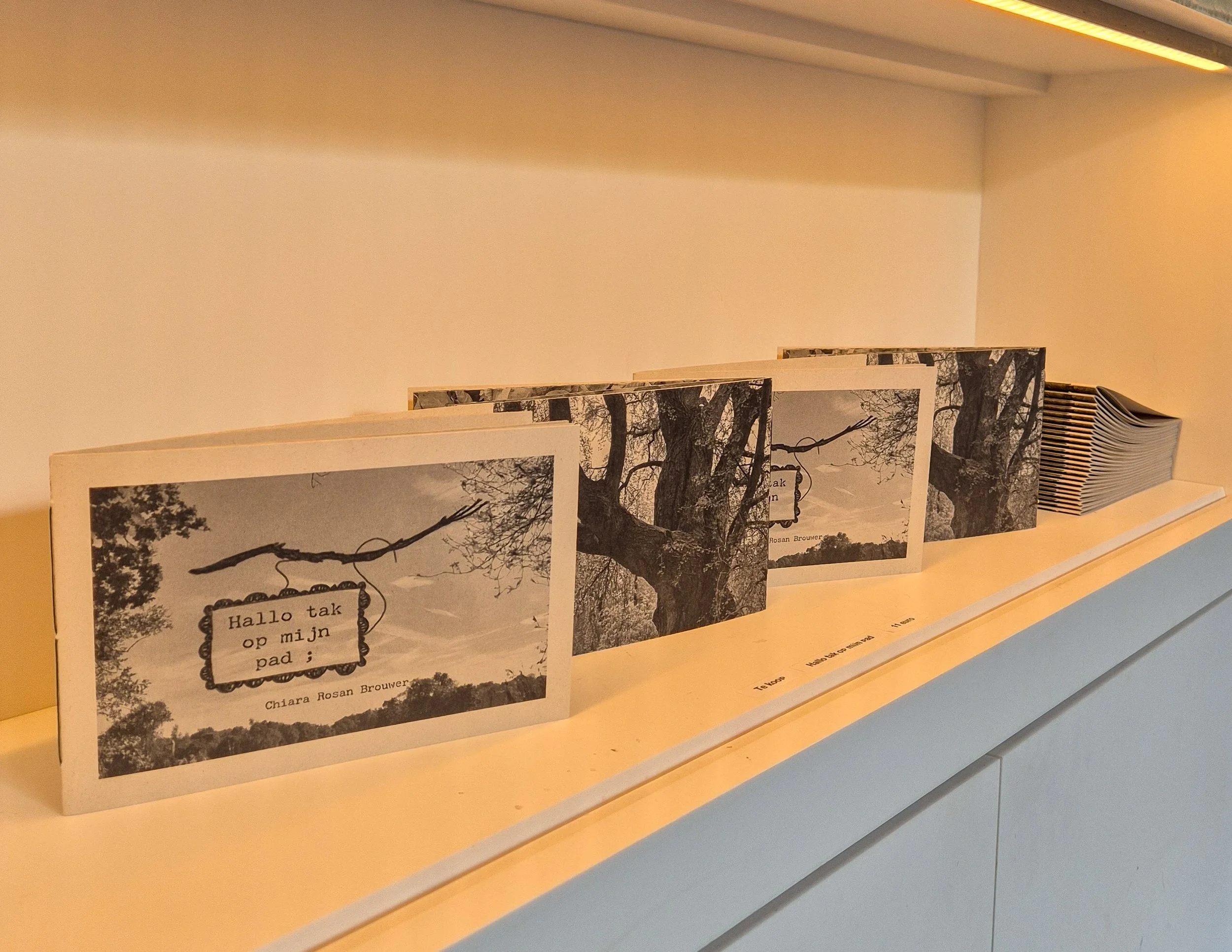
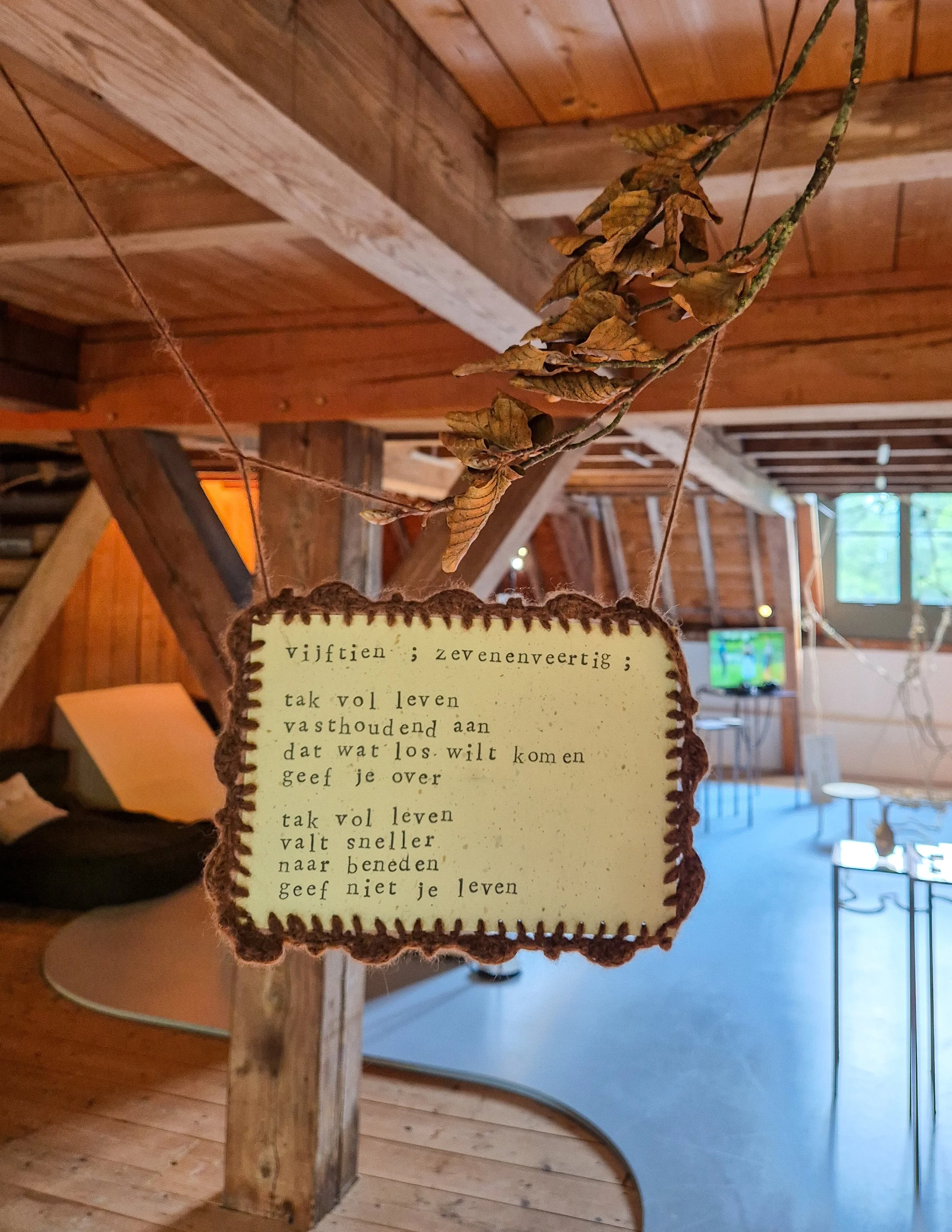
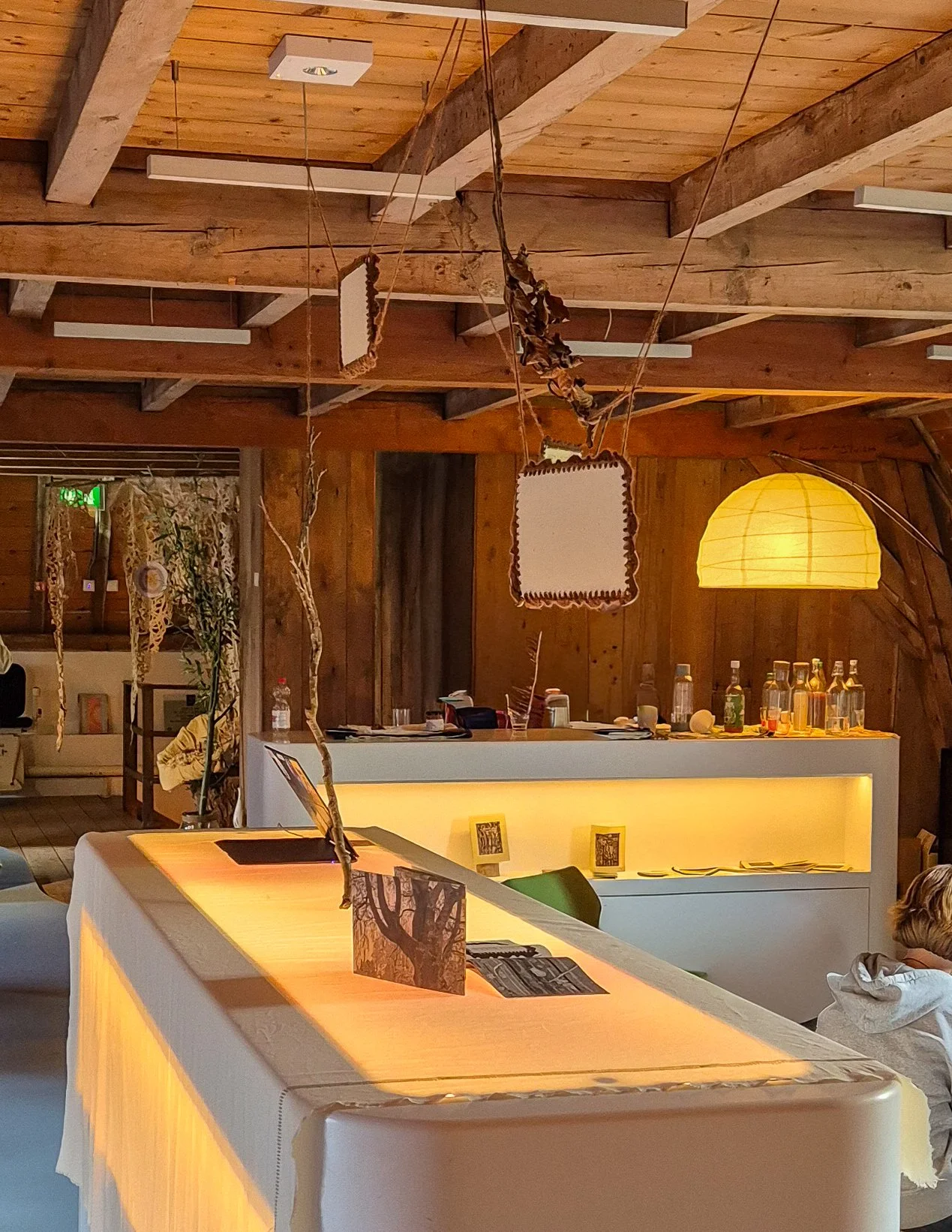
‘Hello, branch in my path’ is a poetic collection of eleven poems, written in collaboration with fallen branches. What began as a walk through the Amelisweerd estate developed into an insightful conversation. The work explores how shifting your attention to serenity and repetition can create space for a dialogue with the landscape. Every branch was once part of a larger organism. What if these shedded limbs carry a memory of the tree? The fallen branches form a story, which I interpreted visually and energetically. I documented this through small poems that I stamped by hand; letter by letter. A slow and repetitive process, shaped by a natural rhythm: just as trees move in the wind.
Huishuid
Nonfinalist Project
Eline Jasmijn van der Steen
Huishuid is about the lesser-known effect of climate change: ocean acidification. Shells, in particular, suffer from this because their calcium carbonate outer layers dissolve in the increasingly acidic ocean. This installation makes that problem both visible and audible. It is an investigation into the question of whether we can develop empathy for mollusks. Through two shells, you can hear the sound of the shells dissolving live. Just as you used to listen to the sea inside a shell as a child, you now listen to the sound of the sea of the future. In the video, you see images of dissolving shells under a microscope. But inbetween those scenes are fragments of human skin on which bubbles form. Would we care more about ocean acidification if our skin were to dissolve as well? And do we need to see them as humans to start caring for them?
Memories in Cellulose
Nonfinalist Project
Marit Hofman
Memories in Cellulose invites visitors to step into a workspace of connection and transformation, where microorganisms and humans co-create. It is a space to reflect on how we, as individuals, position ourselves in our local ecosystems. Visitors are invited to step into my workspace. Combined microbial cultures from plants and human grow cellulose canvases through fermentation. On these canvases, analogue pictures are projected. The pictures show a combination of the plants in the fermentation and a human silhouette. The pictures were left with the fermentation, to be altered by the microorganisms. Memories in Cellulose is about creation through degradation, inviting unpredictability and centering co-creation over ownership.
Water Tonen
Nonfinalist Project
Arwen Morsink
Wind and flowing water, they give me a sense of vastness. During a bike trip along the Rhine last summer, I saw how the water touched various landscapes and industrial areas. At home, the Kromme Rijn became a landmark, constantly in motion. The rural surroundings where I have come to live and the city of my studies, they contrast, but are also connected by the river. During my research, I let my senses guide me. How can I form an interaction with the landscape in a playful way? How can I invite others to do the same? During the exhibition at Landhuis Oud Amelisweerd, I gave visitors an opportunity to try the instruments that were part of my research, and form a orchestra in cooperation with the Kromme Rijn.
Hortus Homunculi
Nonfinalist Project
Adam Tenorio
What does it mean to be part of the human family? If we have created it, is it not an extension of us? A child, even. Based on the writings of Jane Bennett and drawing from Bruno Latour's concept of a Parliament of Things, Hortus Homunculi welcomes viewers into a garden of anthropic absurdity, inviting us to meet a long-lost and little-thought-of family member for what may be the first time. Scents developed to mimic a human infant, texts written from the perspective of an orange, and videos depicting the act of undefined consumption dare us to question the gamut of ethics orbiting ancient genetically modified organisms. Leveraging olfactory stimuli, speculative writing, and outlandish performance, Tenorio raises the question, “What does it take for us to destabilize and re-imagine our relationship to the non-humans sharing our everyday lives?”
Instructors 2026

Shirley Niemans leads the HKU Biolab workspace and conducts sustainable materials research within the HKU workshops. She holds a BA in Interactive Art and Music, an MA in New Media and Digital Culture, and is a graduate of the BioHack Academy at Waag Amsterdam. Her work focuses on biomaterial development, regenerative making practices, and re-imagining biotechnological tools for artistic contexts. Over the past five years, she has served as coordinator of the Biodesign Challenge program at HKU.

Kas Houthuijs has a background in neurobiology and biomedical sciences, but his real interest is in the interdisciplinary field of art and ecology. Real innovation happens where the visions of different fields can question and enhance each other. At HKU he teaches BioLab for Designers as a course and at the Waag Future Lab in Amsterdam he teaches the BioHack Academy. Kas believes that artists and designers have great responsibility in the sustainability transition, and he tries to aid this goal through education.
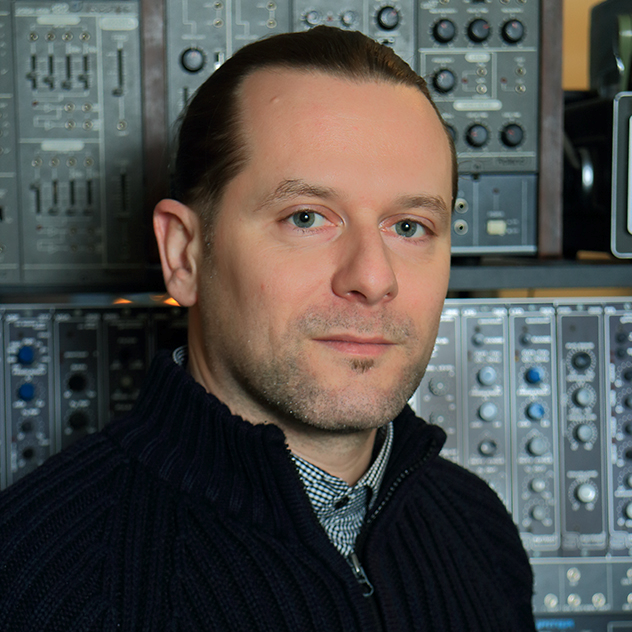
Than van Nispen As a master in both Music and Biology Than van Nispen lectures on both the domains of composition in context, like film and game music, as well as biological and ecological approaches to art, music and sound. Than is a lecturer and researcher at HKU School of Music and Technology where he lectures mostly on Sonic Interaction Design, (interactive) composition in contexts and art & ecology. He is also a music composer for (interactive) live concerts, (art)games and interactive installations.