
LCI Barcelona
PROJECTS 2026
TEREREMATE
FINALIST PROJECT
Julia Benichio Hermosa
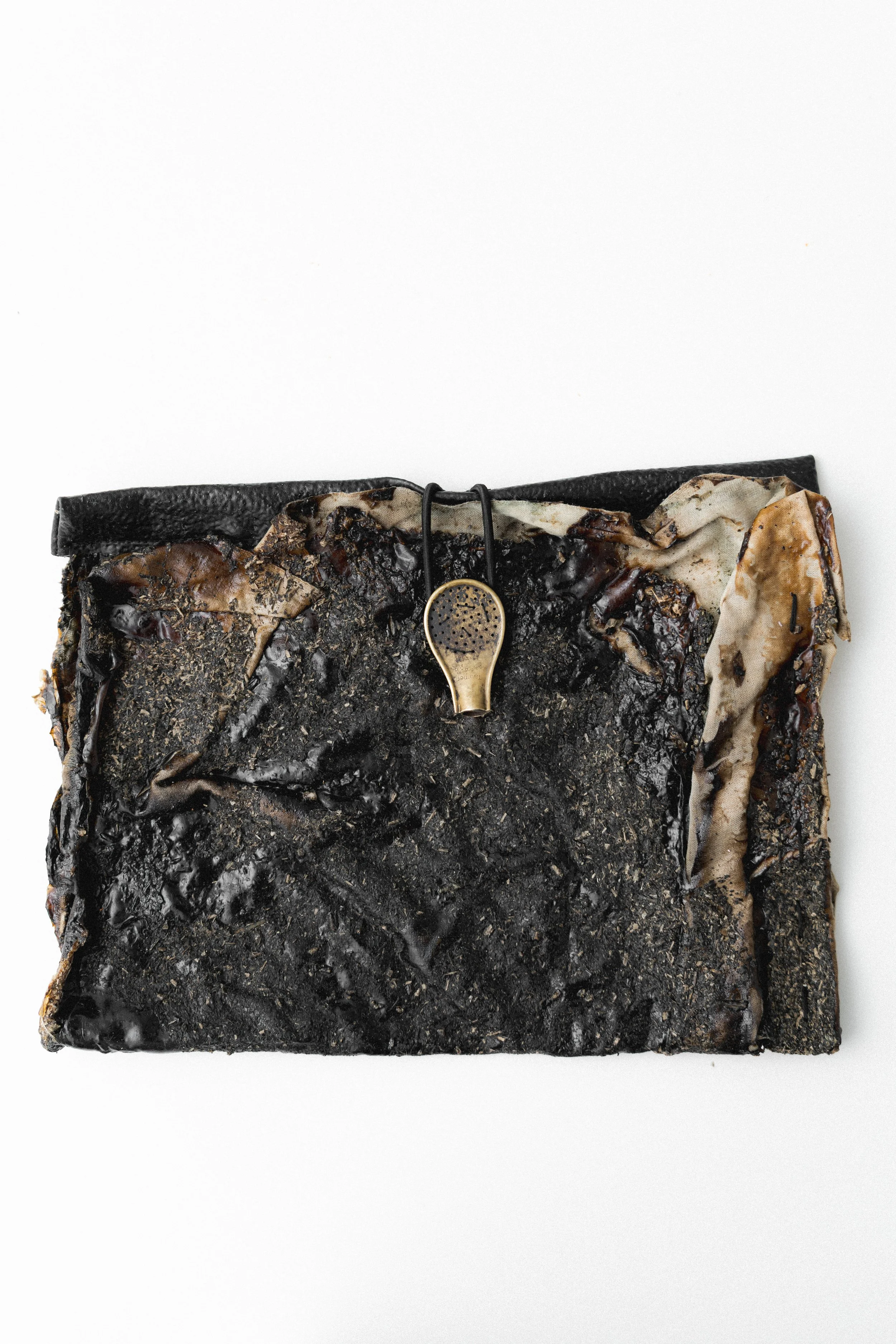
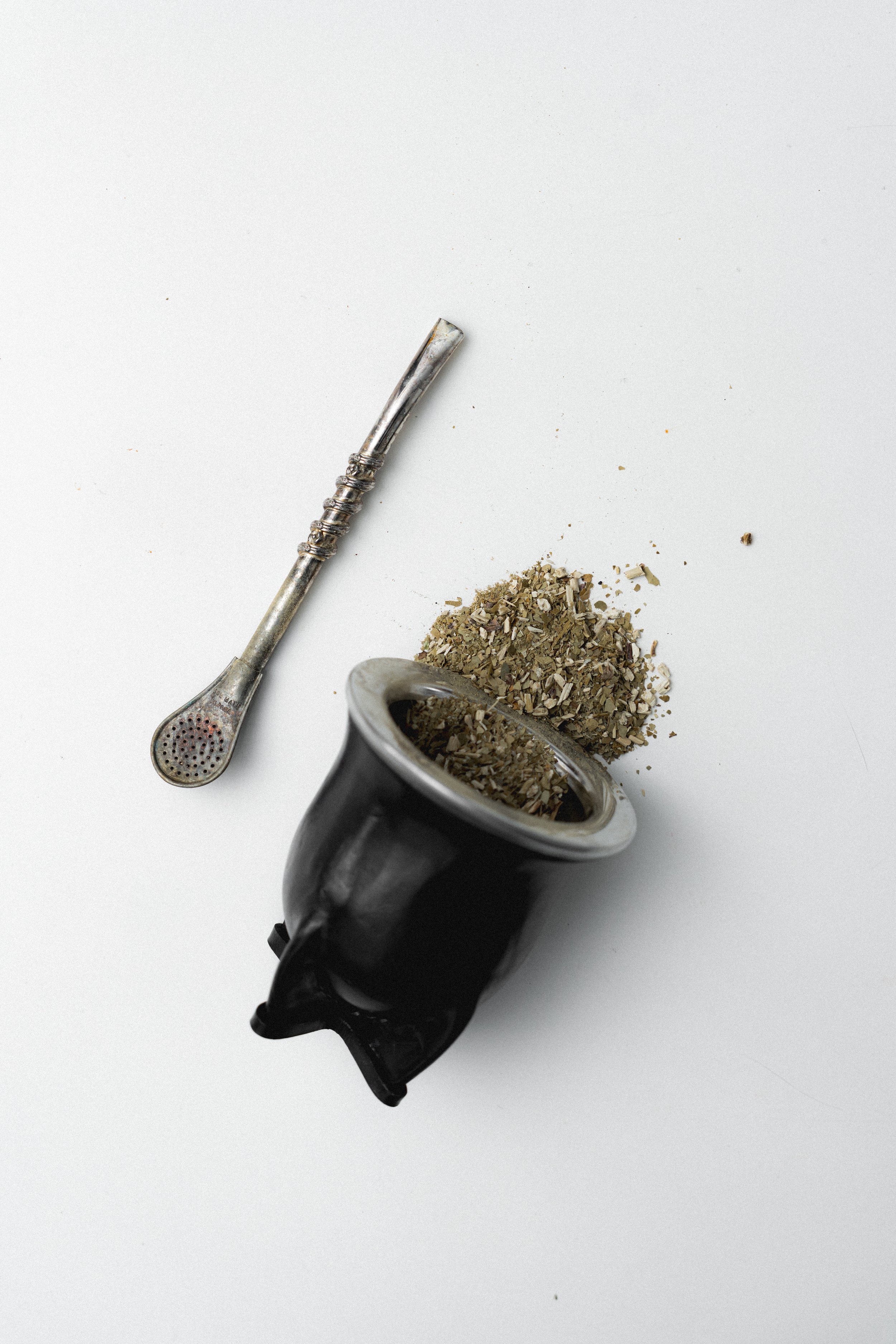
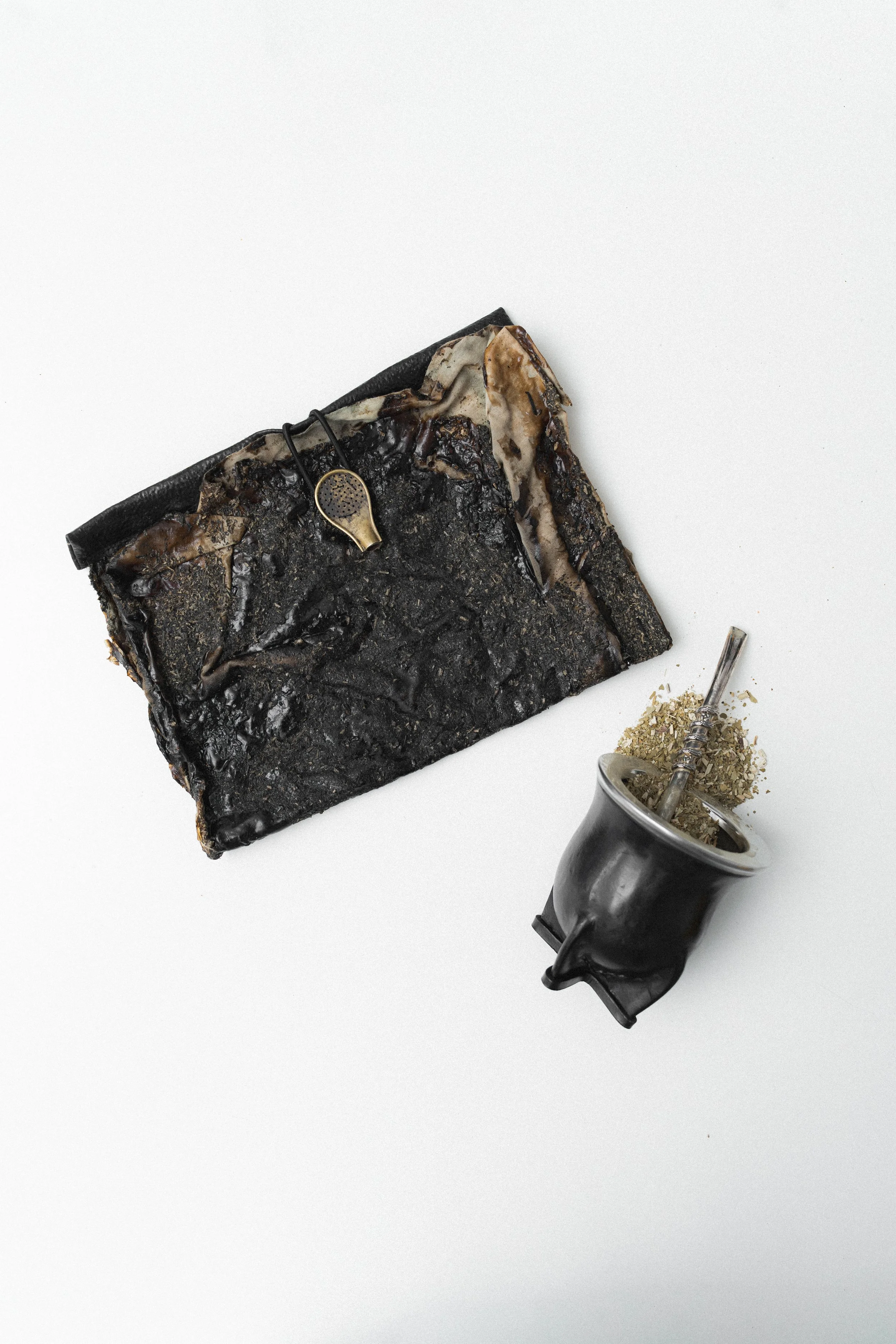
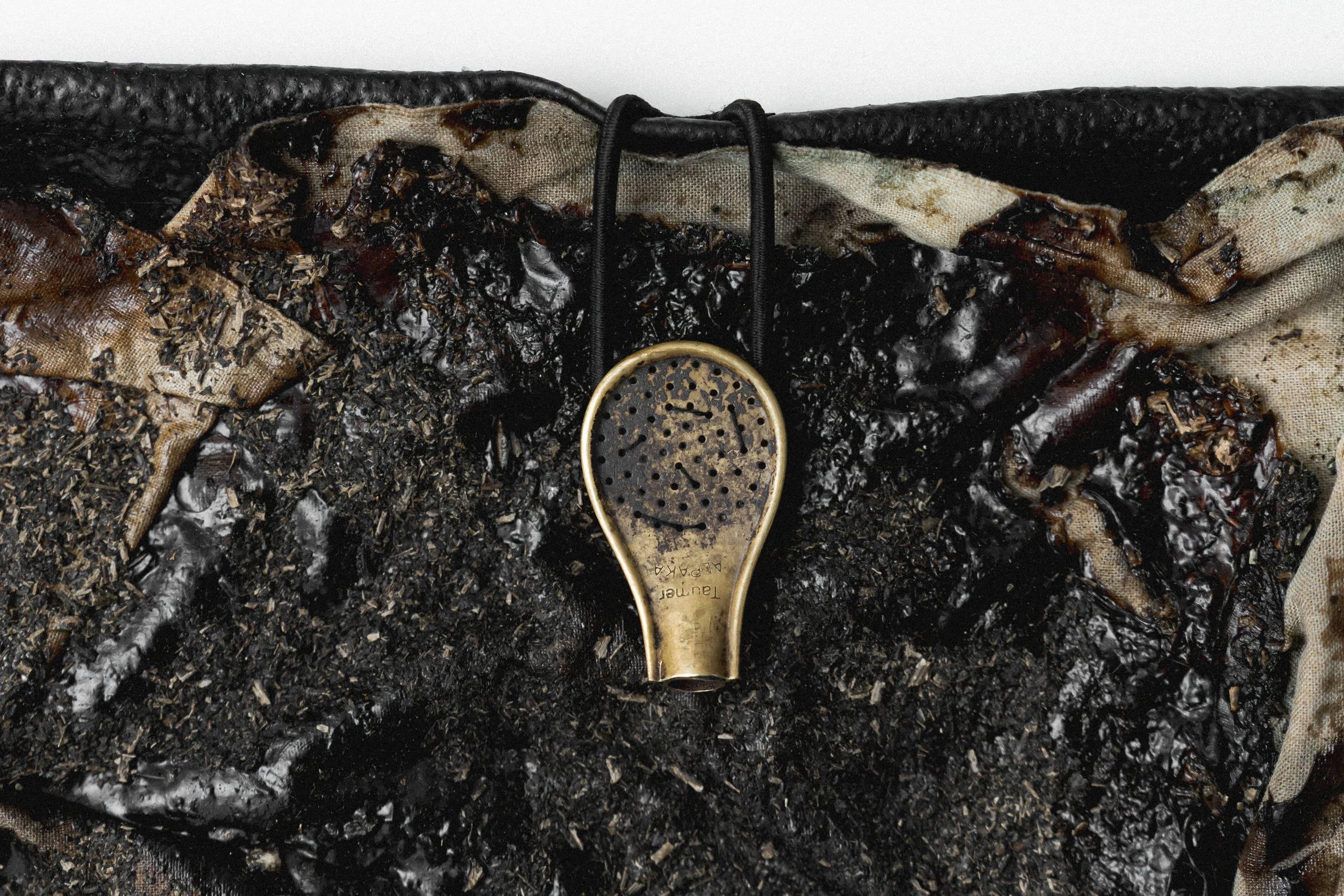
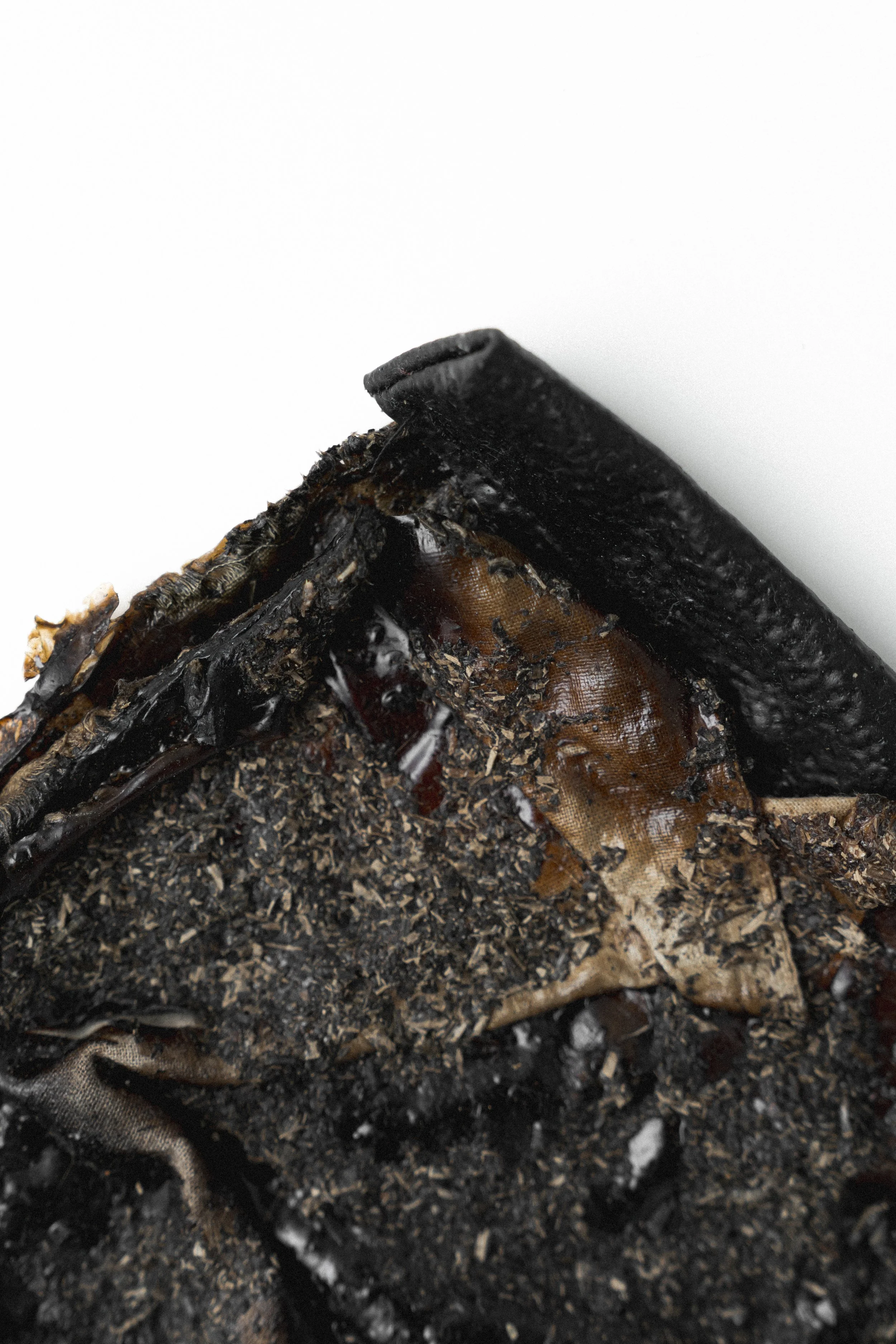
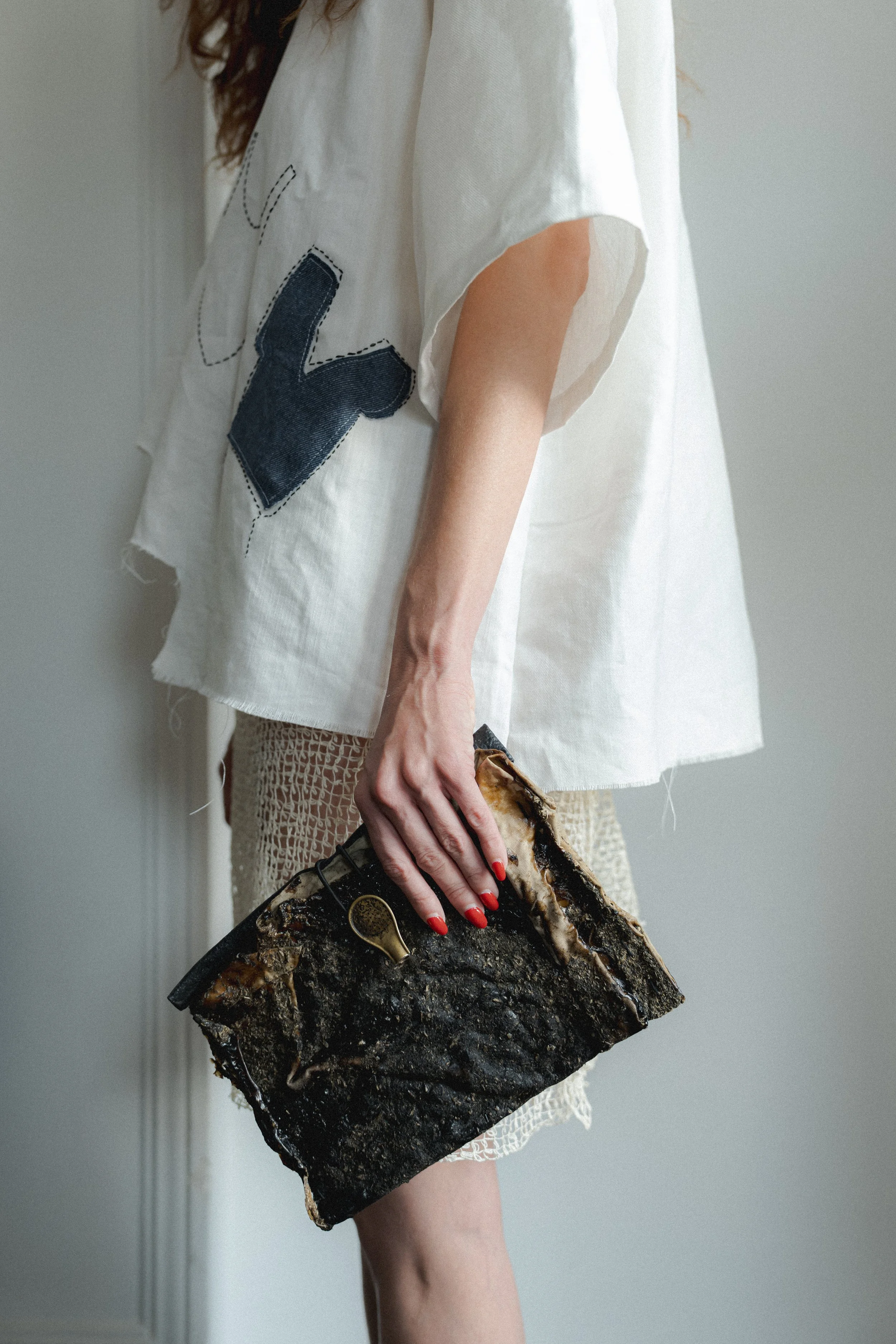
Yerba mate is deeply embedded in South American culture — but its potential extends far beyond the cup. TEREREMATE transforms mate production waste into a functional biomaterial, applied as a coating and natural dye on cotton fabric. The process not only diverts organic waste from landfill but imparts new material properties to the textile, expanding its performance and aesthetic possibilities. The outcome is a bag that embodies circularity and regenerative design principles, rooted in traditional knowledge and cultural heritage. TEREREMATE proposes that the future of materials can be grown, brewed, and reimagined.
The New Skin of Luxury
NonfINALIST PROJECT
Maya Issa, Abril Peral
For centuries, ornament in fashion was linked to material value. Gold, silver, glass and gemstones decorated the body while symbolizing wealth, power and status. In the 20th century, industrialization transformed this relationship. New materials such as plastic reproduced luxury aesthetics through more accessible means, shifting the value of ornament from the rarity of materials to design, composition and visual impact. Luxury became increasingly defined by ornamental language and cultural meaning rather than material worth. Today, biomaterials represent a new stage in this evolution. If plastic transferred value from material to design, biomaterials invite us to rethink luxury through innovation, sustainability and regeneration. This proposal explores how contemporary ornament can be redefined through bio-materials, where value lies not only in decoration but also in the processes, meanings and ecological relationships that ornament embodies.
Essentia – Ephemeral Adornments
NonfINALIST PROJECT
Paula Iglesias Alves
Essentia explores temporary adornment through biodegradable materials, challenging the idea of jewelry as a permanent object. Instead, it proposes wearable pieces designed to gradually dissolve through contact with water and the skin, transforming adornment into a sensory and time-based experience. The project investigates the lifecycle of materials, the relationship between body and object, and the application of circular design principles. The pieces are made from recycled coffee grounds, which retain natural oils, caffeine and cellulose particles that provide gentle exfoliating properties and stimulate microcirculation, combined with a natural biopolymer matrix derived from plant-based cellulose and starches. This binder provides flexibility, structural stability and controlled dissolution while remaining skin-safe, biodegradable and free from artificial residues. Through this approach, Essentia reimagines ornament as a regenerative and ephemeral practice.
CATALOGUE OF BIOMATERIALS RESEARCH
NonfINALIST PROJECT
JANA ROVIRA TORRAS, IRIS KULL
This presentation features a selection of projects developed by students of the Textile Products and Sustainability course at LCI Barcelona. Through research focused on biomaterials, students explored the potential of bio-based materials as more sustainable alternatives to conventional materials used in the textile and design industries. Each project is based on experimentation with a specific biomaterial recipe, analyzing its properties, behavior, applications and limitations. The process combines research, material development and critical evaluation to assess its potential within real design contexts. This selection offers an insight into the possibilities biomaterials present for promoting more responsible, circular and sustainable approaches to textile product development.
Instructors 2026
Blanca Aizpurua is a fashion designer and biodesigner specialized in biomaterials and regenerative fashion. She is the founder of Fille Sume, an experimental brand focused on compostable garments designed to return to the earth. With a background in Fashion Design from Istituto Marangoni and a Master’s degree in Innovation and Technology in Fashion Design from BAU, she combines material research, design practice, and sustainability. Her work explores the intersection between nature, technology, and fashion systems, proposing alternative production models based on circularity and regeneration. She currently teaches at LCI Barcelona, where she focuses on biomaterials, experimental processes, and emerging regenerative design methodologies.
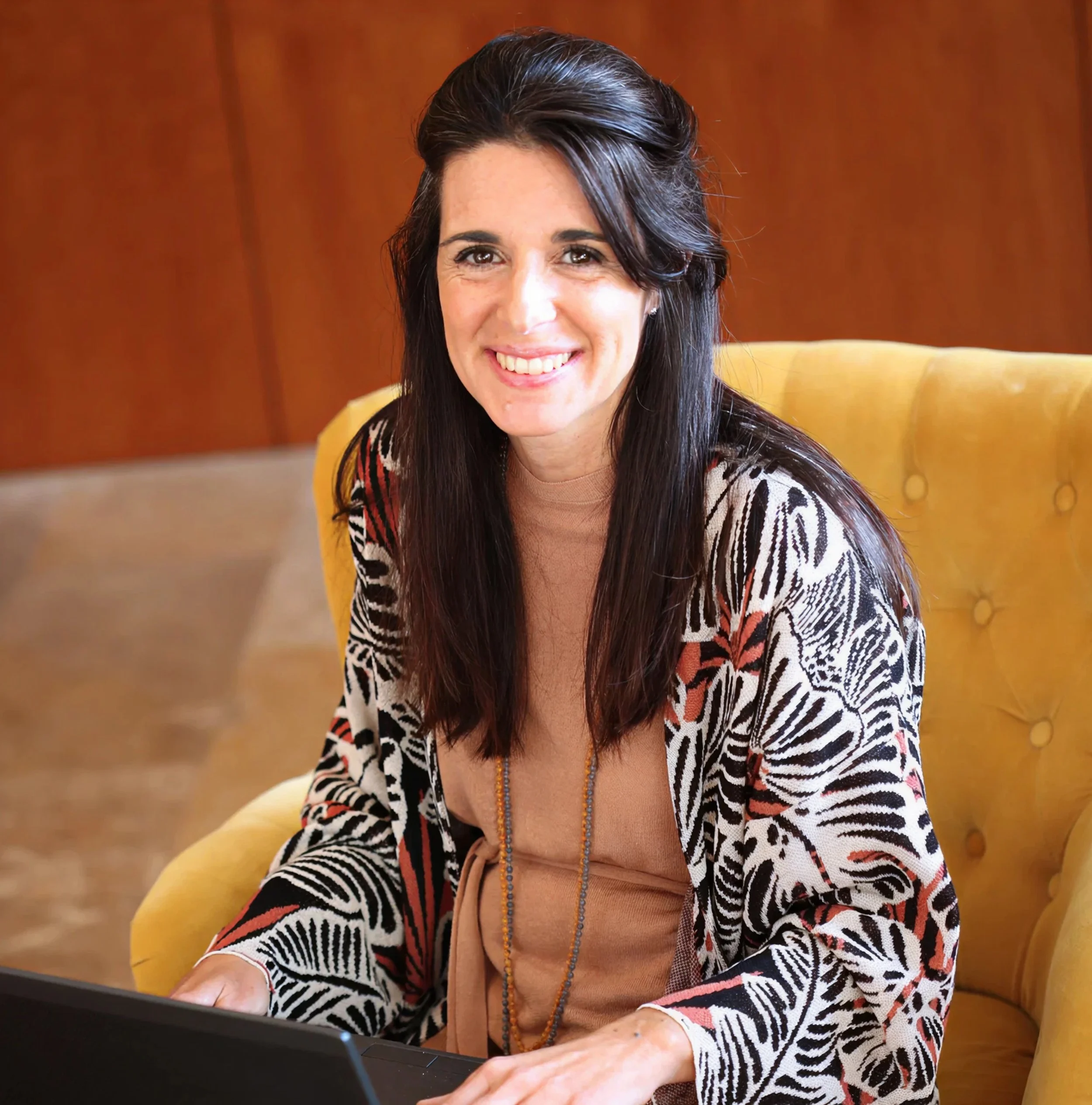
Romina Fazio is a fashion retail and textile strategy expert with over 20 years of experience across women’s and childrenswear in the Iberian market. She is co-founder of SLOWBIZ, a consultancy studio that supports emerging fashion brands in building ethical, sustainable, and commercially viable strategies. With a background in Industrial Fashion Design, she has held senior roles in retail management, product development, and commercial strategy for international fashion companies. Her work bridges brand identity, product development, team leadership, and distribution, helping brands align creativity, responsibility, and long-term business growth.
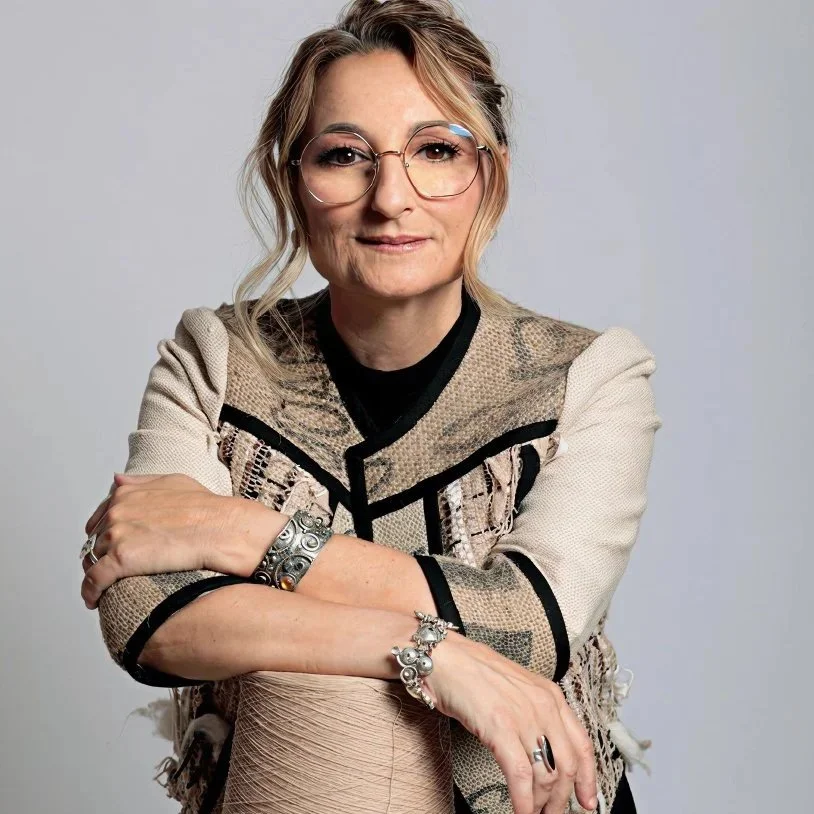
Sylvia Calvo is a circular fashion designer and entrepreneur specialized in regenerative materials and industrial symbiosis. She is the founder of Sylvia Calvo BCN, a pioneering label transforming post-industrial coffee sacks into innovative textile materials such as ReYutCel yarn and felt. With a background in Business Administration and a Master’s degree in Maritime Law and Business, she integrates design, supply chain knowledge, and circular economy principles into scalable material solutions. She serves on the boards of MODA-FAD and the Gremi Artesà Tèxtil, is a member of the Circular Economy Commission of PIMEC, and Regional Chair for Catalonia at CE G100. Her work has received international recognition, including the Green Product Award 2023, and she teaches circular materials and sustainability at LCI Barcelona.