
Politecnico di Milano
PROJECTS 2026
Amyko
FINALIST PROJECT
Silver Medal Recognition for Narrative and Concept
Davi Proite Galvani, Elia Sangregorio, Gaia Nicolini, Keren Remaliah Karsa
AMyko is a 3D-printable research instrument designed to address deep-sea plastic contamination: largely invisible, too far down to measure, too dispersed to collect. It deploys colonies of plastic-degrading marine fungi onto contaminated sediment via Remotely Operated Vehicles that already conduct research operations in the area. The shell is made from CMCSP, a bioplastic that dissolves in saline water, releasing the encapsulated fungi onto the target area. Additionally, the units can interlock into a mesh to cover surfaces of many sizes, and each deployment doubles as a field study on fungal behavior in real deep-sea conditions and improvements on the project. It is, first and foremost, a tool for researchers working on a problem that current science has barely begun to map.
Bio-set
Nonfinalist Project
Nicoleta Berdaga, Sara Bianco, Matilde Molinari, Gea Lucia Sanvido
We designed Bio-set, a modular system created to restore coastal marine ecosystems. It was developed in response to the eutrophication crisis that affects the Adriatic Sea and many other areas around the world. The protagonists of our project are mussels, which filter the water by reducing excess nutrients and suspended particles. We designed our structures to provide optimal conditions for mussel growth while also hosting many other species that can help repopulate the area. Every feature of the system, from the materials and shape to the parameters used for selecting application sites, has been designed based on scientific research and case studies. The broader system surrounding the product is designed to involve the local community and ensure direct engagement with people, providing a strong educational component.
(In)Visible: The Double Life of Microscopic Algae
Nonfinalist Project
Helena Frusteri, Rosa Jordan, Egeyaman Gengor, Ricardo de Jesus Monterroso
(In)Visible is a speculative biodesign installation that explores the paradoxical nature of dinoflagellates, microscopic marine organisms that are both essential to life and capable of causing ecological devastation. While these algae contribute significantly to oxygen production and support marine ecosystems, under certain conditions they can trigger harmful algal blooms known as red tides. The project translates this duality into a site-specific experience through two sculptural interventions: biodegradable chairs made from microalgae-based bioplastic and a large corroding hand that gradually reveals a bio-cement skeletal structure inspired by coral formation. By contrasting beauty and destruction, visibility and invisibility, the installation invites audiences to reflect on the fragile balance of marine ecosystems and the impact of human activity on ocean health. (In)Visible aims to foster awareness and inspire action through the convergence of art, science, and ecological design.
MantaFlow Filter
Nonfinalist Project
Umut Dündar, Aida Flecha, Tianli Cui, Olaf Grzegory
The project addresses Microplastic pollution in aquatic environments, focusing on rivers. Our main goal is to create a non-clogging filter that digests microplastics in a semi-autonomous way (with as little need for human maintenance as possible). Main features of the project are:
Manta Ray inspired filter
Bacteria able to digest microplastics
Sea sponge-like structure to house bacteria
The idea is that the filter firstly separates plastics from water and directs it to the sea sponge chamber with bacteria who start digesting them.
Instructors 2026
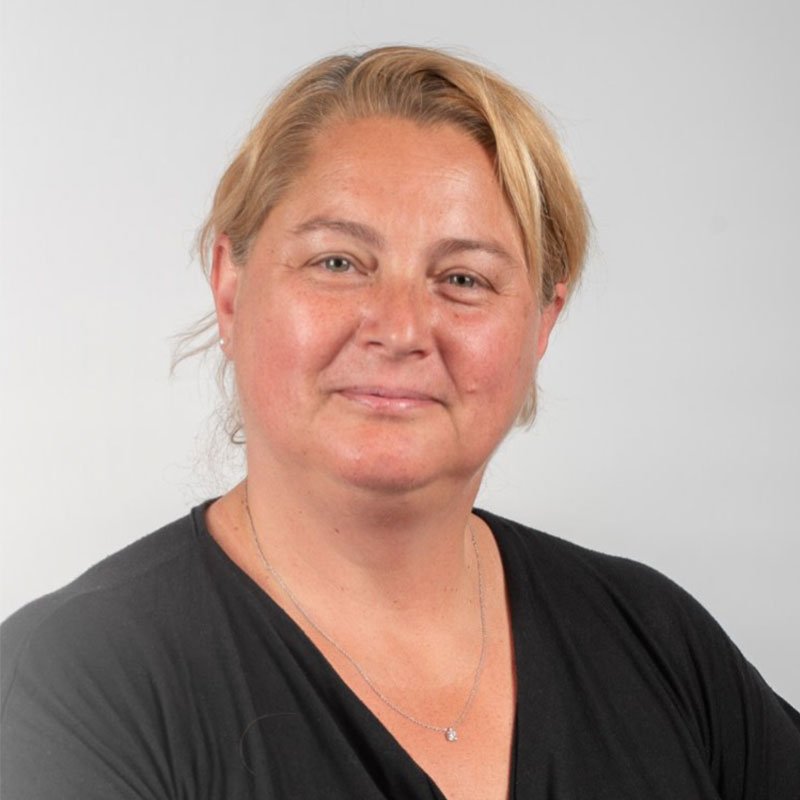
Valentina Rognoli is Associate Professor at Politecnico di Milano, where she works at the intersection of materials design, biodesign, and regenerative approaches. With over twenty years of research experience, her work focuses on DIY materials and experimental practices as tools to rethink how materials are designed, produced, and valued. She leads the Materials Design for Transition research group and is the founder of B.Lab, a research initiative dedicated to materials experimentation and biodesign. She is also Director of the Master in Design for Sustainability and Regeneration at POLIDesign. Through research and education, she explores the role of materials design in supporting ecological transition and more responsible design futures.

Malu Lücking is a PhD candidate at Politecnico di Milano, where she is part of the Materials Design for Transition research group in the Design Department. Both a researcher and a practitioner, she works at the intersection of biodesign and marine ecology. Her research investigates how design can engage with oceanic systems—exploring sea-derived materials and living processes as environmentally sustainable alternatives to terrestrial resources, and as opportunities to collaborate with, rather than merely extract from, marine life. Her work has been internationally recognised for bridging material innovation with marine science and for envisioning a more symbiotic relationship between design and the sea.
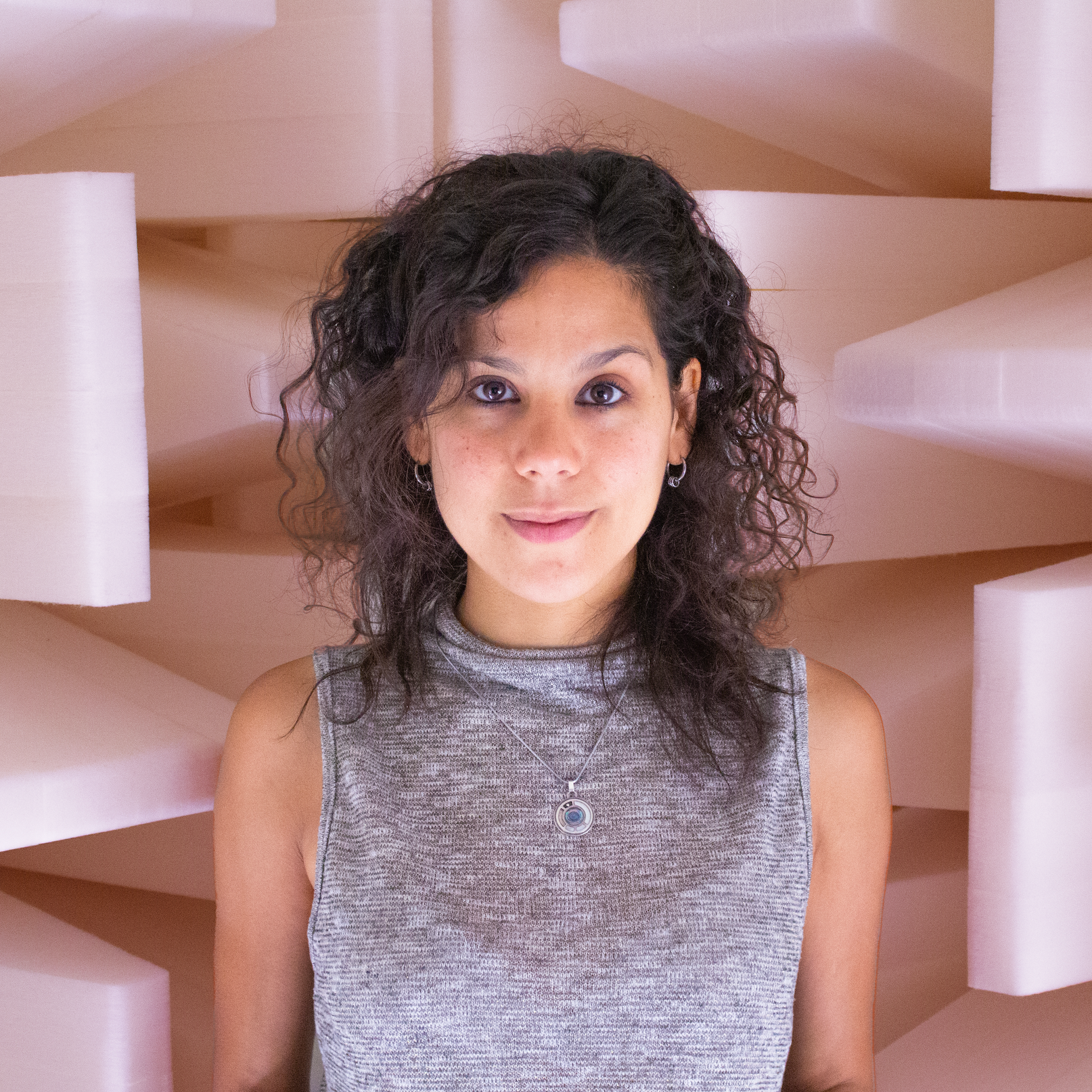
Sofia Soledad Duarte Poblete is a Doctor in Design and currently post-doctoral researcher, product designer, and lecturer from Politecnico di Milano. Her research focuses on materials-driven design for environmental sustainability and ecological regeneration, exploring emerging practices and traditional knowledge. She is didactic coordinator of the Master in Design for Sustainability and Regeneration at POLI.design and is lecturer across different design courses. Her interests are Biodesign, DIY-Materials, craft knowledge, experimental processes, with an emphasis on contemporary material experiences and identities to foster circular economy, sustainable and regenerative design. She is part of Materials Design for Transition and Design Intelligences research groups at PoliMi.