
Instituto Tecnológico y de Estudios Superiores de Monterrey Campus Puebla + Campus Guadalajara
PROJECTS 2026
Vestigia

FINALIST PROJECT
Silver Medal Recognition for Narrative and Concept
Juan Emilio Cañedo Ortiz, Karen Lizeth Ruiz Guzmán, Emily Aurora Carrillo, María Isabel Galicia Huanitl
Vestigia is a biomaterial-driven housing proposal that rethinks conventional construction by replacing extraction-based building practices with a circular, community-led approach. Located in Peña Colorada, Querétaro, Mexico, it addresses both housing shortages and environmental degradation by reusing local material fragments bonded with a grenetin-based bioadhesive. These components form adaptable, repairable, and low-impact wall systems for incremental self-construction. By treating building as a process of repair and reuse, Vestigia reduces waste, extraction, and ecological damage while empowering communities.
SOMA: Mutualistic Care
Nonfinalist Project
Sofia Berania Ramirez Nahuacatl, Mariana Muñoz Villanueva y Evelyn Abigail Pascual
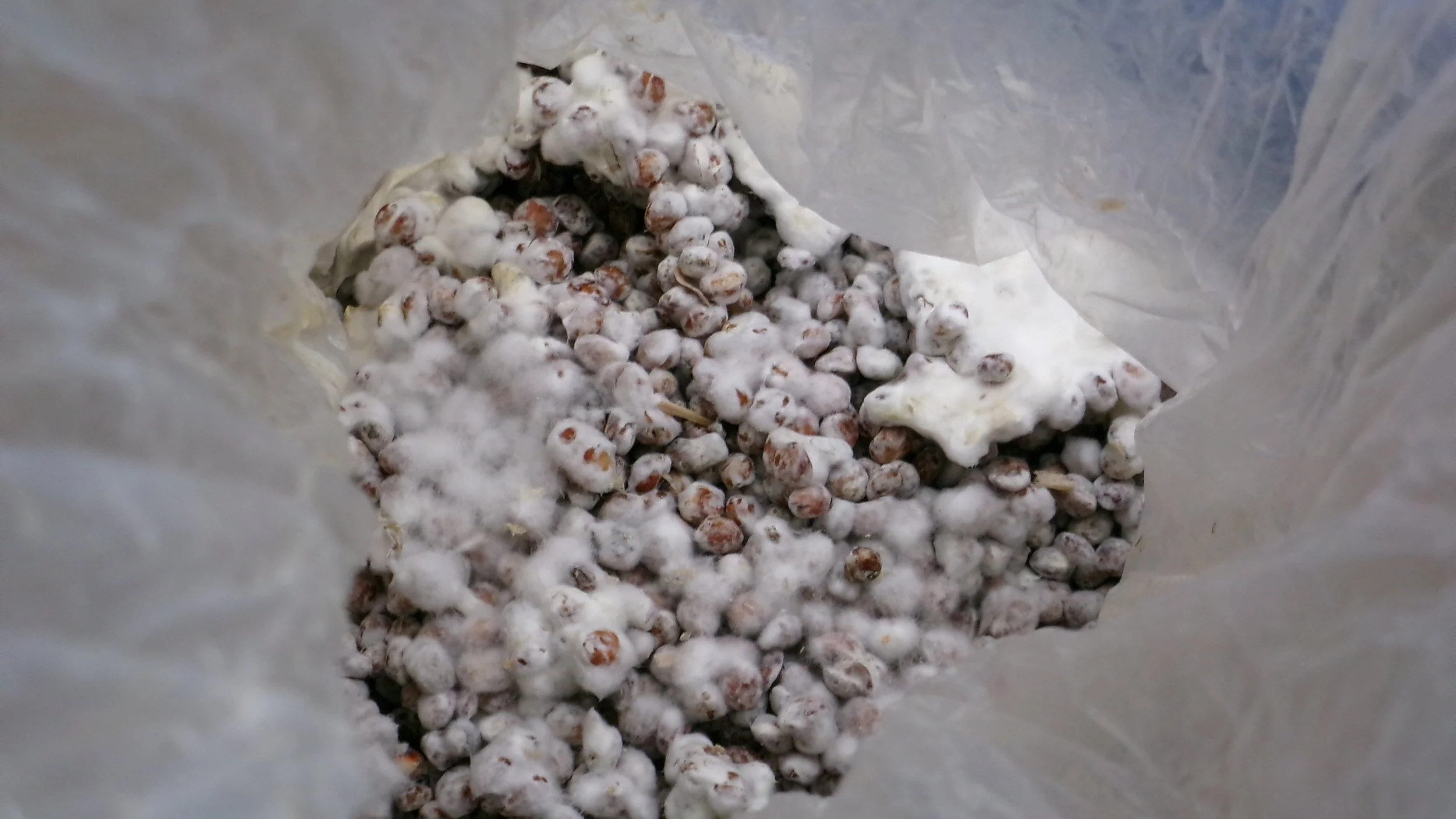
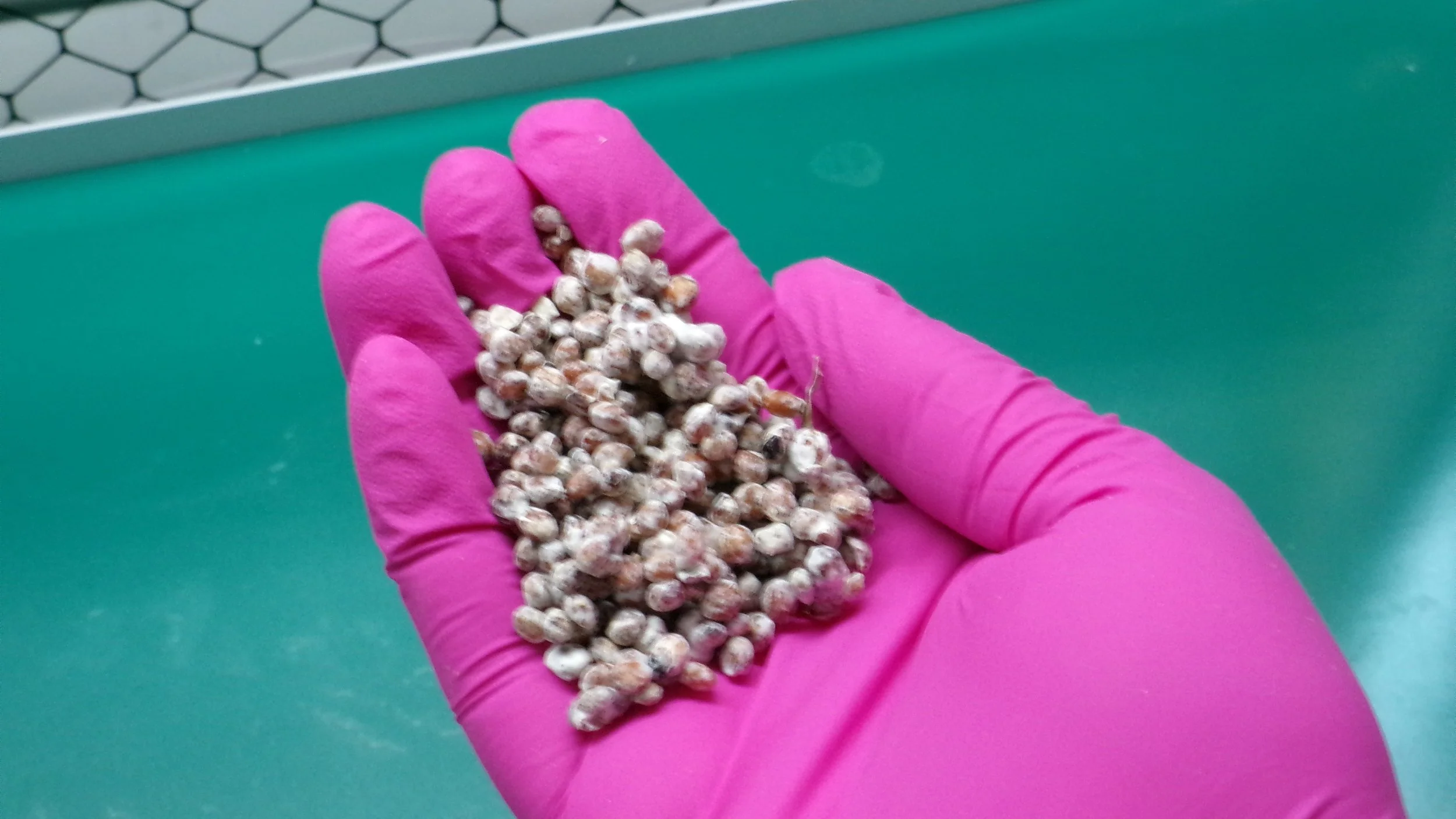
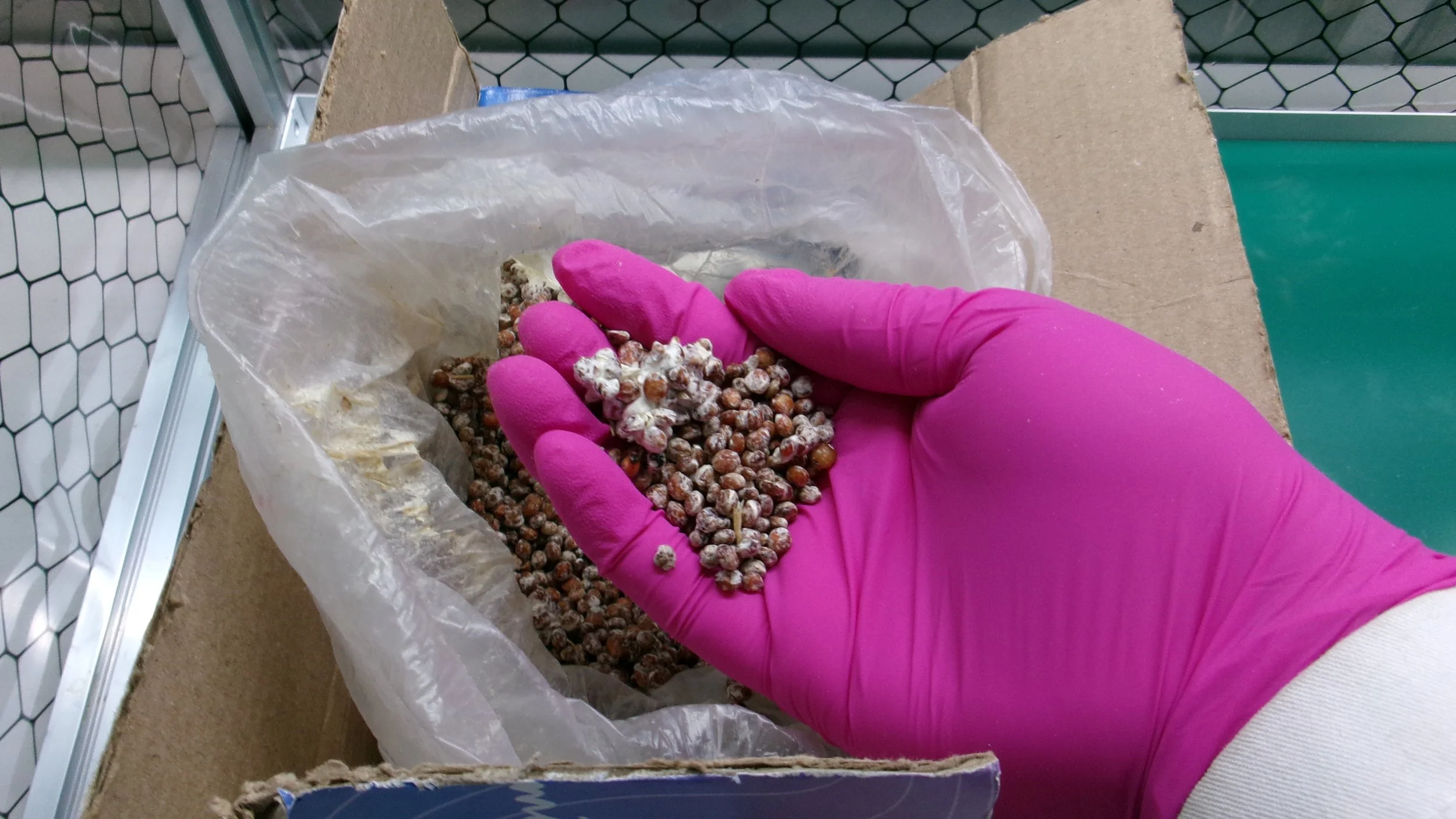
SOMA is a biofabricated pavilion that explores how cities could be designed according to the rhythms of living organisms rather than extractive models of growth. Responding to fragmented urban ecosystems, it combines mycelium composites and bacterial cellulose to create spaces that support multispecies coexistence. Structural mycelium columns support a lightweight cellulose canopy, generating shaded microclimates for people, birds, insects, and plants. Developed through material experimentation, the project incorporates natural pigments and embedded native seeds. Conceived as a living system, SOMA gradually biodegrades and returns to the environment, demonstrating how architecture can contribute to ecological regeneration and adaptive urban futures.
Biopass
Nonfinalist Project
Anna Lucía Arrola, Luz Ángela Solano and Edgar Eduardo Robledo
Biopass is a pavilion created using biomaterials such as mycelium, alginate, reed, and clay. It also integrates bacteria for water filtration, capable of adsorbing heavy metals from the Atoyac River, one of the most polluted rivers in Mexico. In addition, the pavilion helps purify the air, addressing another environmental issue associated with the river. Its purpose is to contribute to the bioremediation of the Atoyac River and serve as a model for restoring other rivers facing similar environmental challenges.
HYPHA
Nonfinalist Project
Ana Paola Moreno García, Carlos Alberto Durán Luna, Santiago Ventura Cerezo
HYPHA is a biofabricated pavilion designed for the Parque Ecológico Revolución Mexicana in Puebla, Mexico. The project explores how architecture grown from organic waste can become part of the site’s natural cycles, creating a space for both human contemplation and ecological interaction. Inspired by the role of butterflies as essential pollinators, the pavilion provides an attractive habitat that encourages their presence through the use of biomaterials and organic forms. Its modular system combines bamboo, mycelium blocks, and bacterial cellulose sheets, materials selected for their biological origin, low environmental impact, and biodegradability. Through biofabrication processes, organic waste is transformed into functional architectural elements that can eventually return to the soil through composting, proposing a regenerative and circular approach that strengthens the relationship between people, wildlife, and the environment.
Nomad Cities
Nonfinalist Project
Angelica Adanary Sosa Belmonte, Fabrizio Iosef Lugo Ibarra
Nomad Cities is a speculative architectural proposal rooted in a real act of displacement. In 1965, the construction of the El Infiernillo dam flooded the original town of Churumuco, Michoacán, submerging its buildings and forcibly relocating its community. Decades later, when water levels drop, the ruins re-emerge: an unrepeatable encounter with physical memory that cannot be reinhabited, monumentalized, or digitized without falsifying it. The proposal responds with a nomadic architectural unit assembled from reclaimed ruin fragments and lightweight biofabricated systems. It is organized into four components: a Memory Core (protected interior archive of objects and fragments), a Structural Exoskeleton (recovered steel armature), a Living Tissue (translucent skin of ixtle fibers and algae-based biopolymer that filters light, regulates temperature, and reconstructs missing volumes), and a Locomotion System (articulated supports for movement across terrain).
Coral Cities: A New Habitat
Nonfinalist Project
Jose Manuel Martinez Navarro, Leonardo Estefano Olalde Olalde, Sofia Camarena Rodriguez
Urban Coral is a bio-integrated system that colonizes the residual voids produced by extractive capitalism — the friction zones where financial power and urban marginality collide, the ravines the city buried, the land speculation left behind. Built with MICP biocement mineralized by Sporosarcina pasteurii, the structure grows following biological logic, not political agenda. It programs three simultaneous conditions: a wetland zone that restores what the city erased, a collective threshold where unequal worlds meet under a living vault, and a pollinator garden produced by the controlled degradation of the material itself. The system is not permanent. It is designed to die — leaving fertile soil, clean water, and stable microclimate where speculative vacancy once stood. Urban Coral does not repair the contradictions of the city. It grows from them, creates conditions for non-human life, and withdraws. What remains was never ours to keep.
INTERSER
Nonfinalist Project
Ángela Isabel Rocha Fuentes, Yessica Medina Díaz, Erandi Ailyn Romero Ramos, Ximena Aguirre Solís
INTERSER is a biofabricated pavilion that transforms agricultural waste into regenerative architecture. Using locally abundant materials such as corn stover, stalks, leaves, and cobs sourced from Tepeteopan, Tehuacán, the project employs mycelium and bacterial cellulose to create living building components. Inspired by mycelial networks, the pavilion fosters relationships of interdependence between community, nature, and technology. Its approach is grounded in circular economy principles, where waste is transformed into valuable resources and, at the end of its life cycle, returns to the soil through biodegradation processes. INTERSER proposes a cultivated, temporary, and regenerative form of architecture.
Tlalli
Nonfinalist Project
Yves Fonseca López
It consists in a device that you can stick it in the chinampas. This device will have many measure sensors (three of them are separated). One is for climate, other one is for soil, and the last one is for water level on the chinampa. Chinampas are artificial islands above lakes where you can cultivate 3-7 times a year. This system will help chinampa farmers to make choices with certainty based on current data.
LUA. Sistema Modular Preventivo para Lactancia
Nonfinalist Project
Yuliana Mérida, Karen Larios, Angelica Roldán
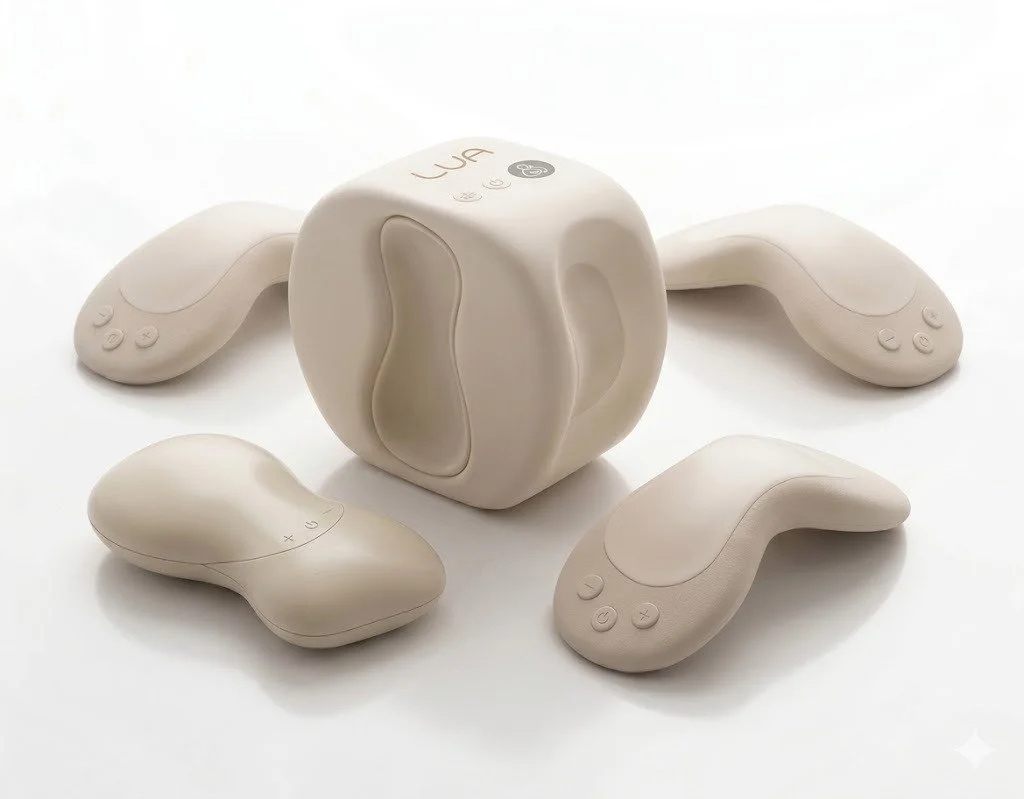
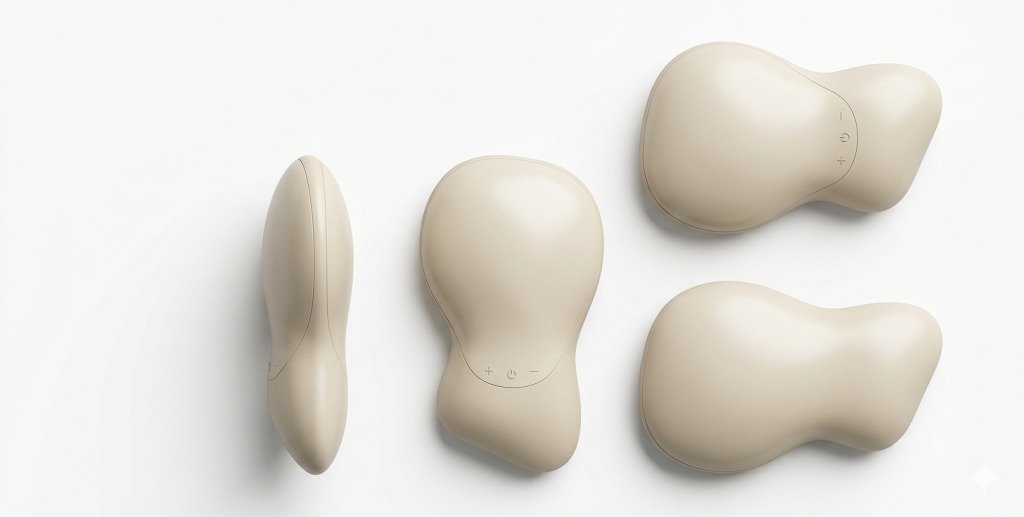
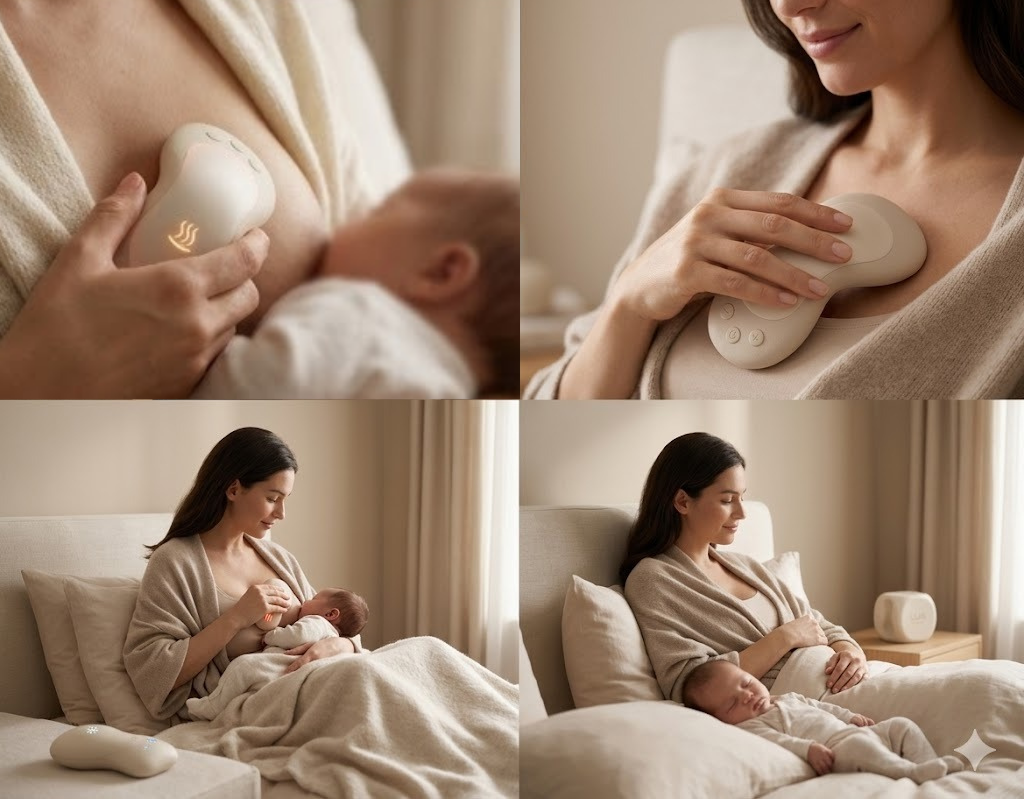
LUA is a modular, preventive breastfeeding system designed to help mothers prevent and manage complications such as engorgement, blocked ducts, inflammation, and mastitis. The project was born from the realization that many women give up breastfeeding due to pain, uncertainty, and a lack of tools for timely intervention—despite the benefits it offers both mother and baby. The system consists of a central base and four interchangeable modules—heat, cold, massage, and vibration—that facilitate milk flow, reduce inflammation, stimulate drainage, and provide physical relief. LUA integrates various forms of therapy into a single, adaptable platform, fostering prevention, self-care, and the early detection of complications. More than just a product, it seeks to empower mothers to continue their breastfeeding journey with greater confidence, well-being, and professional support.





Arova
Nonfinalist Project
Arantza Ibarra Granados, Romina Tapia Hernández, Alexandra Cruz Delgado, Francisco López-Sosa
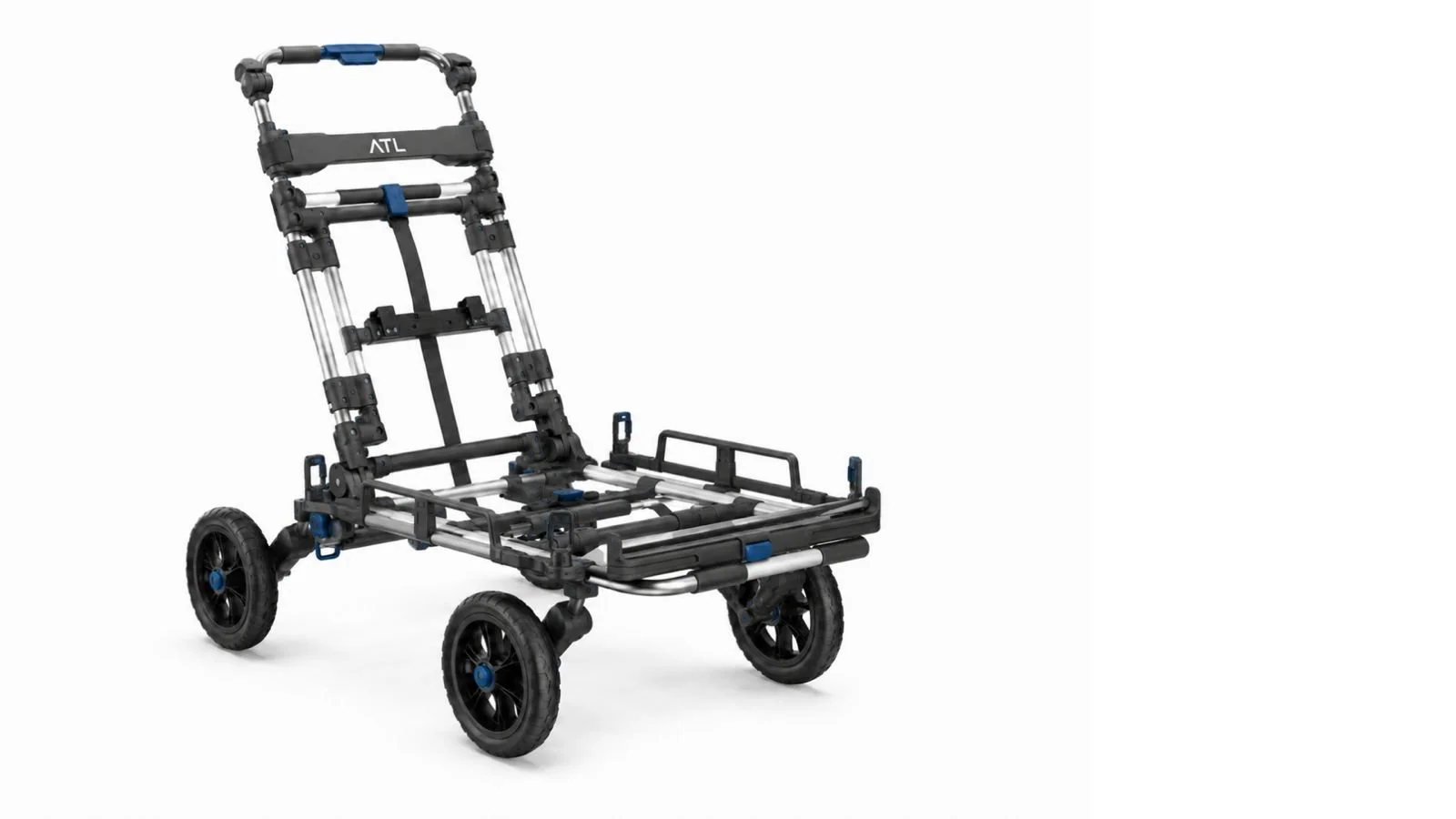
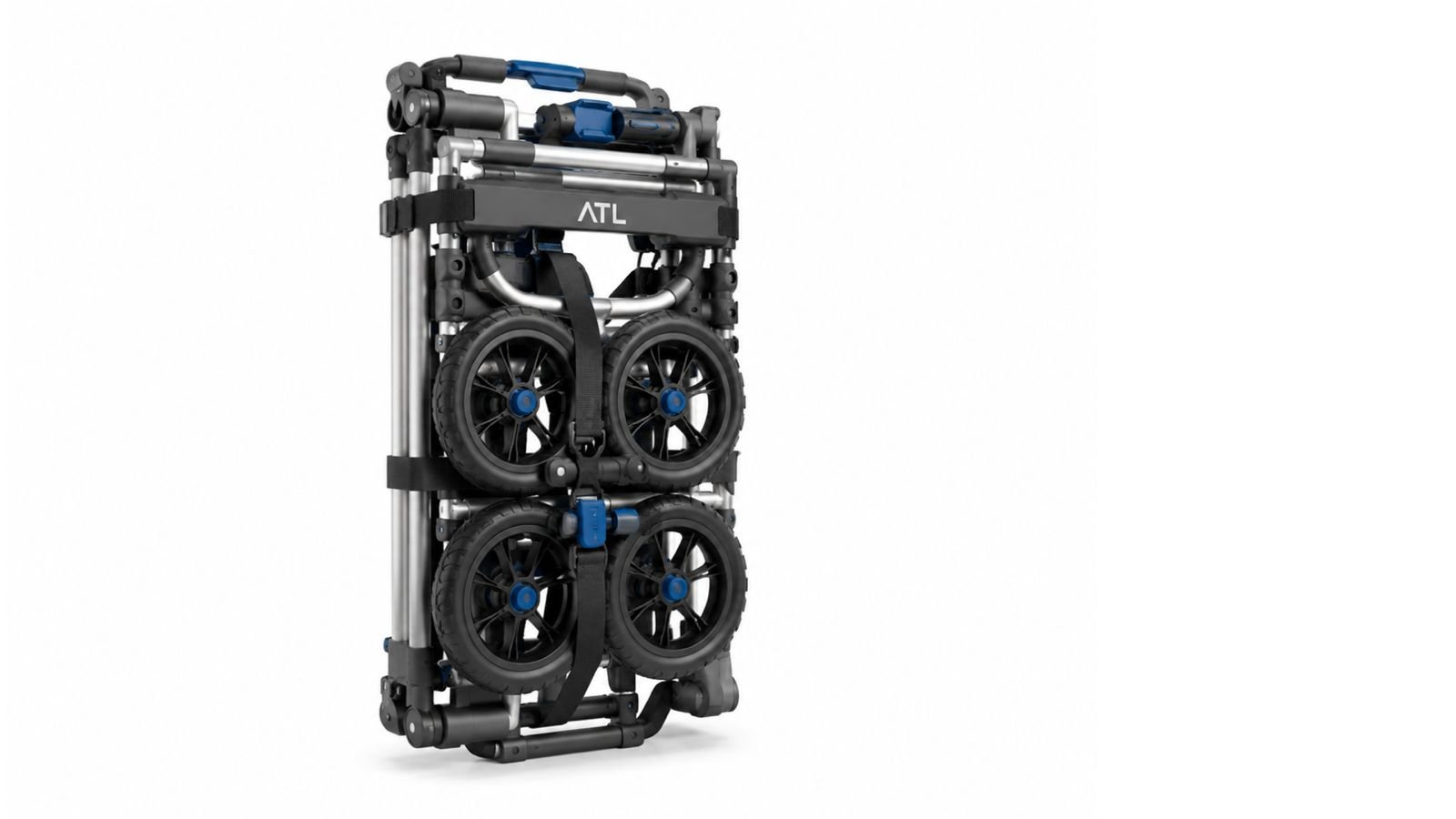
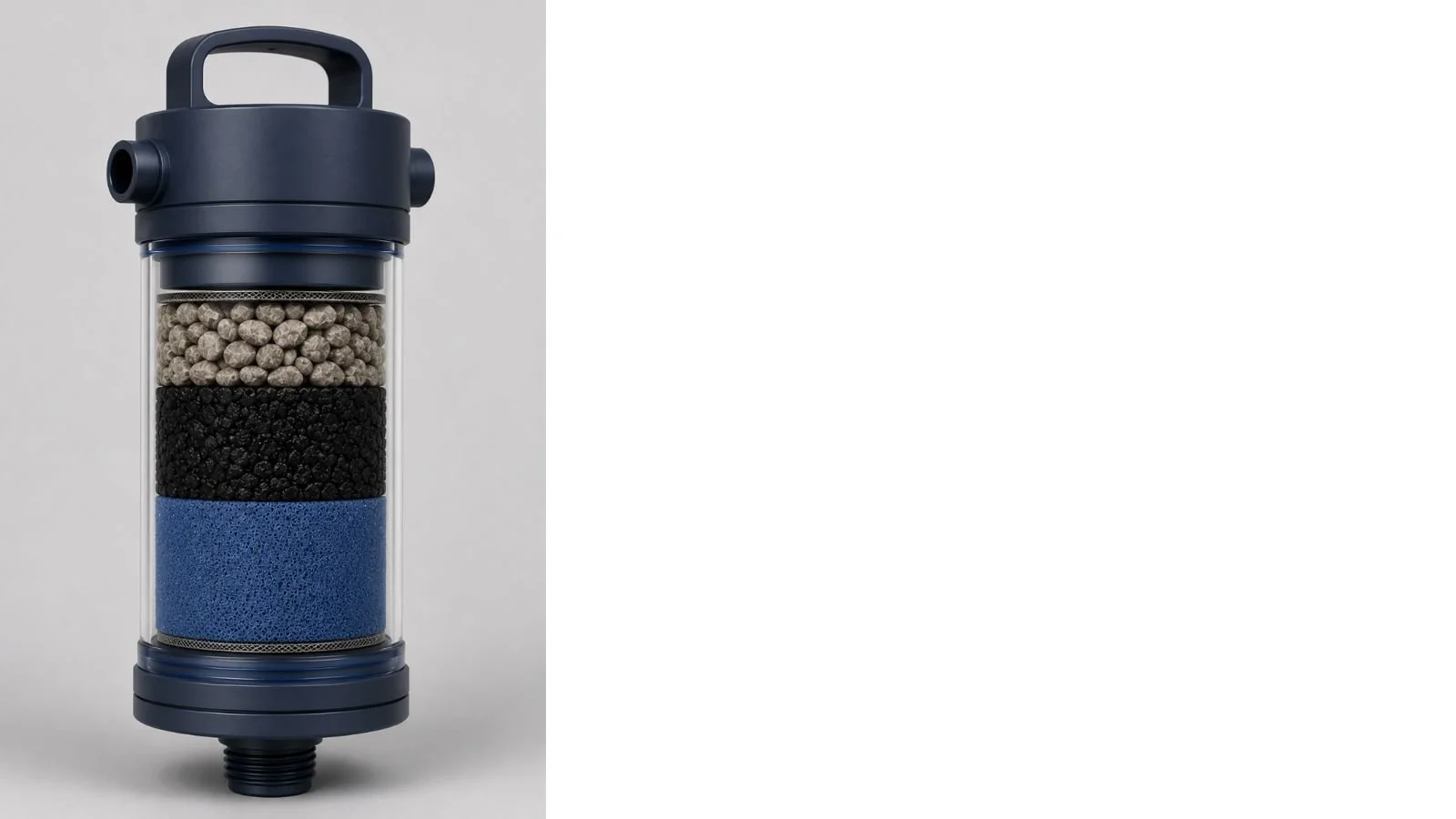
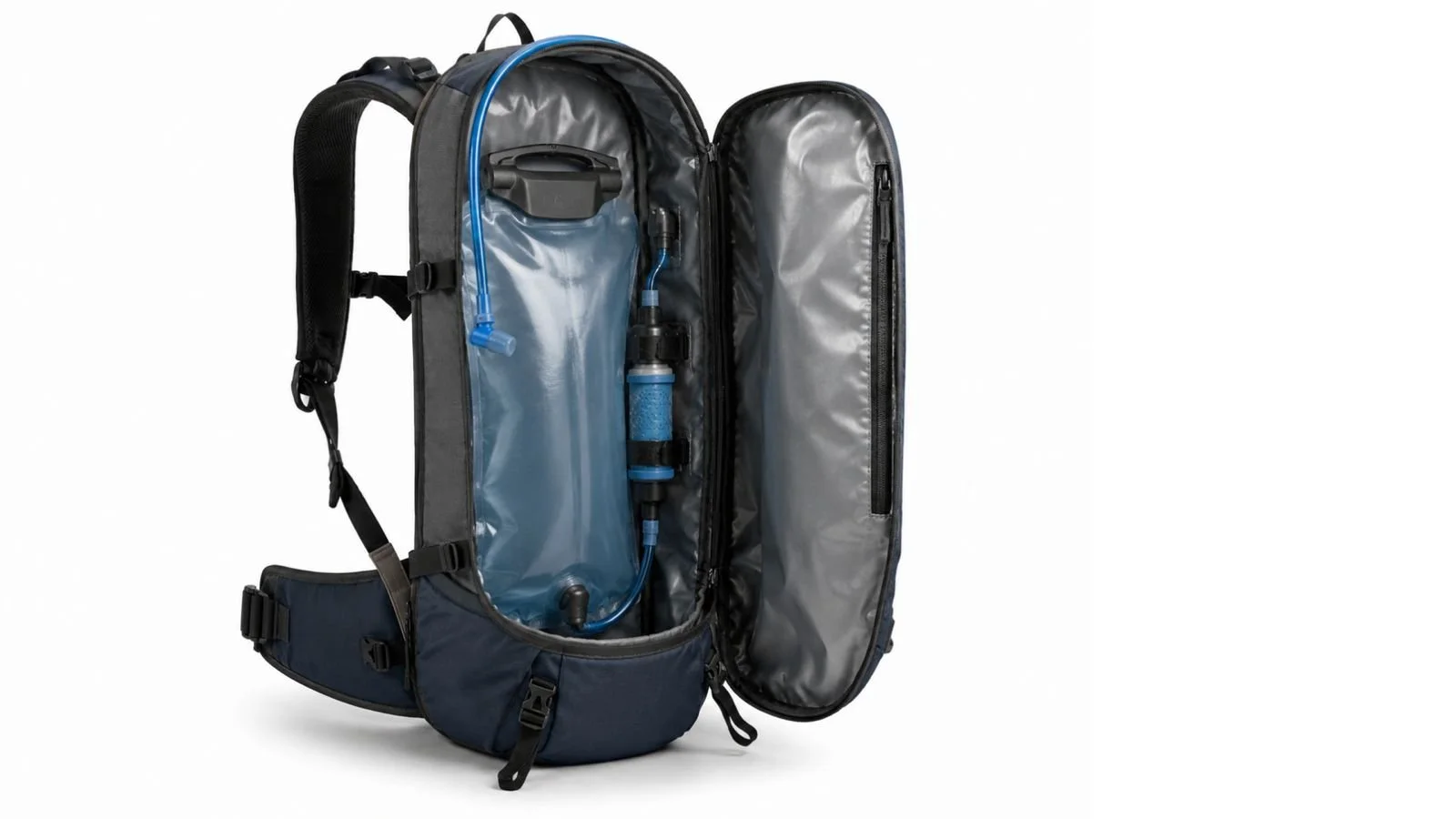
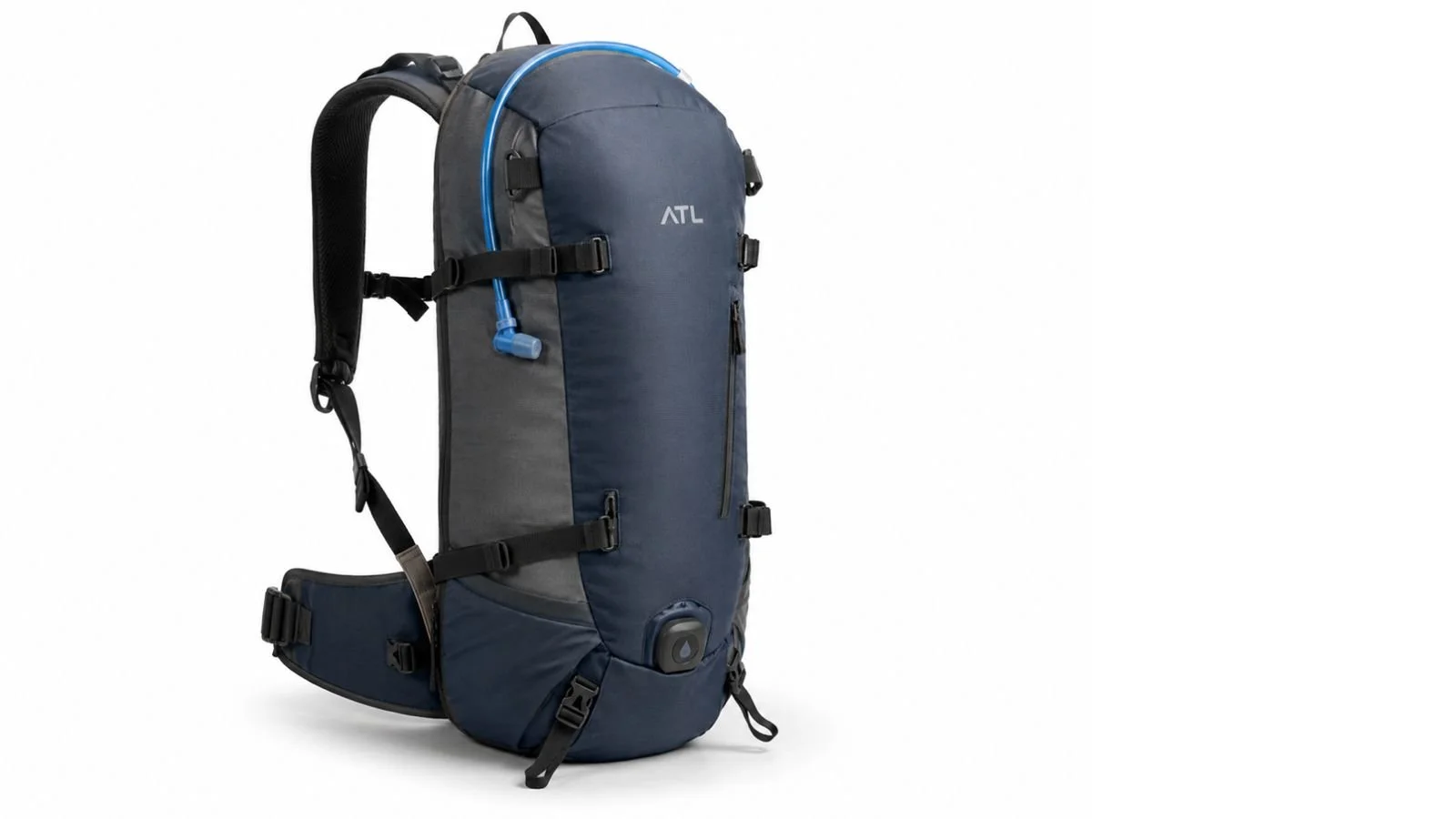
Arova is a project that we developed to address the challenges that many rural communities face when accessing clean water. Through interviews and field research, we learned about the physical effort required to collect and transport water, especially for women who are often responsible for this task. Our proposal combines water collection, transportation, and filtration into a single portable system designed to reduce physical strain and improve access to safer water. The project focuses on creating a solution that is ergonomic, practical, and affordable for low-resource environments. Throughout the design process, we explored different mechanisms, materials, and user needs to ensure that the solution could adapt to real-life conditions. Beyond solving a functional problem, Arova aims to improve people’s quality of life by making water collection safer, more efficient, and more sustainable, while also creating the potential for future implementation in different communities.
BOTH
Nonfinalist Project
Valeria Tannos Peto, Ana Carmina de la Peña Sales, Valeria Pelcastre Reyes
This project focuses on the development of a biodegradable surgical gown designed for healthcare professionals, especially surgeons who perform long procedures. It responds to two key problems: the large amount of hospital waste generated by conventional disposable gowns and the discomfort they can cause during use, such as heat, limited mobility, and fatigue. The gown is made with bamboo-based fabric and a water-based hydrophobic coating, free of PFAS, to provide protection against splashes and fluids while reducing the use of plastic materials. Its design includes reinforced areas in critical zones, breathable sections, secure seams, and a comfortable system for donning and removal. The proposal also considers sustainable packaging using medical-grade crepe paper, sterilization indicator tape, and cardboard. Overall, the project offers a functional, safer, and more environmentally responsible alternative for disposable medical gowns.
Instructors 2026

Anabel Barreda is an Architect from the Tecnológico de Monterrey (2011), she has collaborated in various institutional, commercial and residential projects in architecture, interior and urban planning offices in the city of Puebla. Founding partner of the defunct architecture firm RA3 Arquitectura, since 2016 she teaches classes in the Architecture and Interior Architecture courses, currently director of the Creative Studies Entry at the EAAD TEC Campus Puebla. In addition to participating in various projects within the academic community and giving talks or workshops related to speculative design, biodesign, speculative design or creative processes. Her interest in new thoughts and design processes and the way in which these can be applied to new teaching methodologies and information communication triggered her interest in biomaterials.
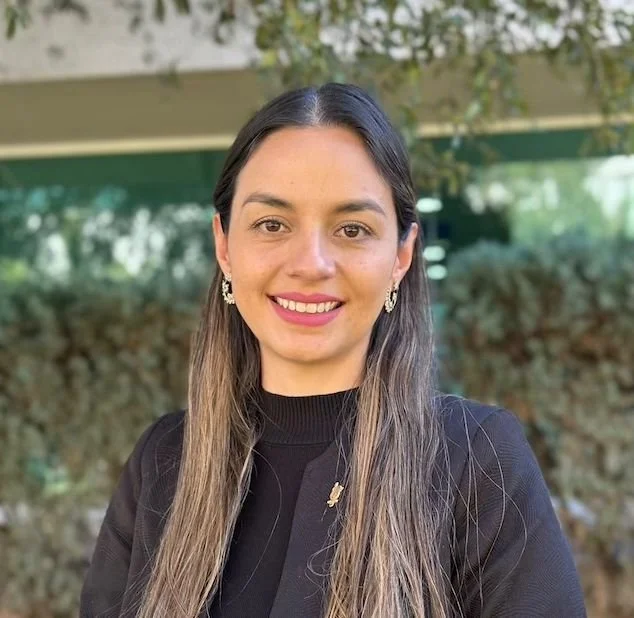
Celeste Ibarra is a professor and researcher in the Department of Bioengineering Centro-Occidente and National Director of the Biotechnology Engineering Program at Tecnológico de Monterrey. She holds a degree in Biotechnology Engineering and a PhD in Engineering Sciences. She completed a research stay at Jacobs University in Bremen, Germany, and is a Level I member of the National System of Researchers. Her research focuses on incorporating edible insects into a sustainable value chain. She is part of the flagship project Food Security and Nutrition, a guest editor and reviewer for scientific journals, and was recognized as a member of the Circle of Distinguished Professors in 2022 and 2023. She serves on the Board of Directors of the Mexican Association of Food Science (AMECA) (2023-2025), the CENEVAL Committee for IBT, and the Mentor Committee in Ingenia. She collaborated on the AMECA-CONAHCYT project promoting science, technology, and innovation in food sustainability.

Irma Cruz is a Pharmacological chemist graduated from BAUP. Master's and PhD in genetics and molecular biology from CINVESAV-IPN. Currently I work as a full-time professor and director of the biotechnology engineering program at the Tecnológico de Monterrey, Puebla Campus, where I have performed various functions such as: Coordinator of biotechnology laboratories, design of the TEC21 curricular plan and 2026 plans, organizing committee for Expo-Ingenierías and Biohack. I have developed educational innovation projects and implemented the Global Shared Learning Classroom. In the research area, I collaborated with Dr. Fabián Galindo at the BUAP Physiology Institute with the project to study intercellular signals generated by the activation of photosensitizing substances and their effects on the viability of cells in culture and currently, with Dr. Alfredo Benítez from UPAEP with the project to produce recombinant penicillin amidase.
M. Guadalupe Onofre is a graduate of Biotechnology Engineering (2014-2019) from the Monterrey Institute of Technology and Higher Education (ITESM-Puebla Campus), specializing in Bioprocesses, she was part of the first generation of Leaders of Tomorrow. Along with her team, she won first place at the Engineering Day (2019) and participated in the national Hult Prize competition. She later earned a Master's degree in Environmental Sciences from the Meritorious Autonomous University of Puebla, graduating with a thesis on the evaluation of bird feather compost with PGPR bacteria in corn production. She participated in national conferences such as the 46th National Congress of Soil Science (Coahuila 2022) and the Native Maize Meeting organized by the Mexican Society of Phytogenetics (Conkal 2023). Currently, she works as a laboratory technician and lecturer, specializing in the use and training of students on specialized equipment and collaborating on multidisciplinary projects.
Luis F. Palomares is an Architect and educator, graduated from California Polytechnic State University (Cal Poly, 2003), holds a Master’s degree in Architectural Design and Applied Technology from UCLA (2008) and a second Master’s degree in Computational Design, Advanced BIM, and Artificial Intelligence from the Institute for Advanced Architecture of Catalonia (IAAC, 2024). He collaborated with the Austrian firm COOP HIMMELB(L)AU, as a member of their design team, and developed an independent practice focused on digital manufacturing and emerging technologies. Since 2016, he has served as a professor of architecture at Tecnológico de Monterrey, Guadalajara campus, where his teaching and research focus on prospective and technology-driven design methodologies, as well as the integration of artificial intelligence, computational design, and digital fabrication in architecture.