
The Design Village
PROJECTS 2026
HYPHAE – Decoding the Language Beneath the Soil

Finalist Project
Silver Medal Recognition for Narrative and Concept
Maanit Singh, Niranjan V, Shreshtha Singh, Vishesh Singh
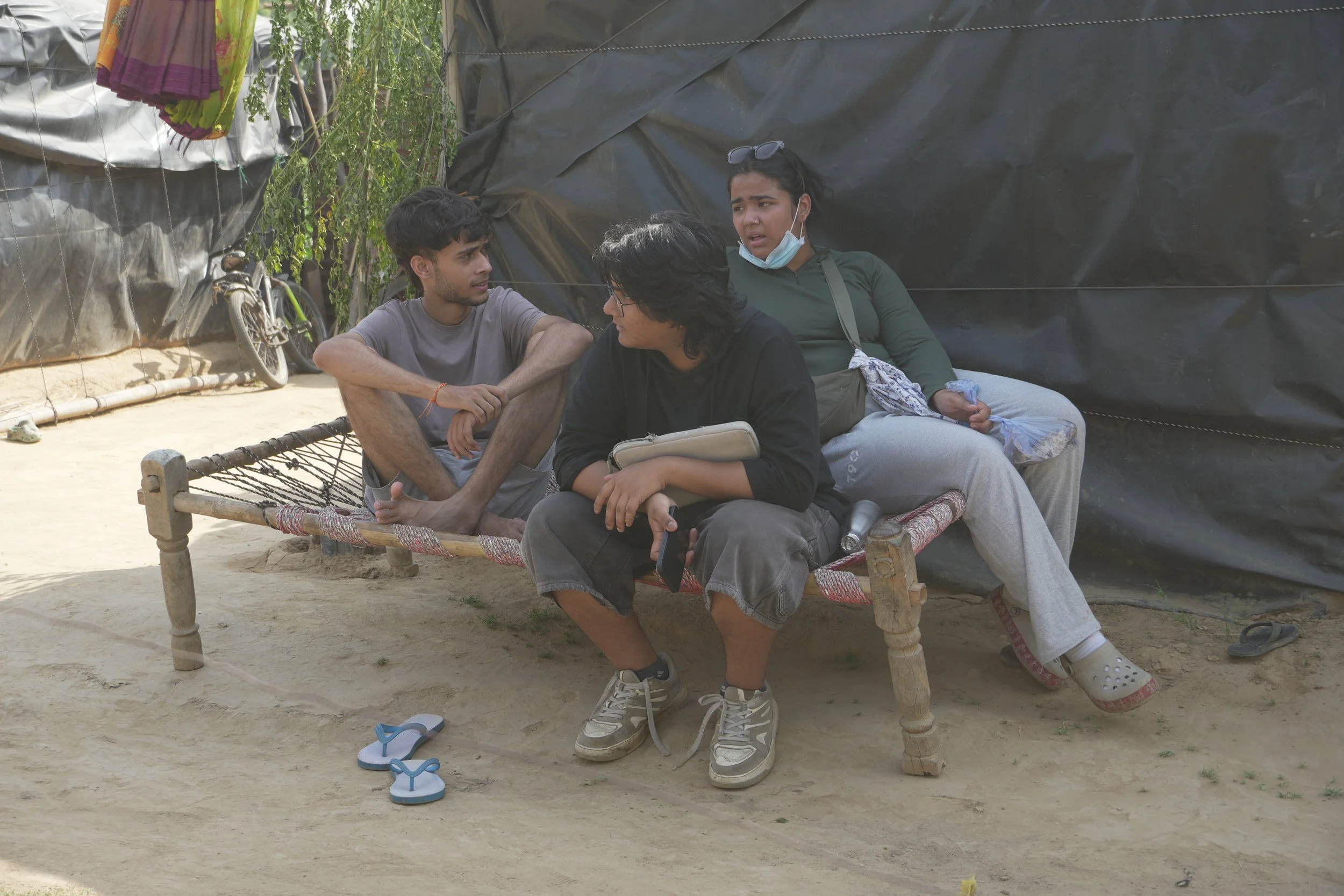
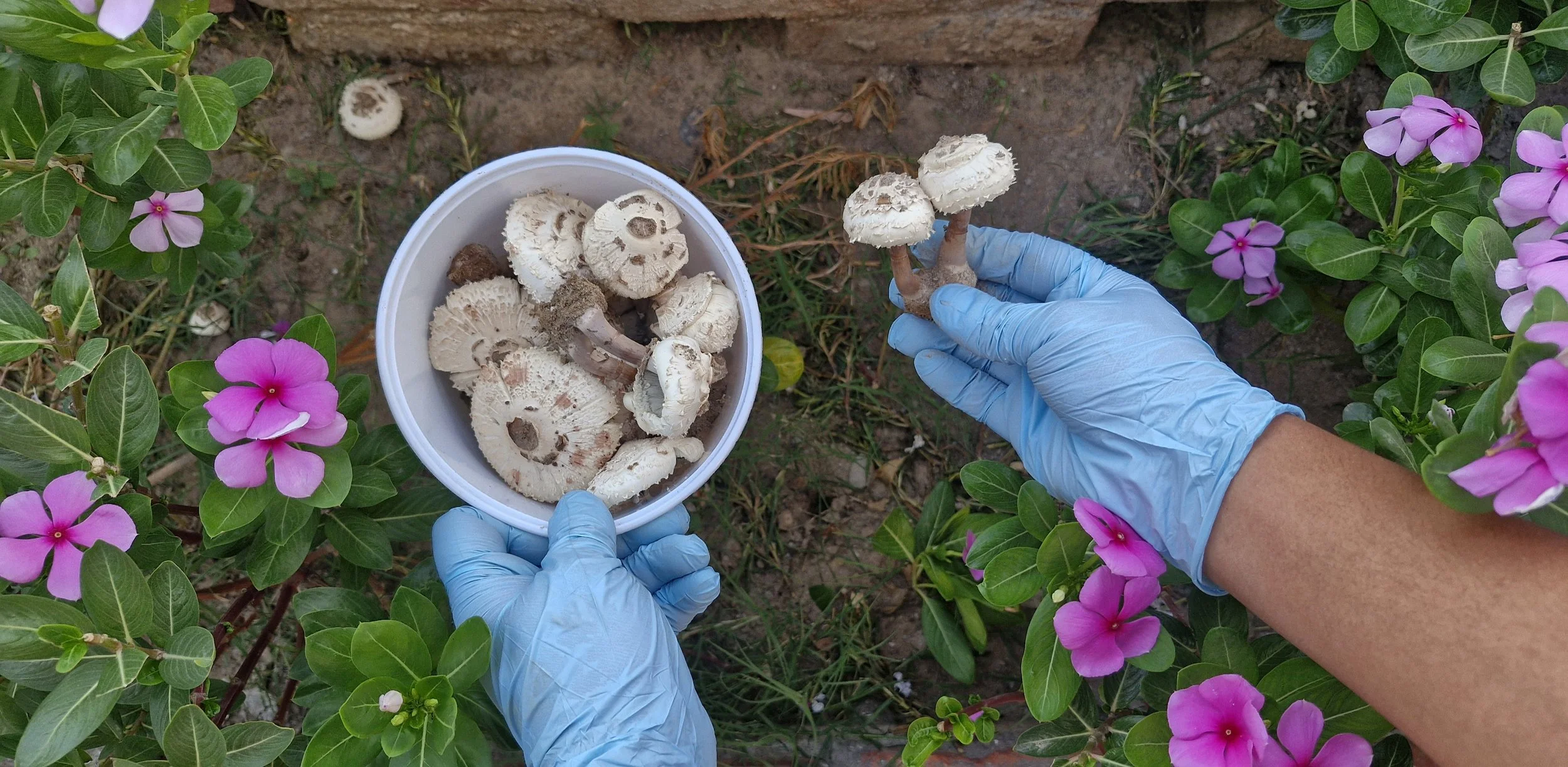
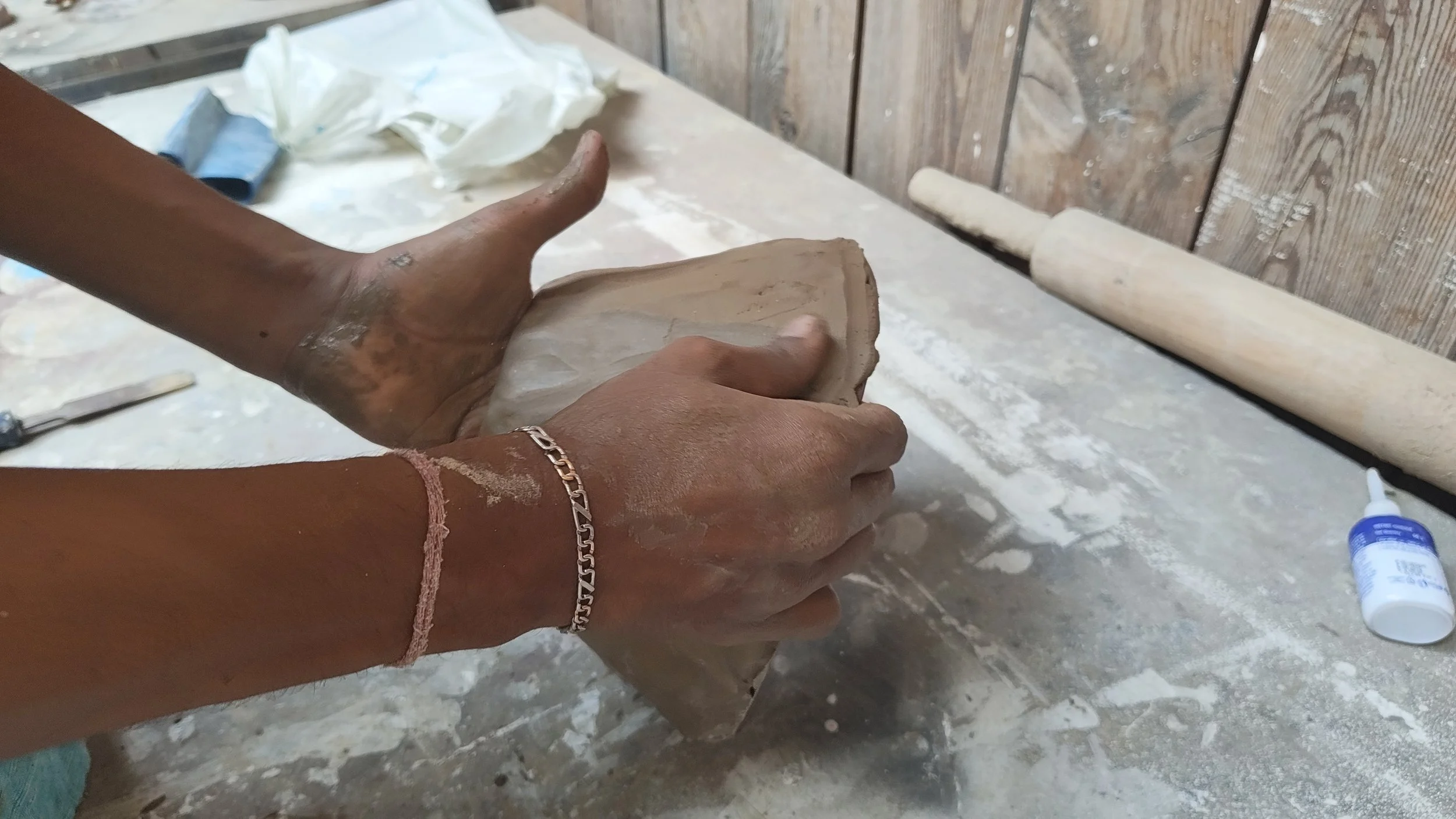
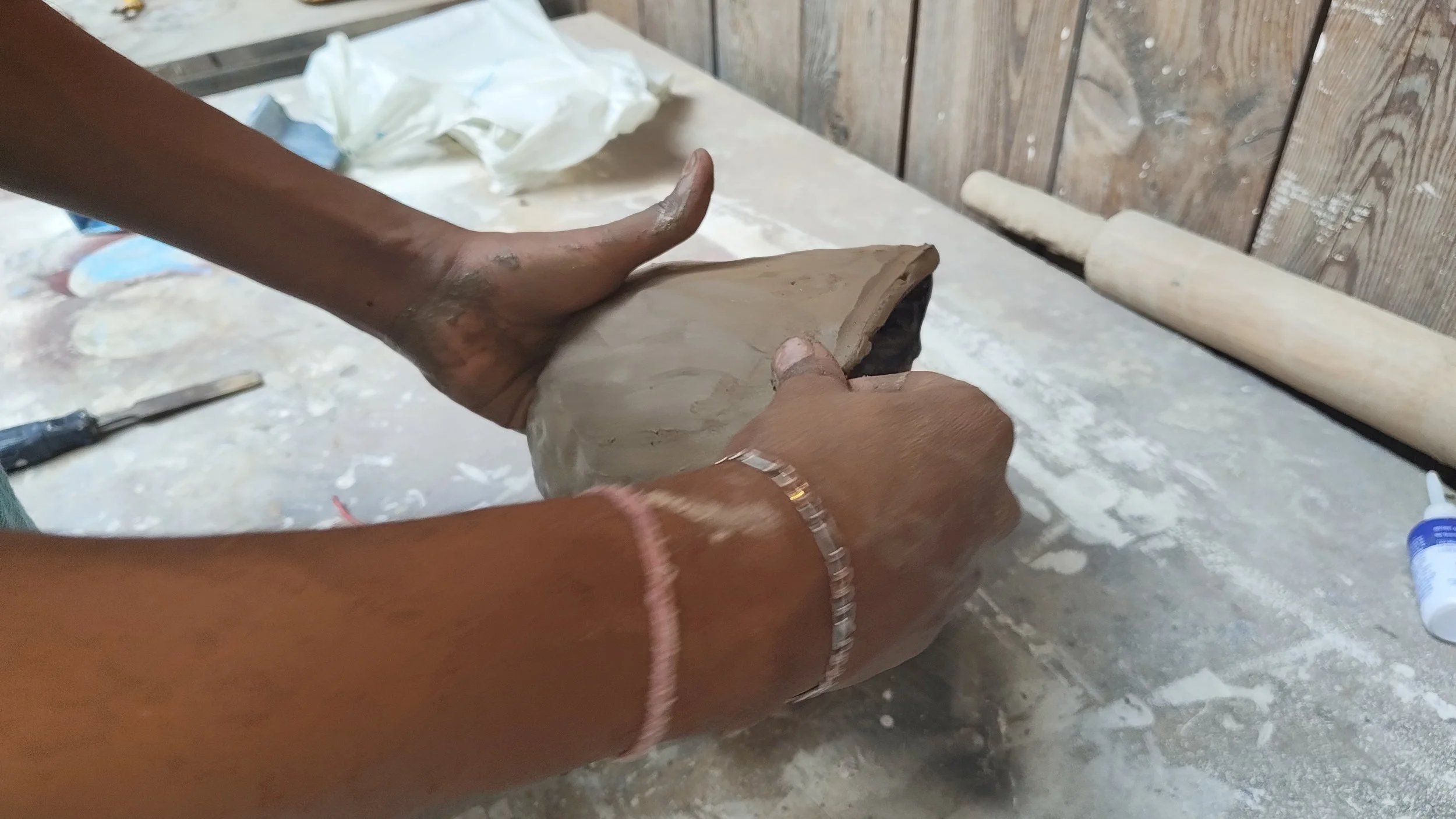
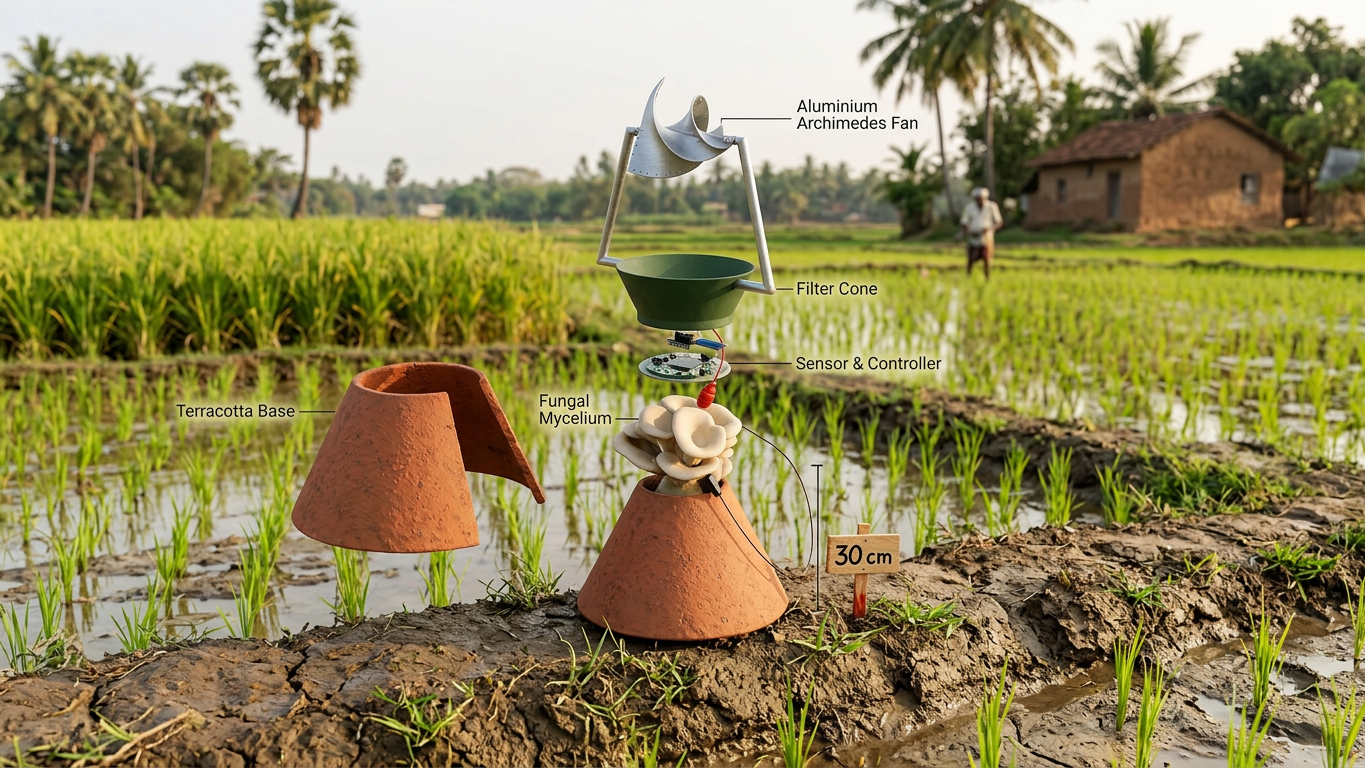
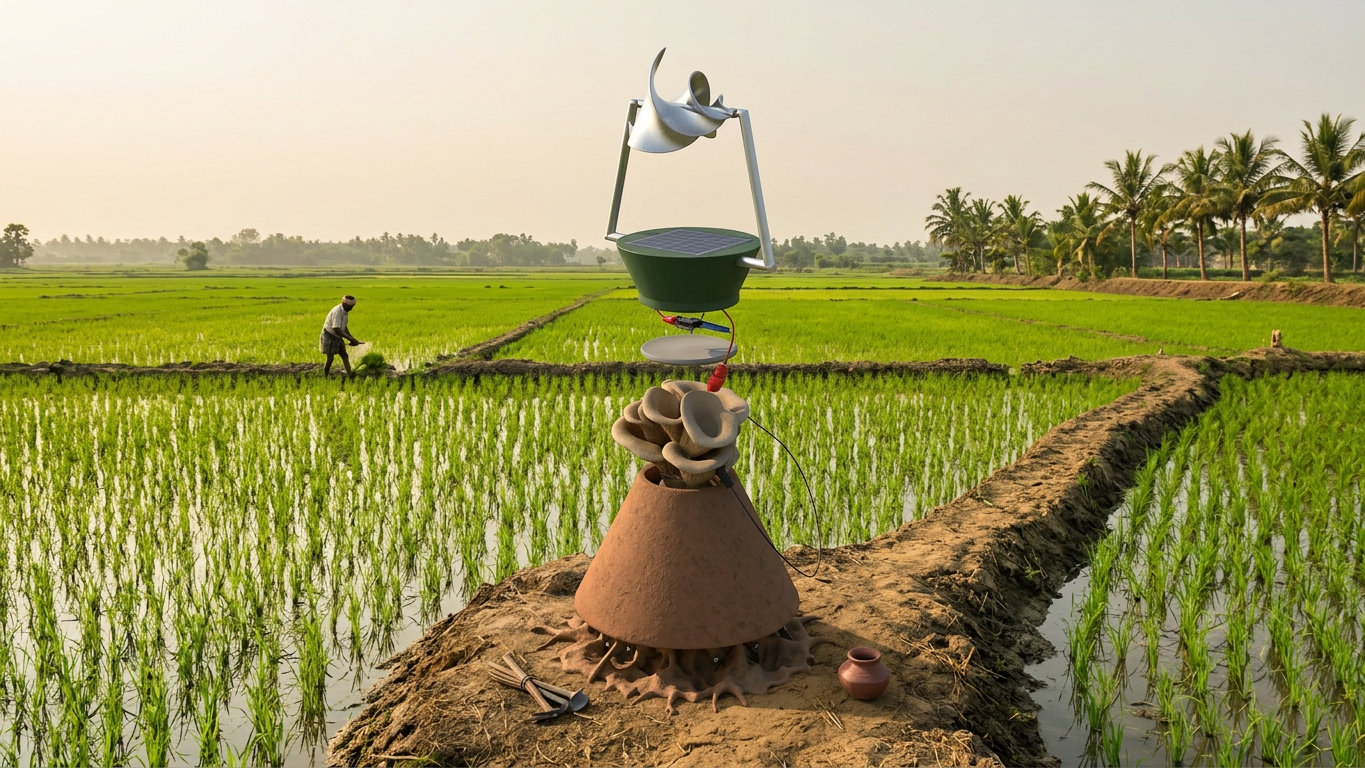
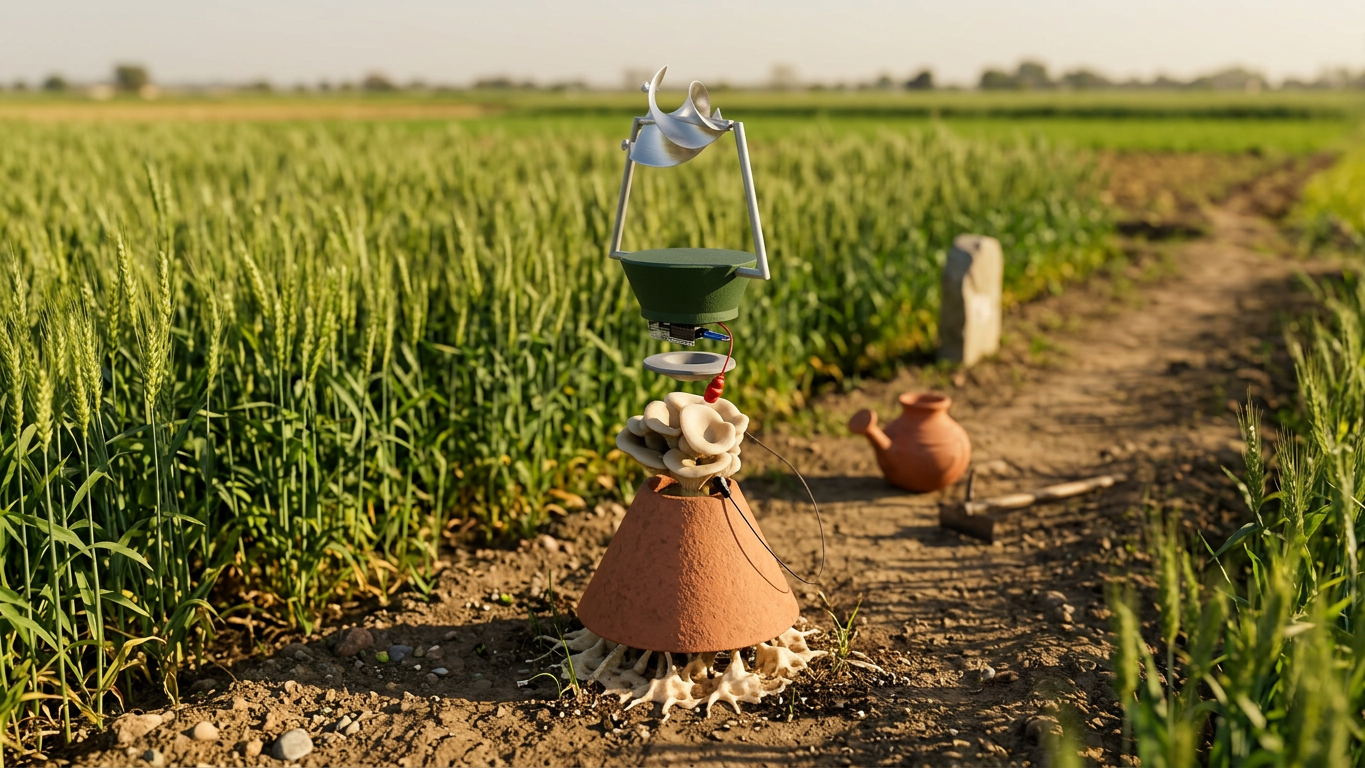
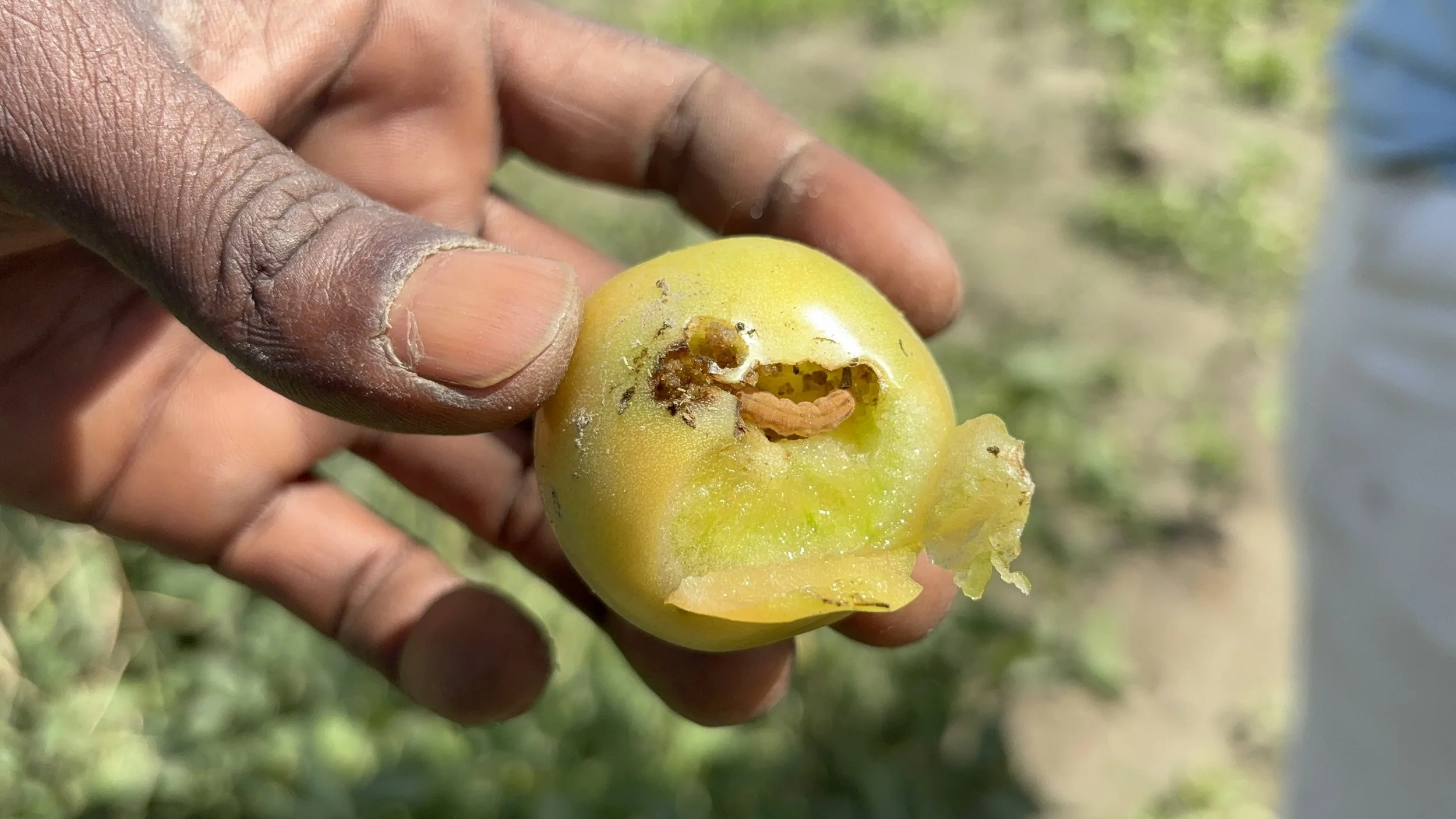
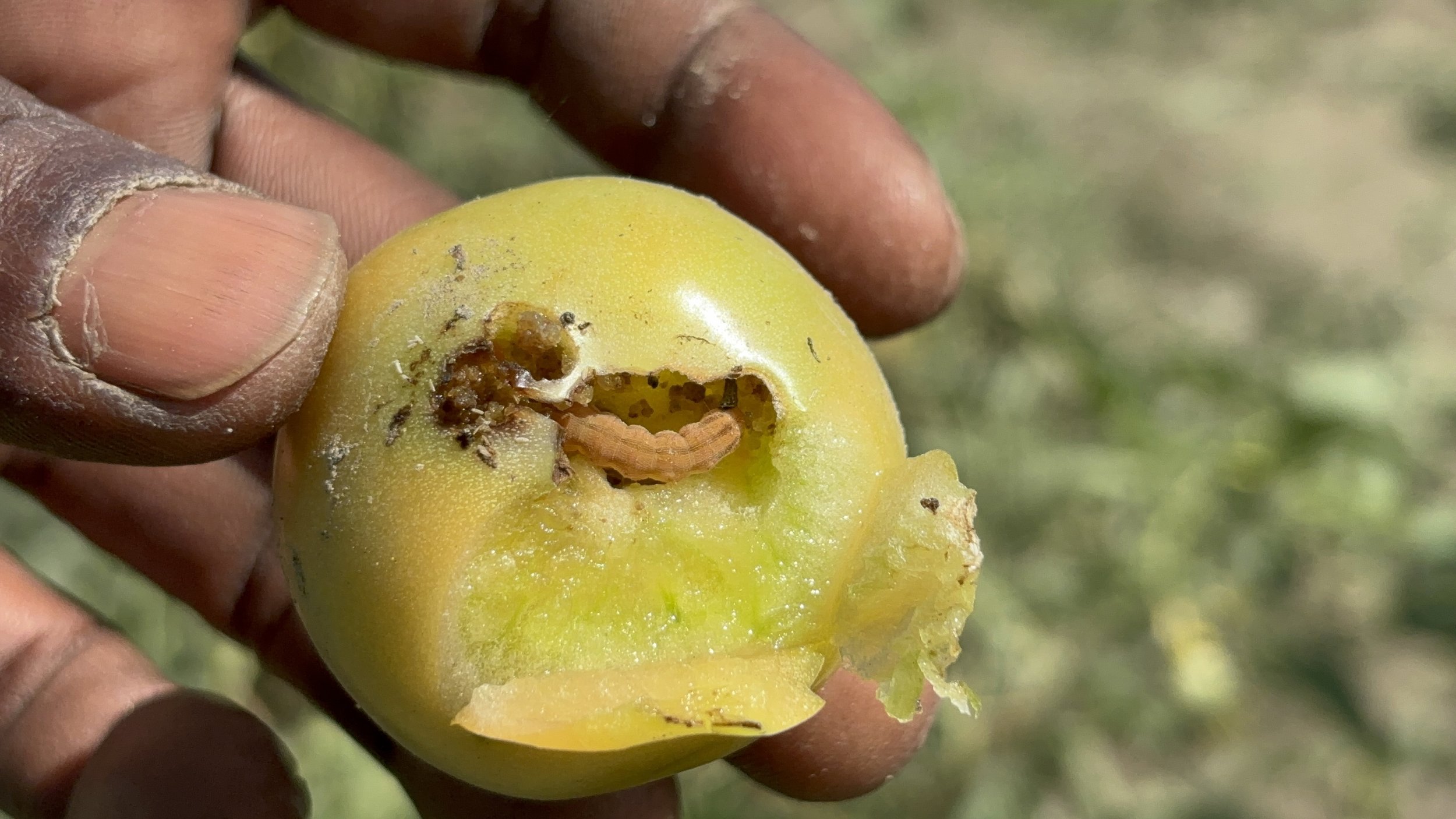
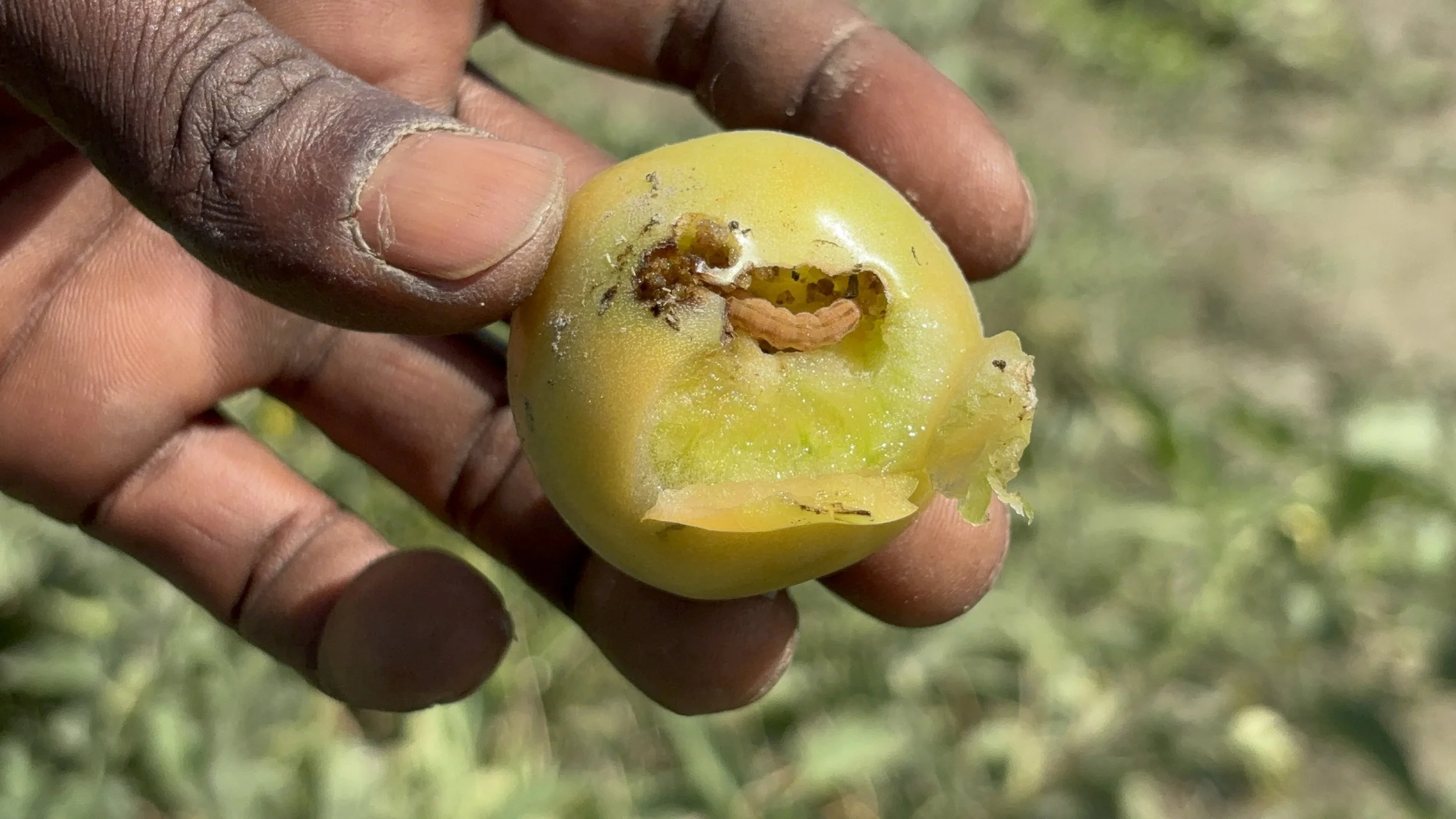
HYPHAE is an underground crop monitoring system that detects plant stress before visible symptoms emerge. It uses probes embedded in Pleurotus tuber-regium mushroom mass to intercept the electrical signals plants emit when under threat from dehydration or pests. The fungus acts as a biological sensor, shifting its own electrical patterns in response to crop distress, while also naturally combating root-knot nematodes. A microcontroller interprets these bio-electric changes using on-device machine learning, then transmits real-time diagnostics to farmers via long-range wireless networks. This living, sub-surface alert network enables growers to intervene early and prevent losses before damage becomes visible.
Phyto-Scaffolding: The Remediation Lung Park System
Nonfinalist Project
Harsh Vij
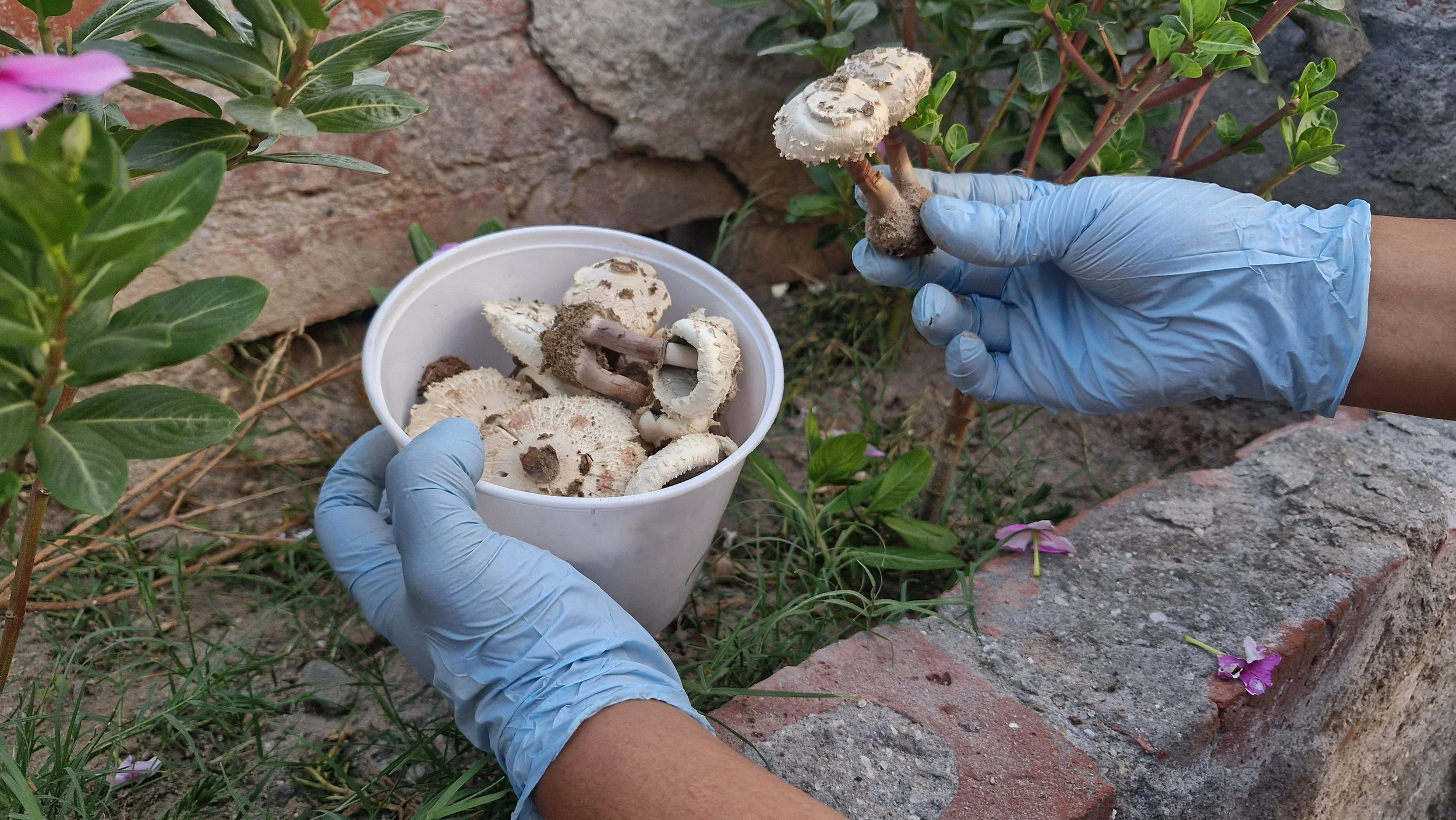
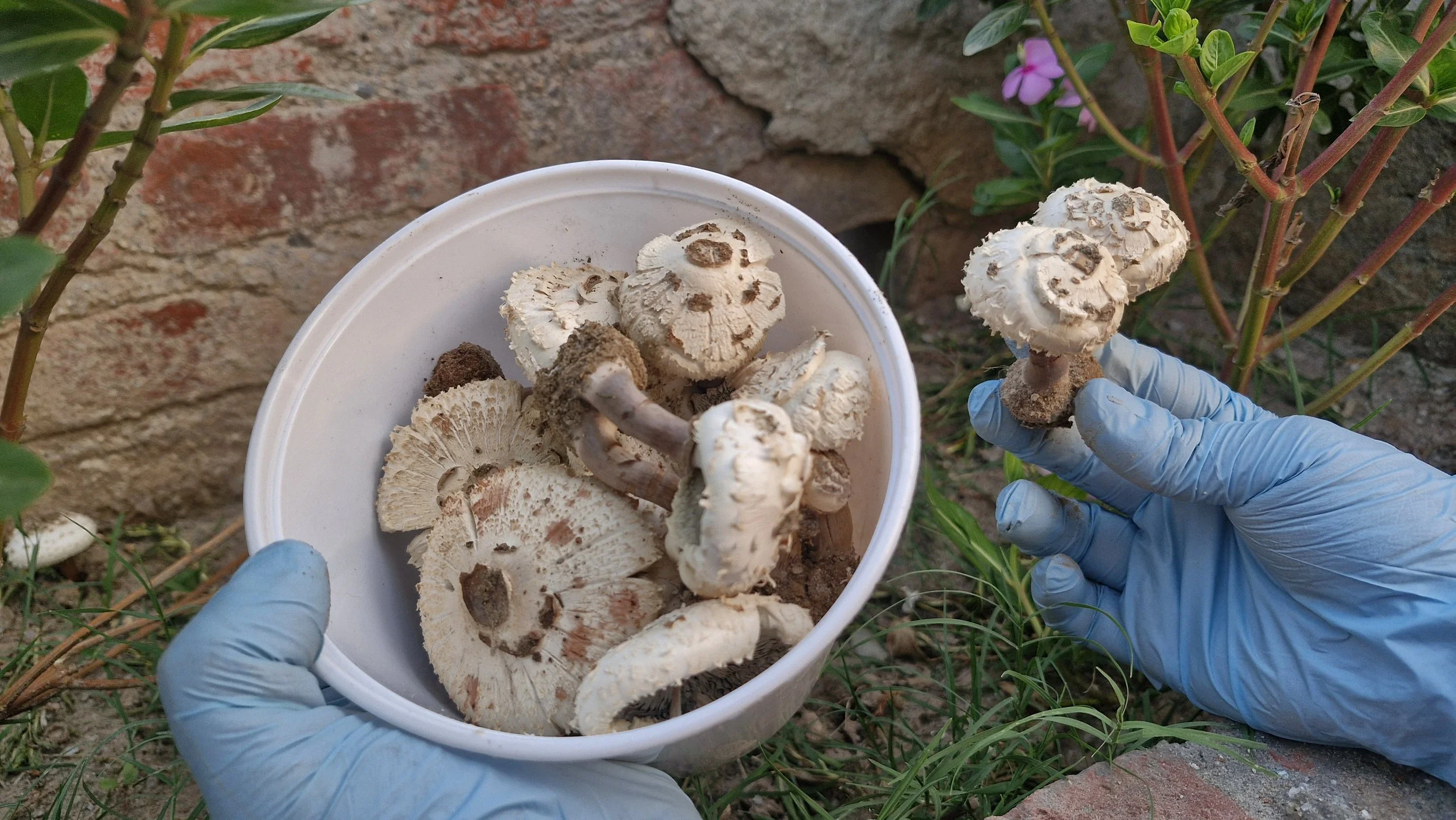
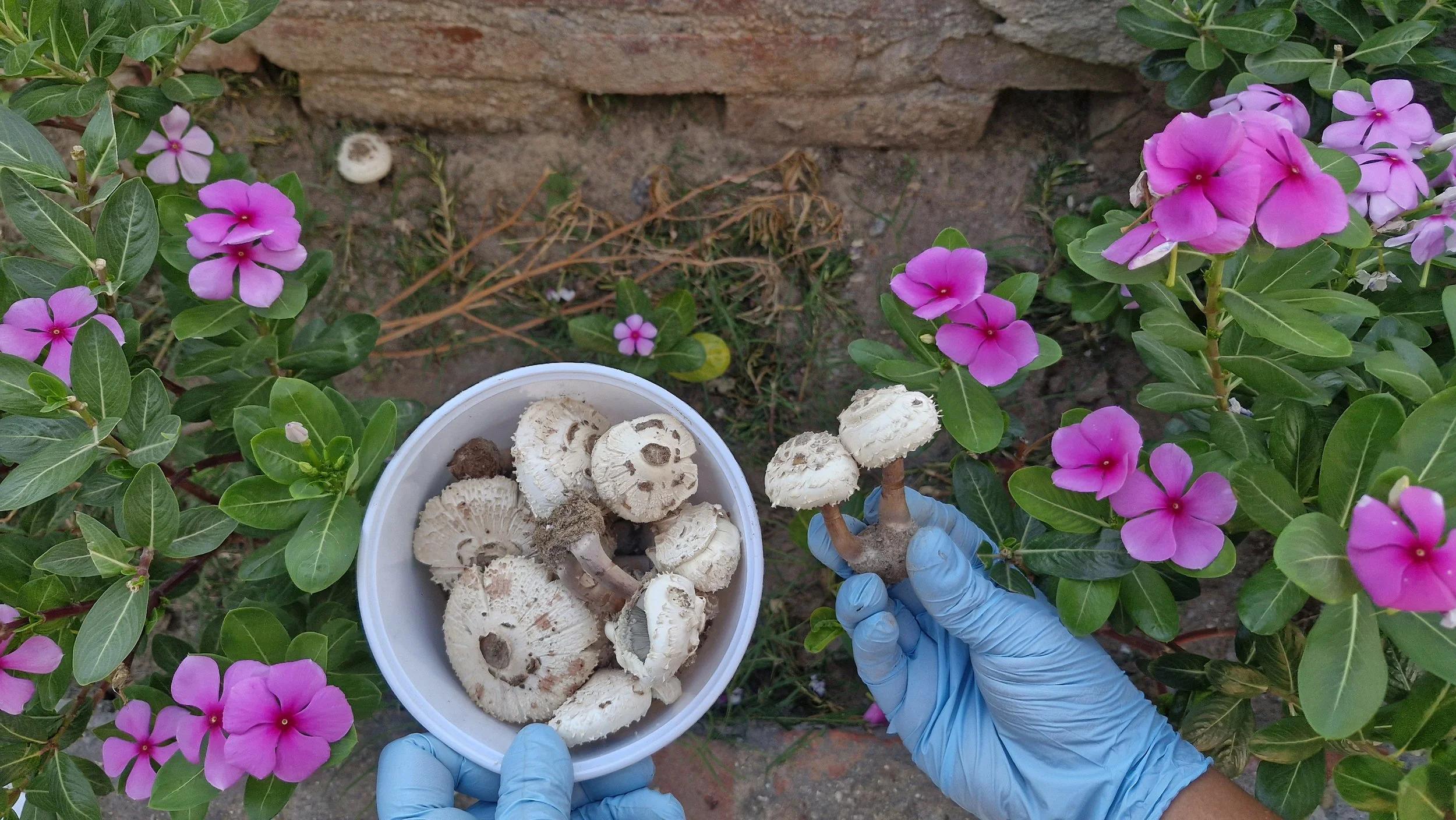
Phyto-Scaffolding is a bio-systemic infrastructure network engineered to mitigate dangerous particulate matter (PM_2.5 and PM_10) at urban demolition sites. Moving away from passive synthetic netting, this intervention utilizes an active architectural envelope of modular, 3D-printed bio-receptive blocks. These units feature internal cavities that decelerate wind currents, creating a moisture-retaining microclimate optimized for living native moss matrices (Tortula muralis). Operating on gravity-fed micro-irrigation, the system traps airborne concrete dust, crystalline silica, and toxic heavy metals. Post-demolition, a wash cycle routes the captured particulate slurry into an off-site circular upcycling loop. Through Microbial-Induced Calcium Carbonate Precipitation (MICP), the sludge is petrified and cast into structural bio-bricks.
Urban Mangroves
Nonfinalist Project
Anushika Thakur, Hridesh Jethani, Reevanshi Kakkar, Sourabh Bhusal
Urban Mangroves is a speculative biodesign project that translates the ecological intelligence of mangrove ecosystems into a strategy for addressing urban air pollution. The project began with a systems-level study of Goa’s mangroves, exploring how they regulate, filter, and adapt to complex environmental conditions. These insights were contrasted with Delhi’s urban landscape, where air pollution remains a major challenge. Focusing on underground metro systems, the research examined how friction between train wheels, tracks, and braking mechanisms generates fine metallic particulate matter that accumulates in enclosed spaces. Inspired by mangrove root networks, Urban Mangroves proposes a multi-zonal filtration system that captures pollutants at different scales. By reinterpreting mangrove ecology as urban infrastructure, the project explores nature-inspired solutions for healthier and more resilient cities.
Rhin
Nonfinalist Project
Anish Kumar, Karampta Ikshita, Shifa Khan
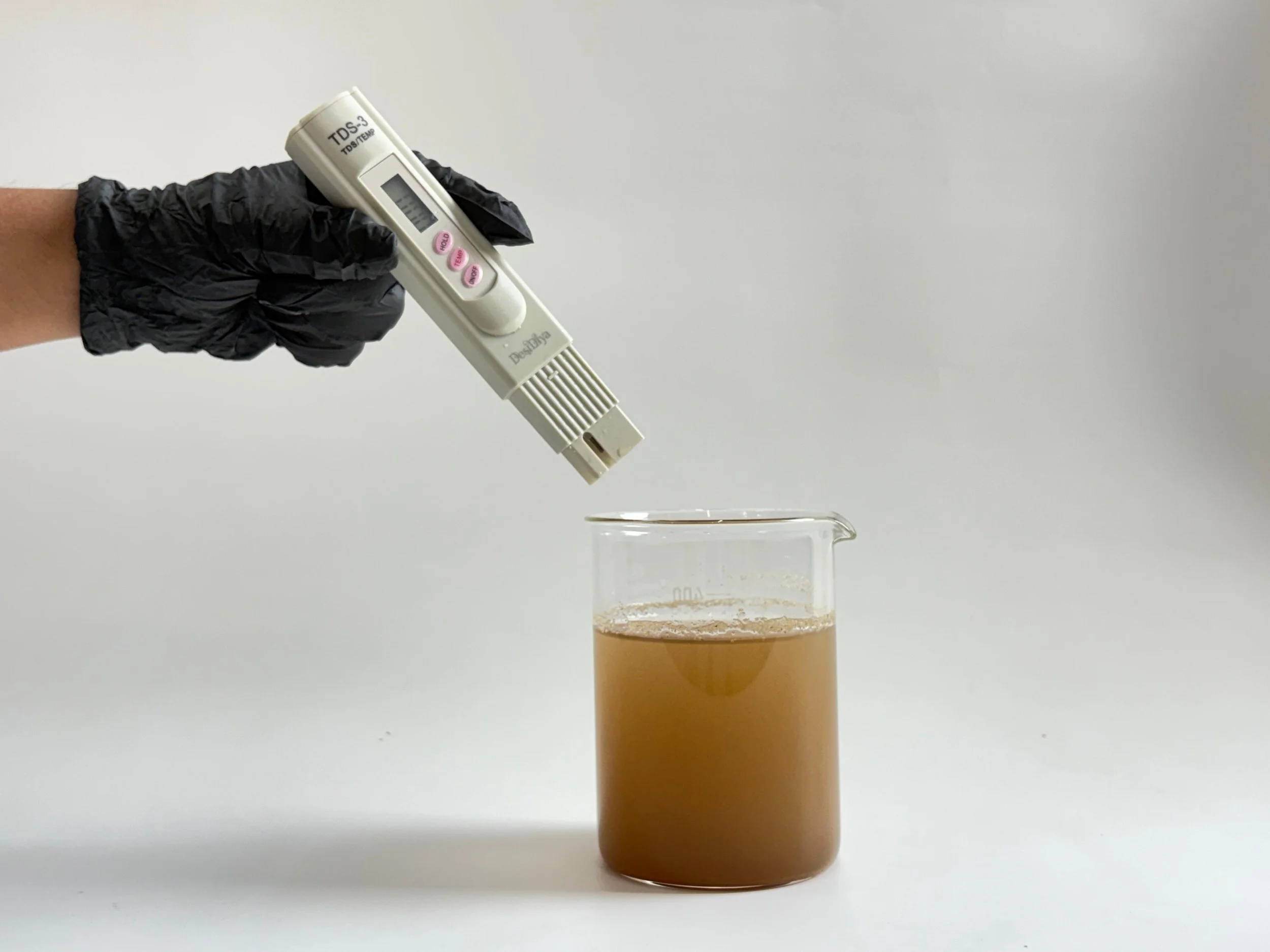
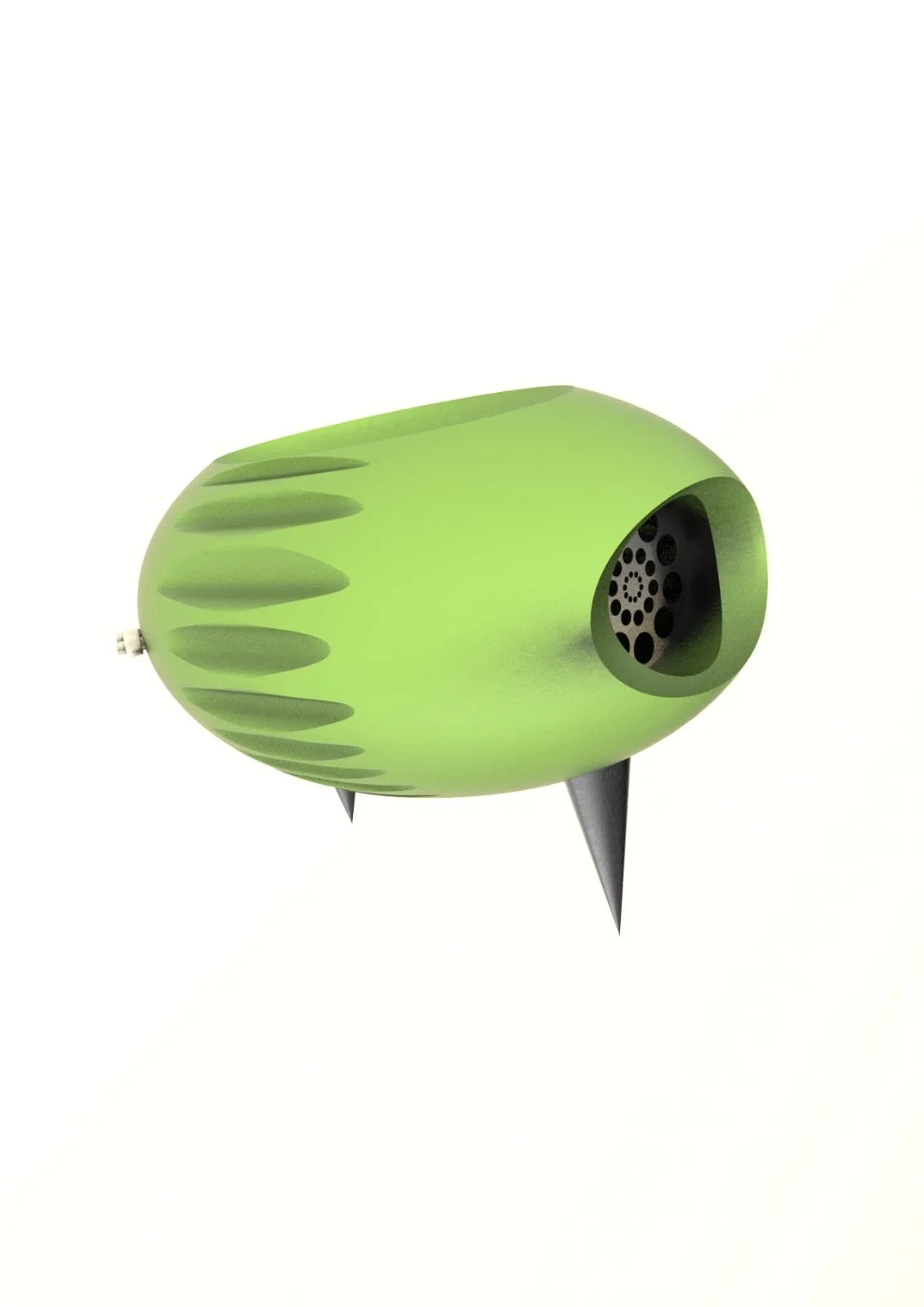
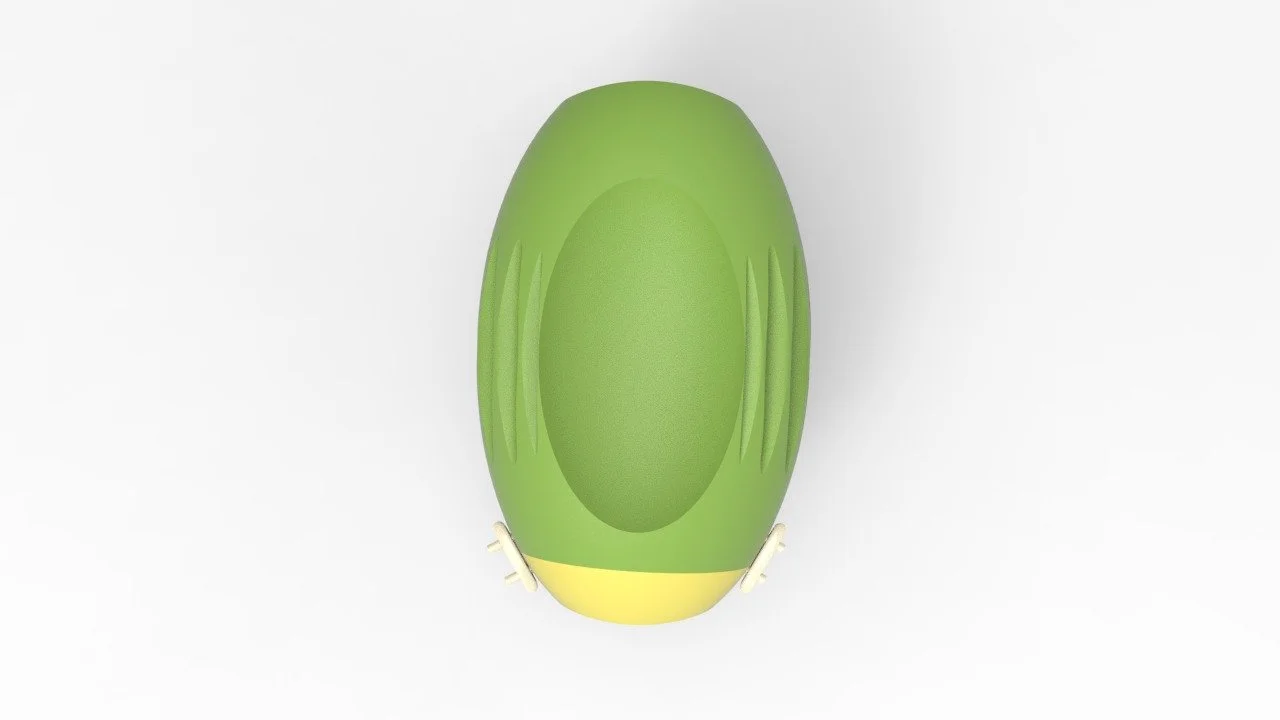
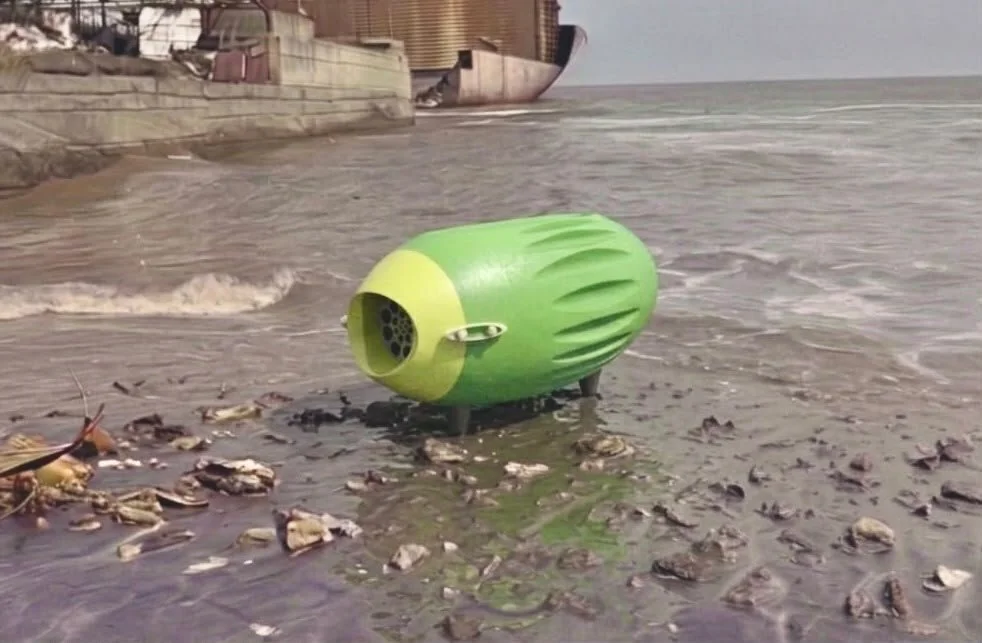
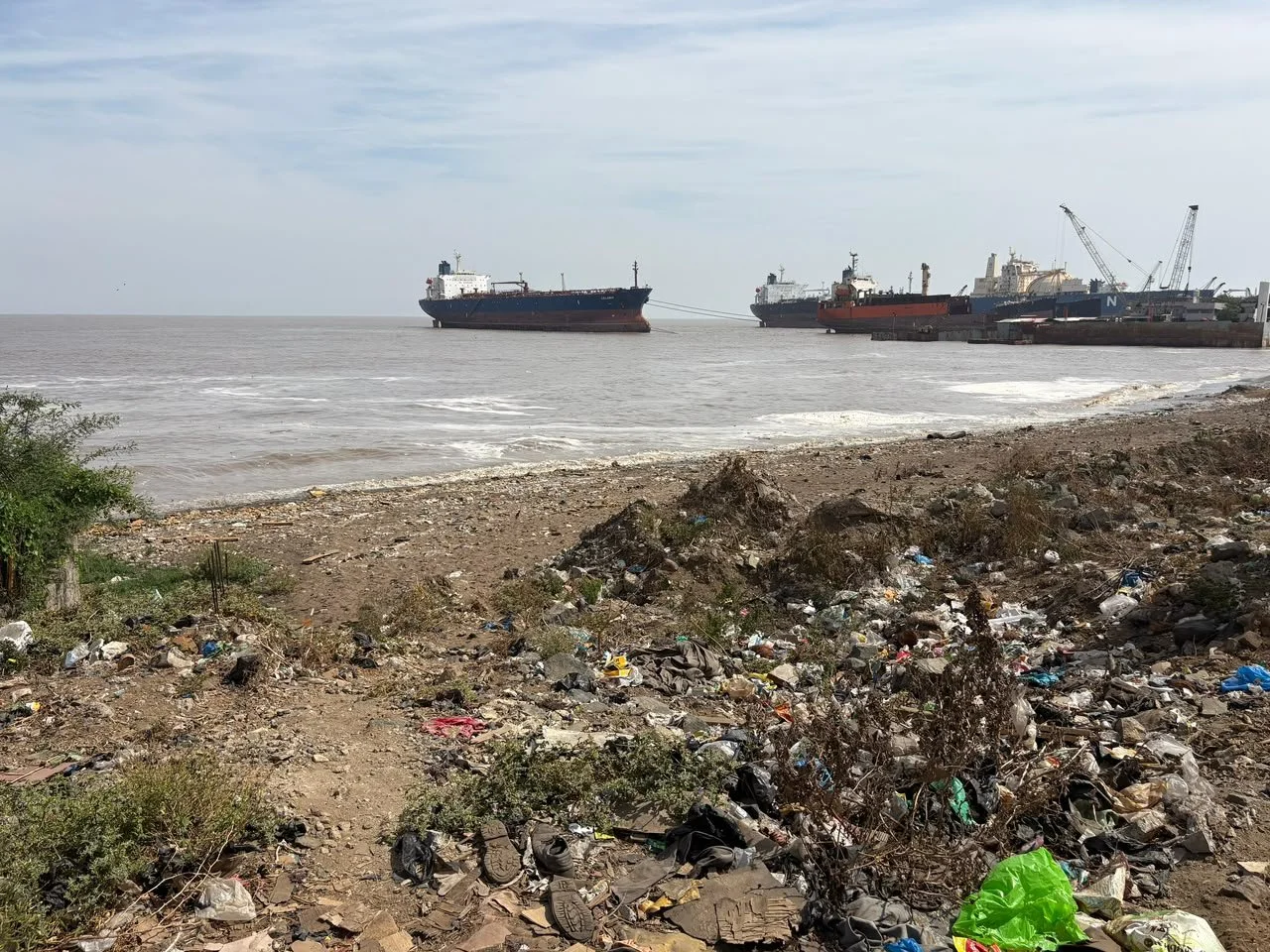
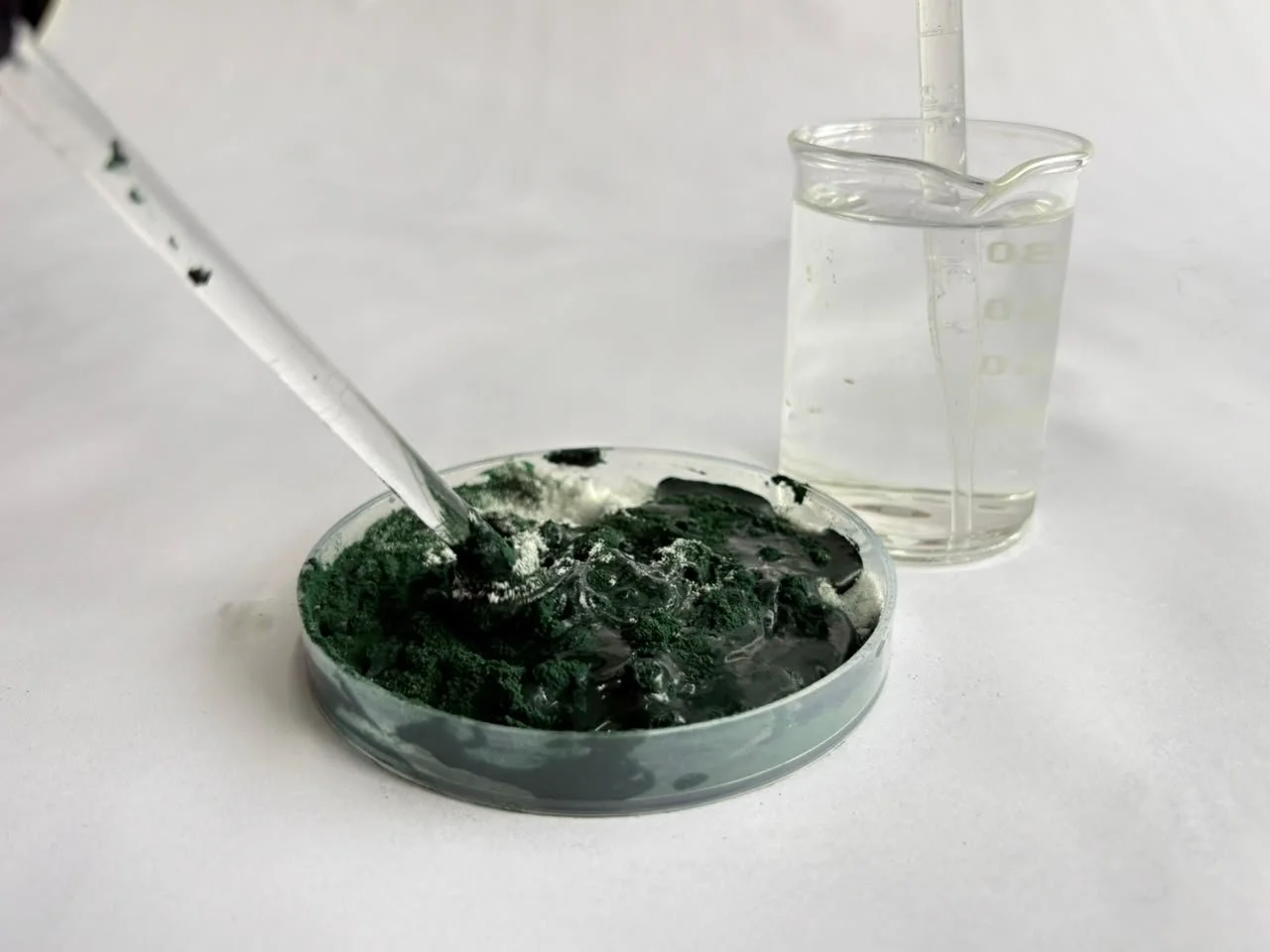
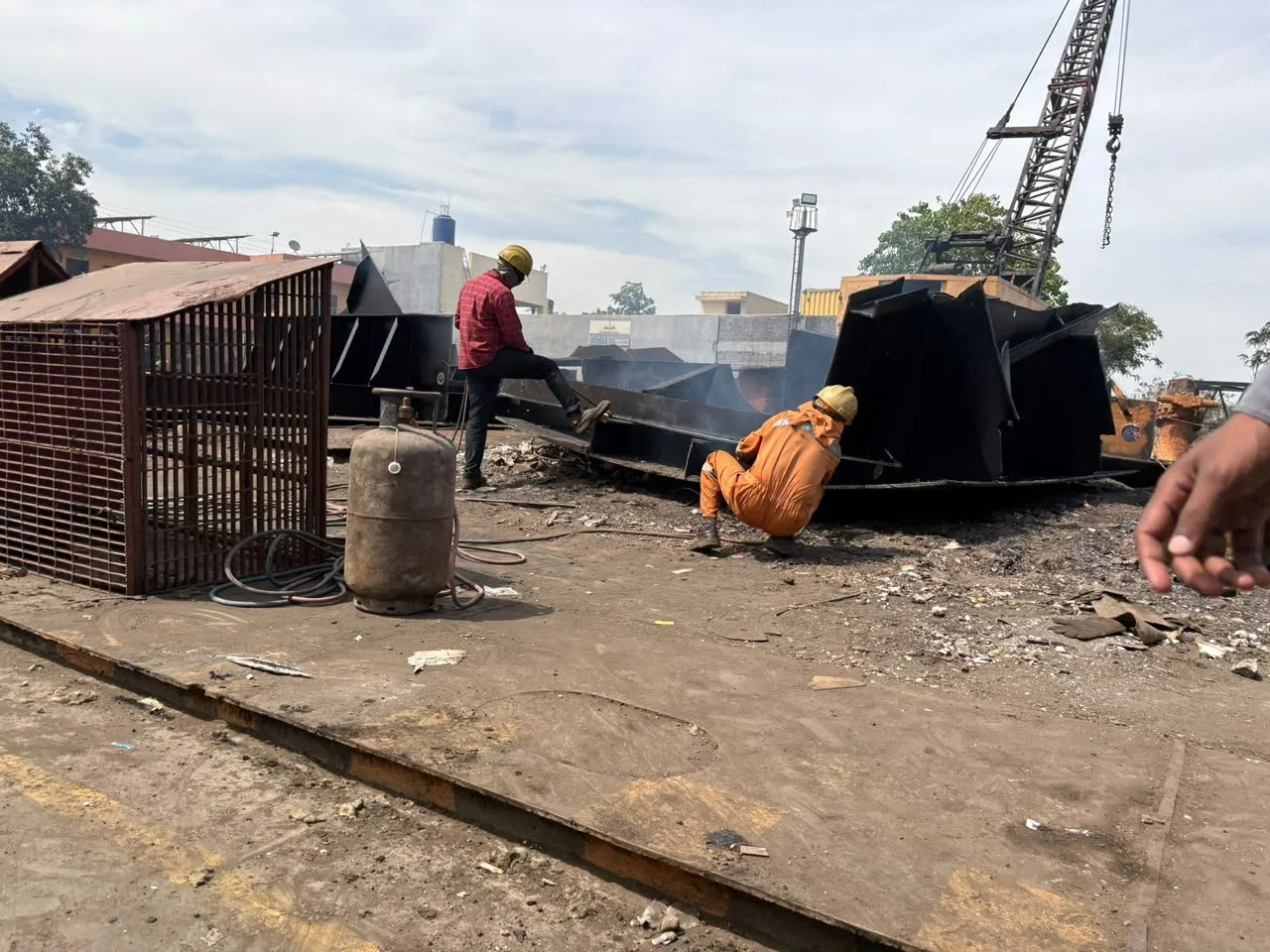
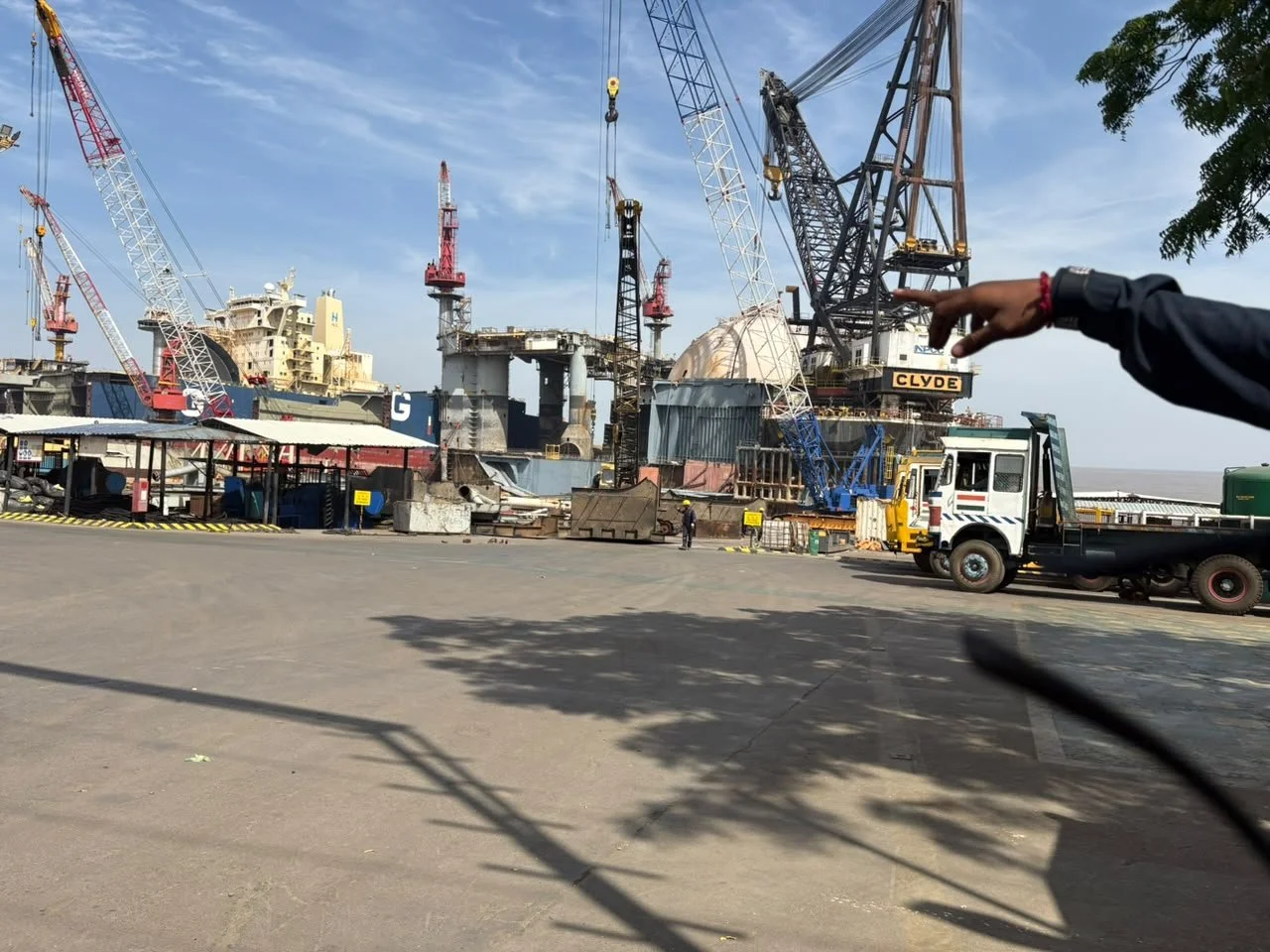
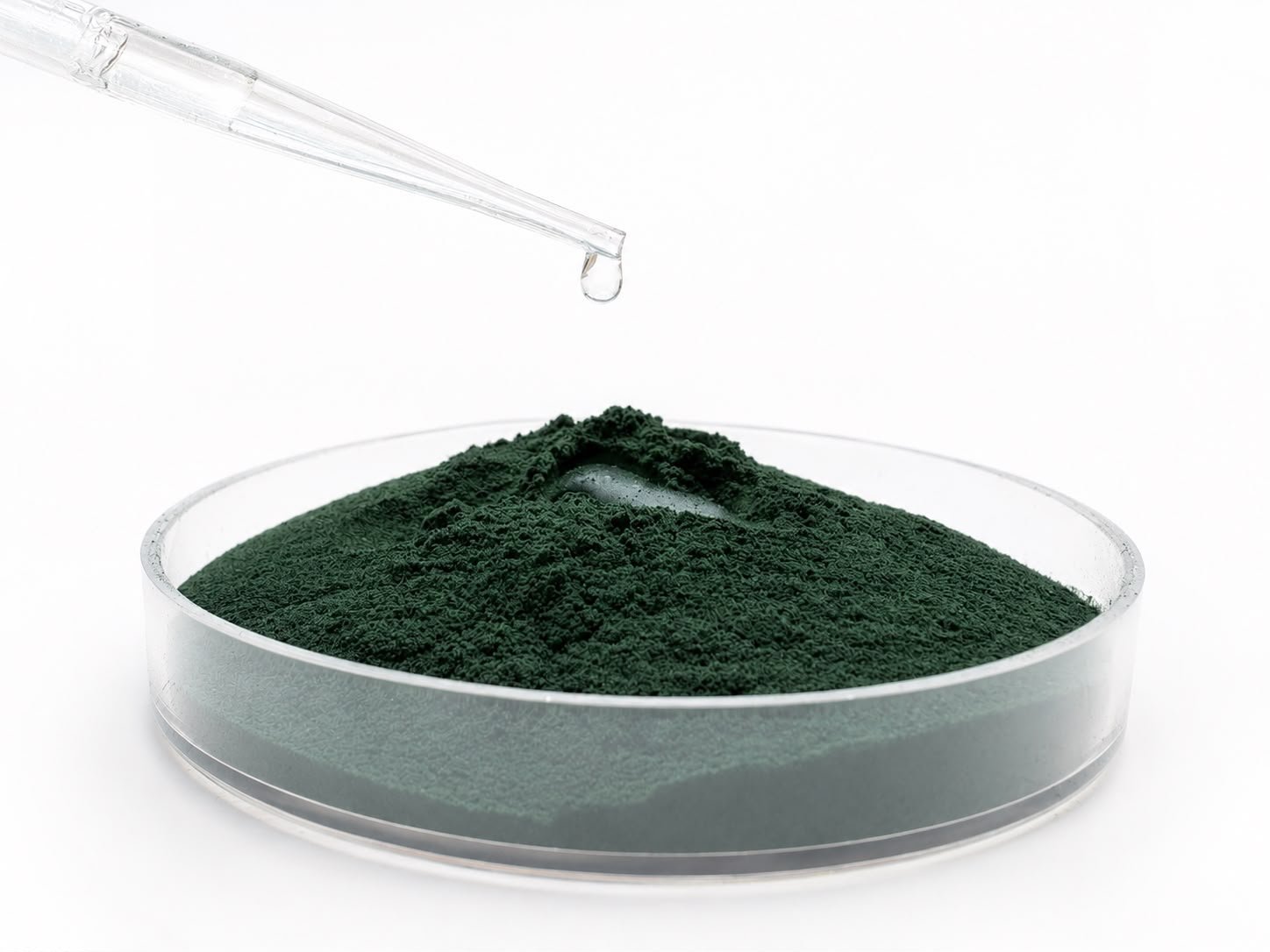
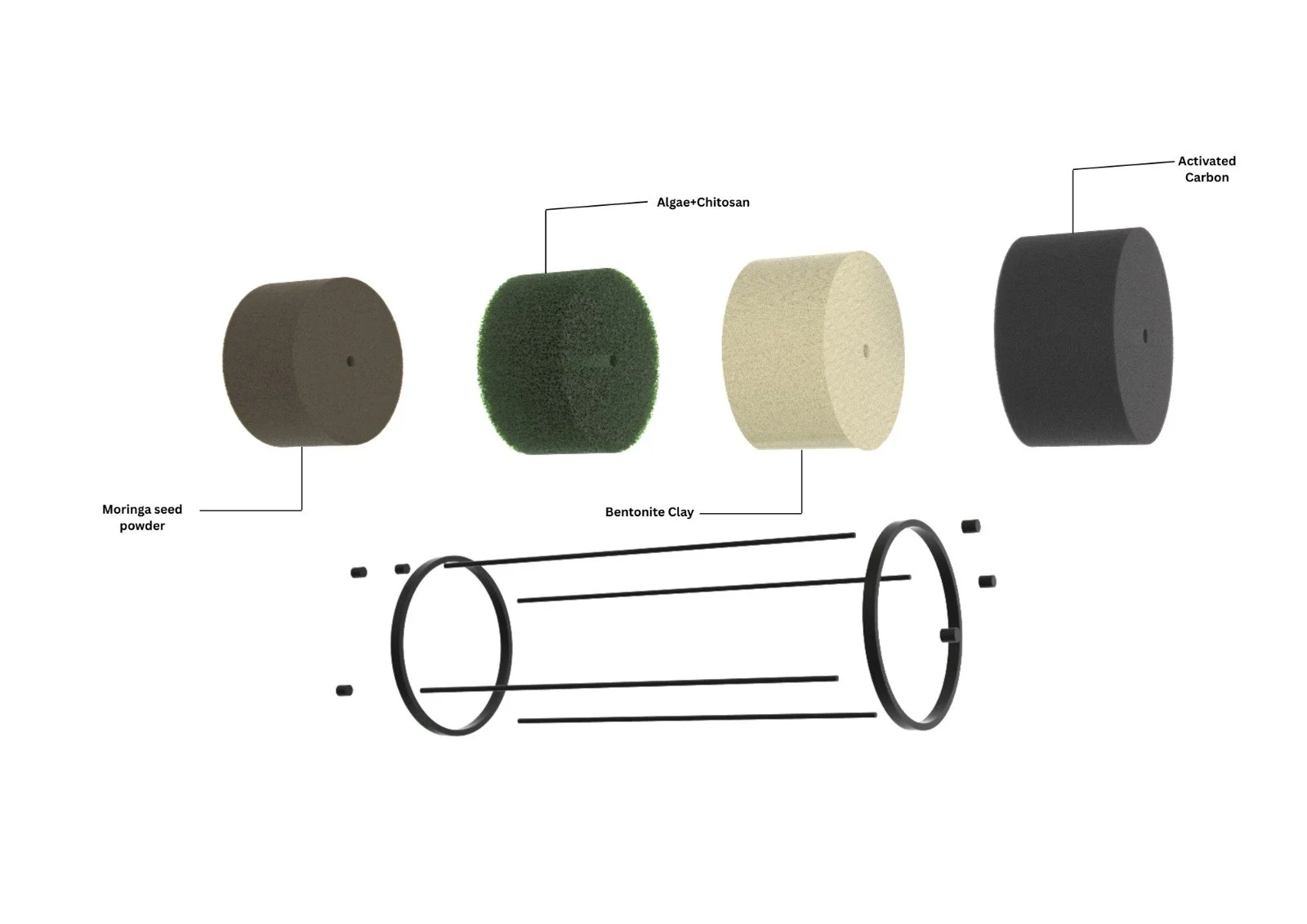
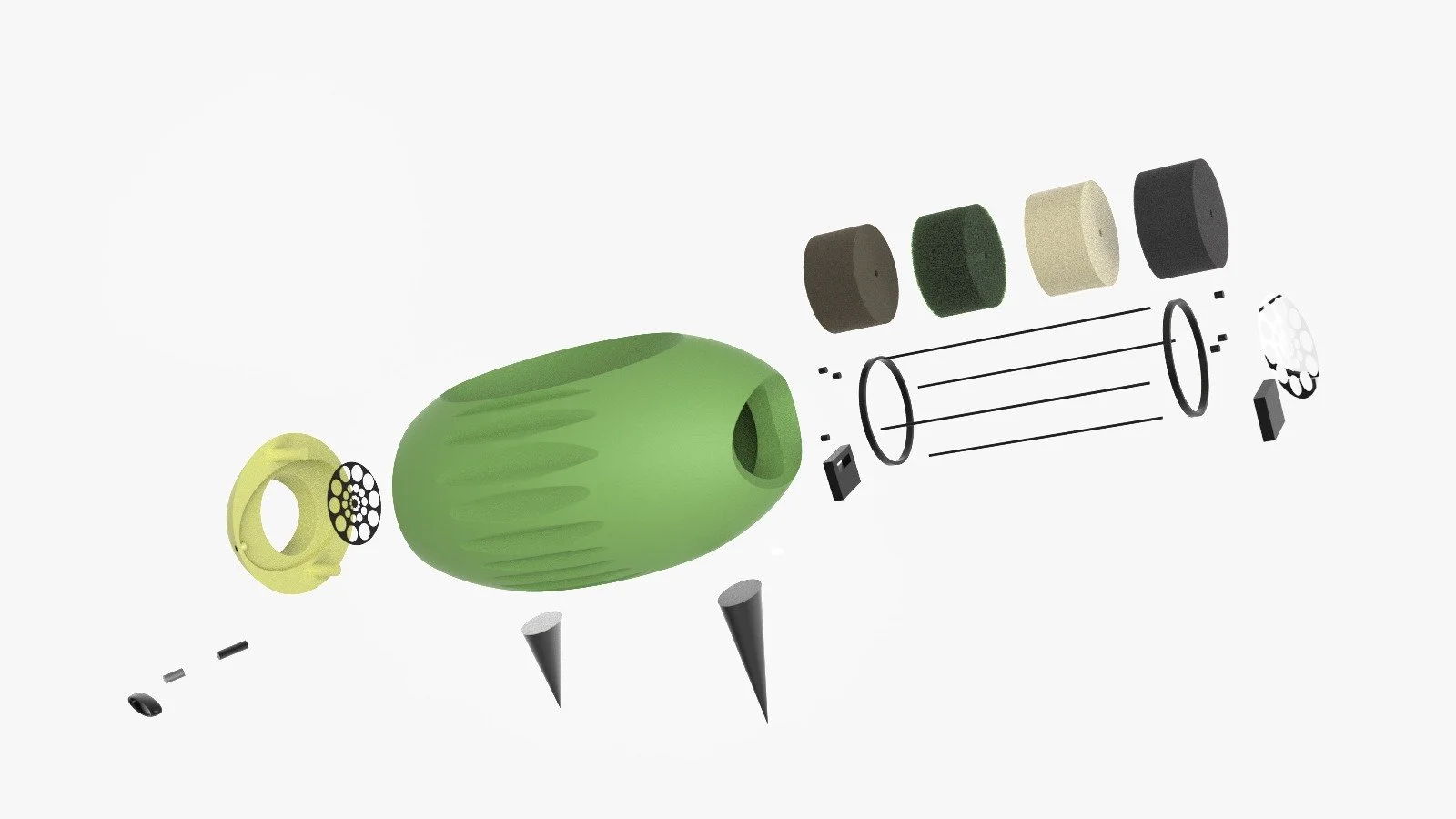
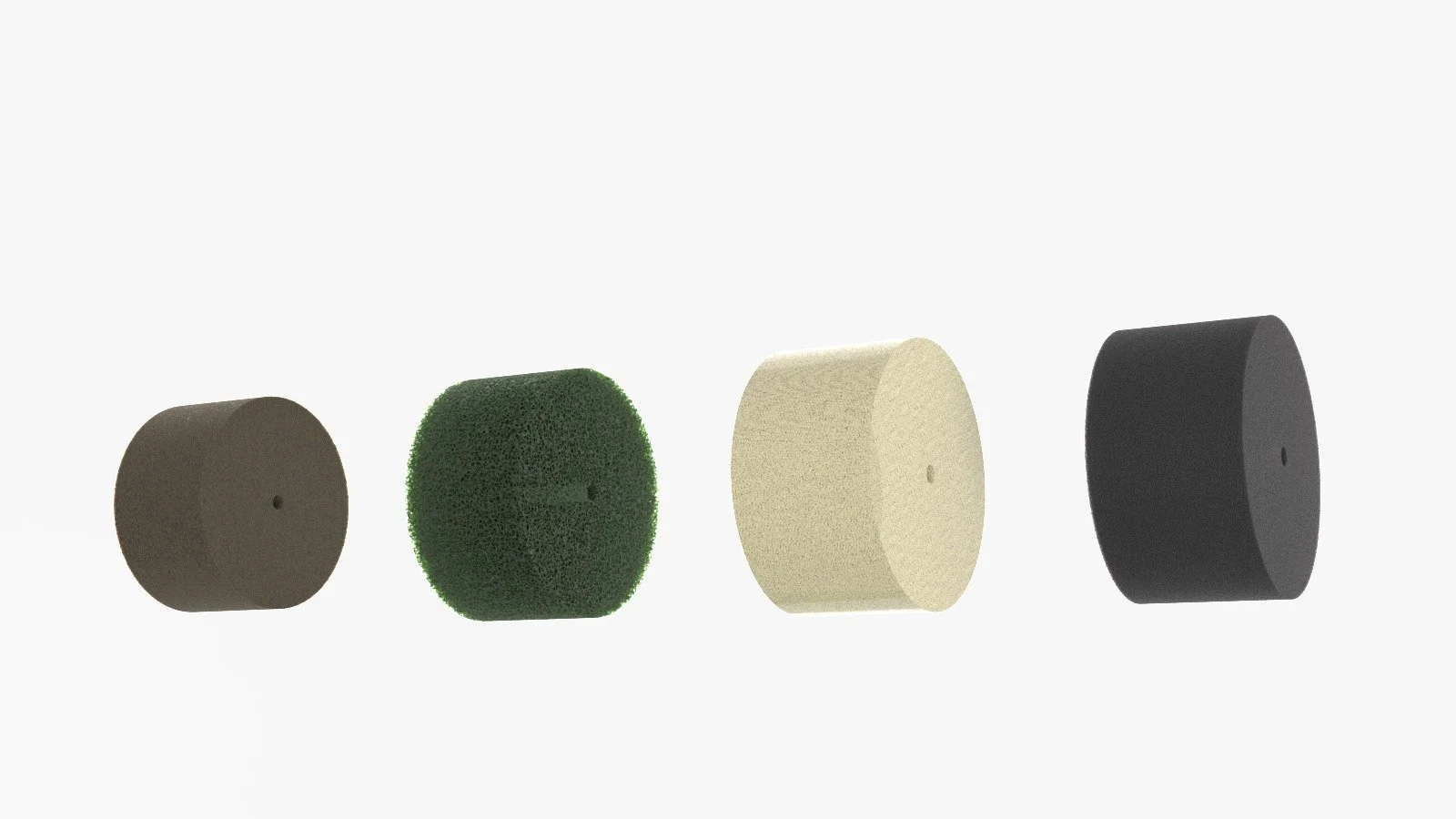
Rhin is a bio-based coastal filtration system designed to address heavy metal contamination in the waters of Alang Ship Breaking Yard. Rhin uses a bio composite panel made from algae and chitosan and bentonite clay, moringa seed powder, and activated carbon to filter pollutants from contaminated seawater. These natural materials work together to absorb heavy metals and remove organic contaminants through flocculation and adsorption. Installed along the shoreline, the modular filtration unit harnesses natural water currents to draw in contaminated water, treat it through multiple filtration layers, and release treated water back into the sea. Rhin demonstrates how biodesign and sustainable materials can contribute to healthier coastal ecosystems while supporting the well being of communities that depend on them.
Landreef
Nonfinalist Project
Ashneet Bains, Kuldeep Kaphle, Rhea Alpesh Shah
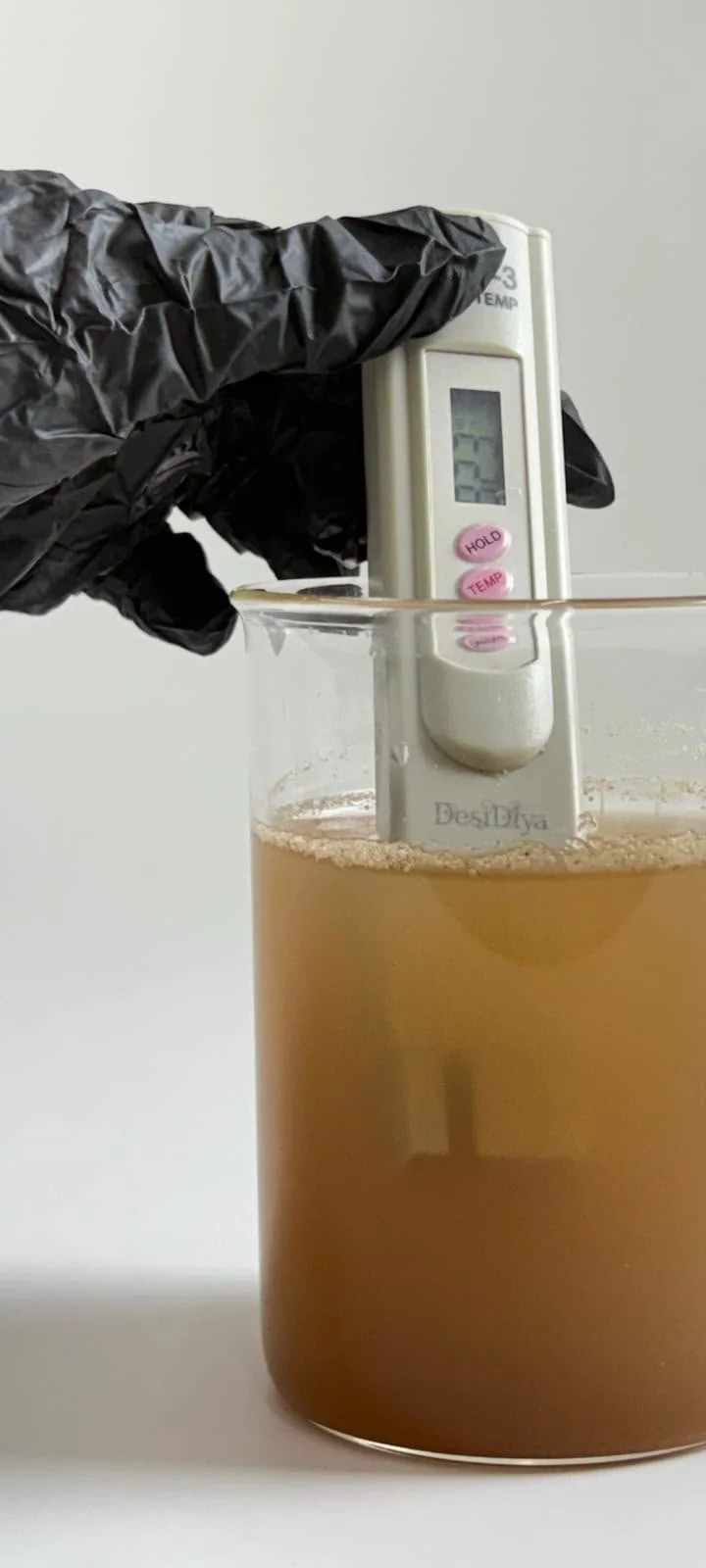
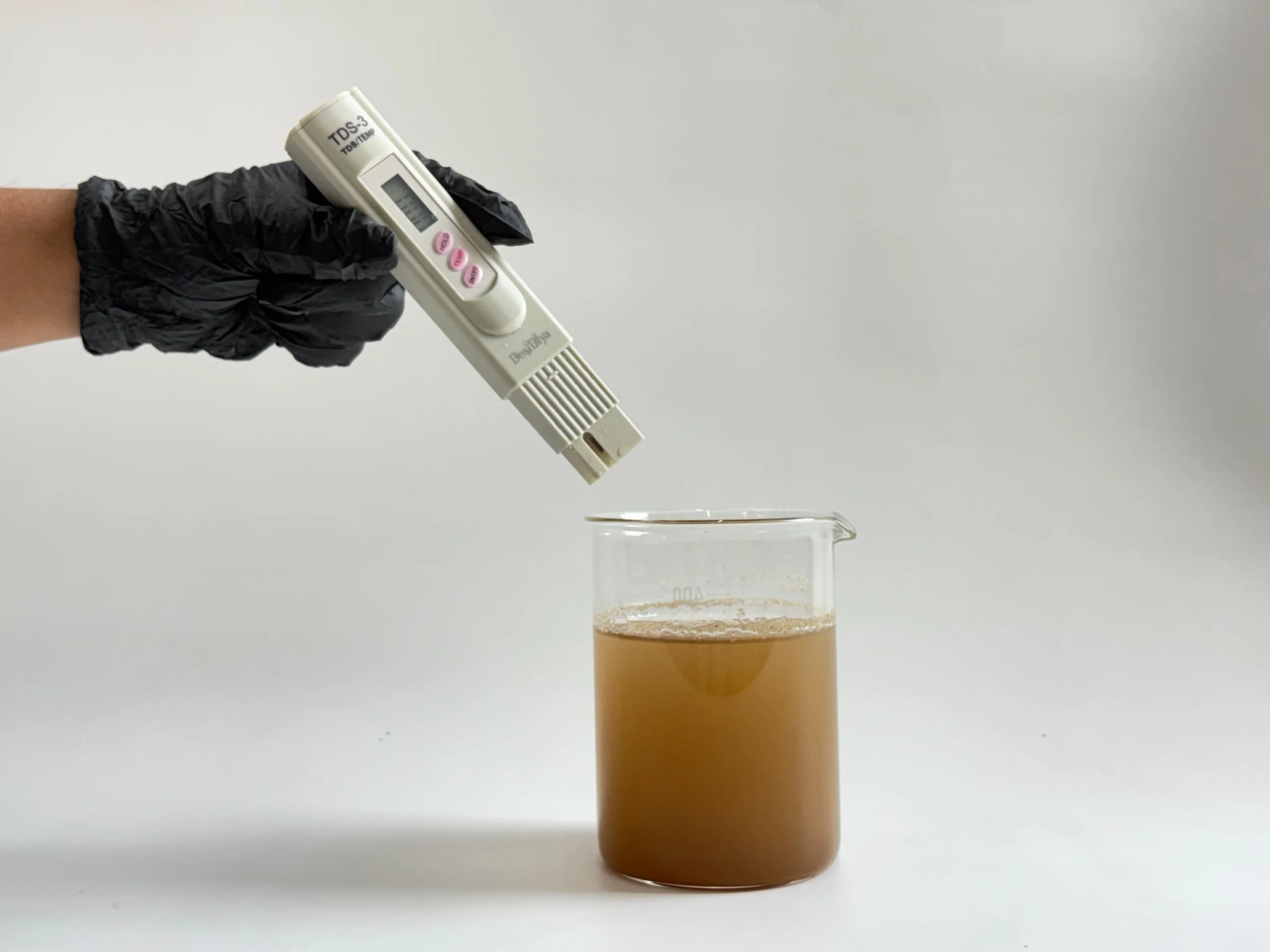
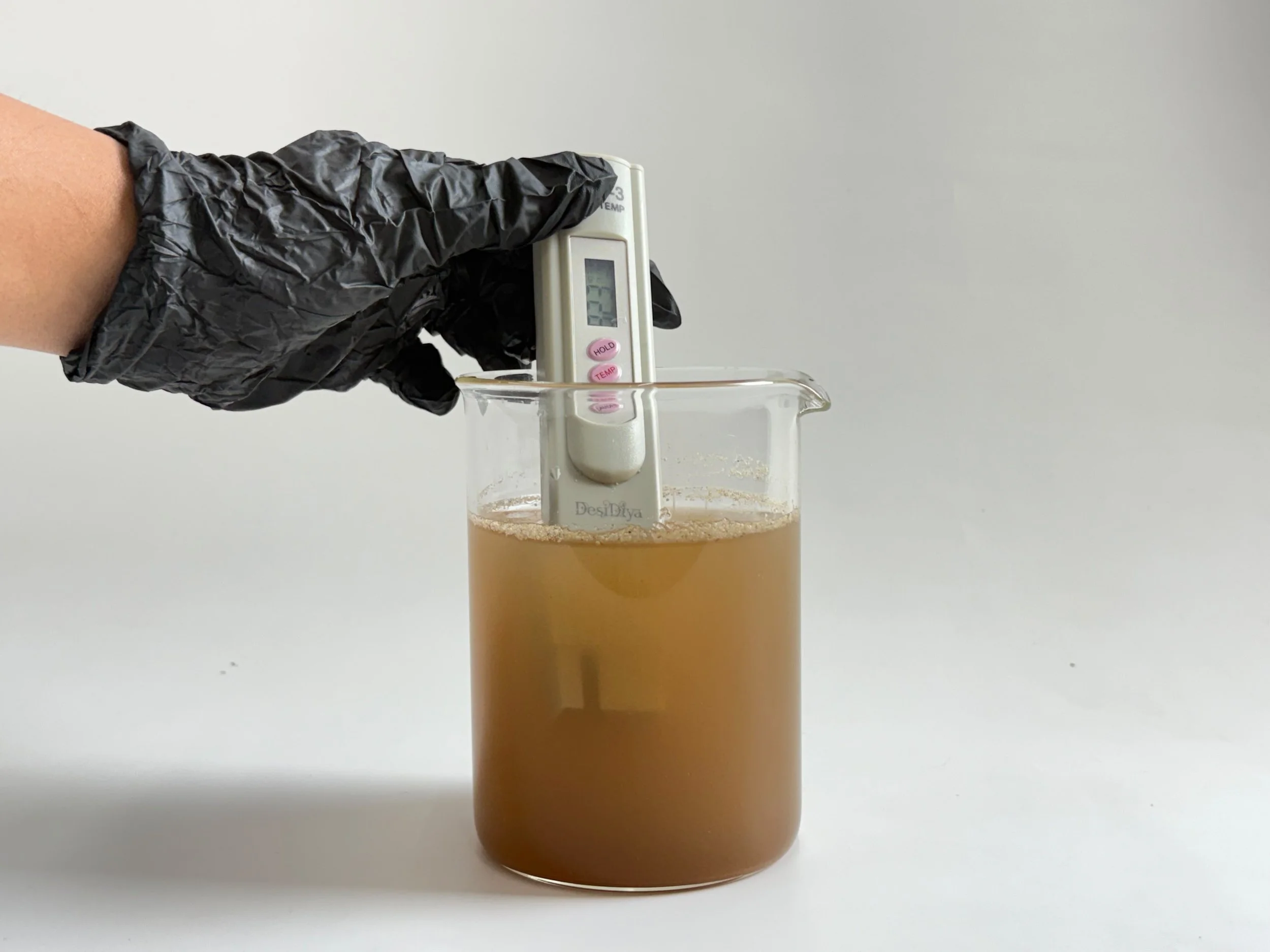
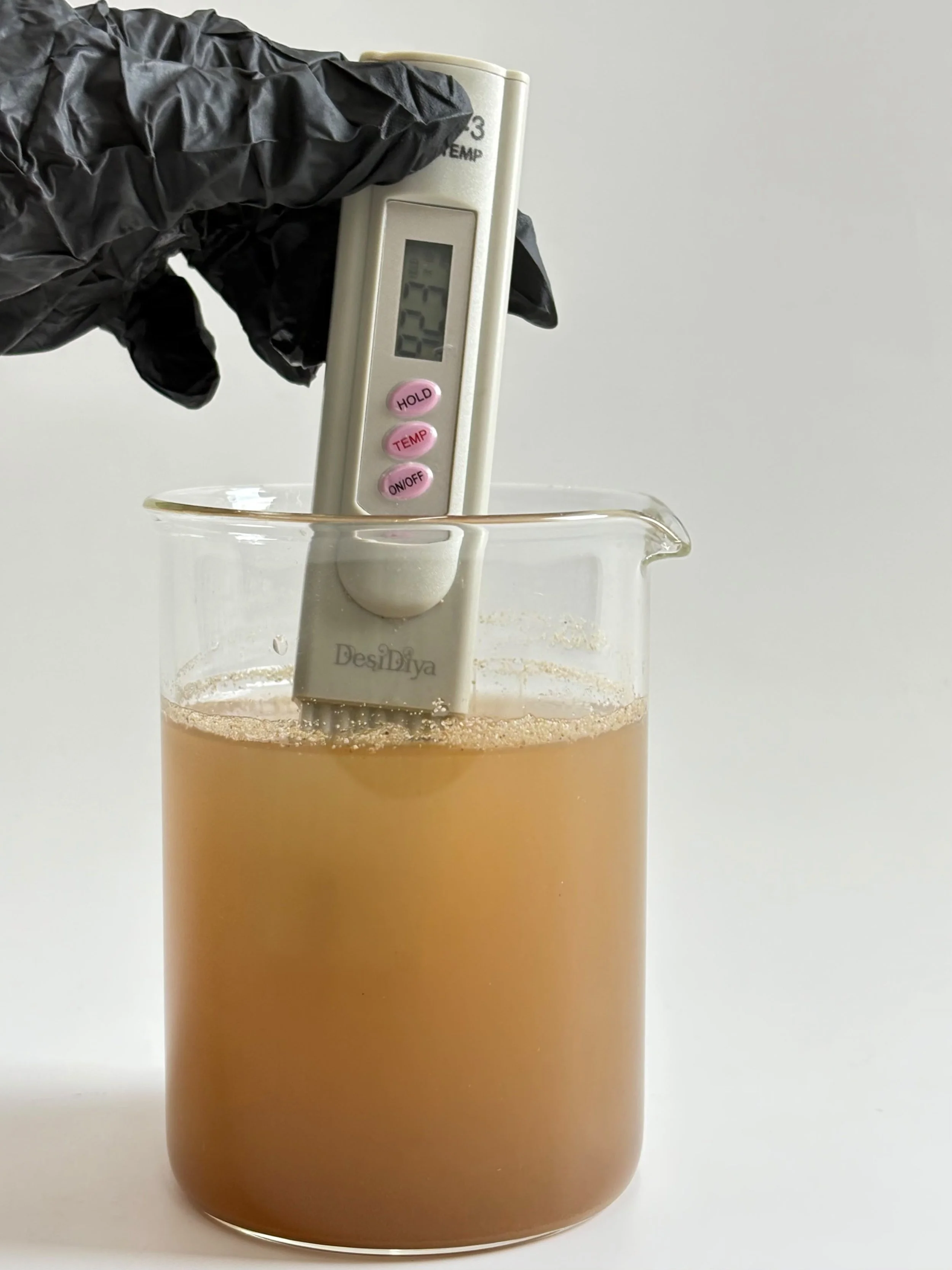
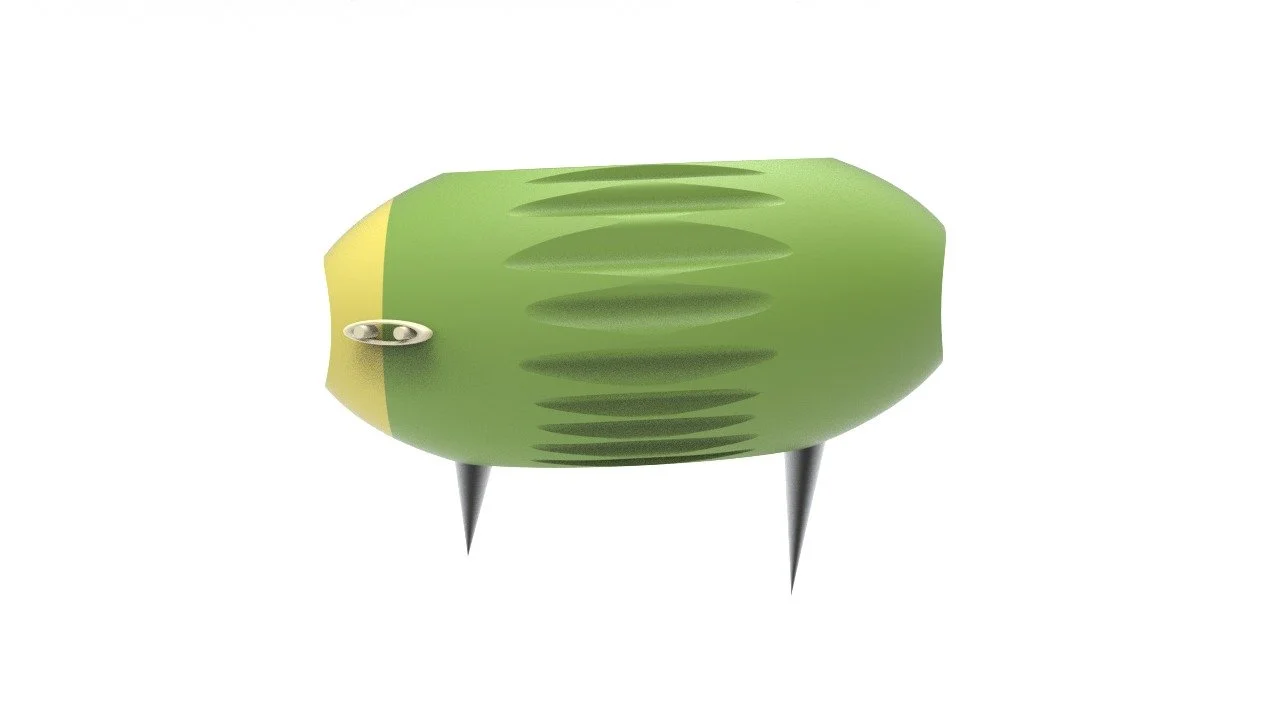
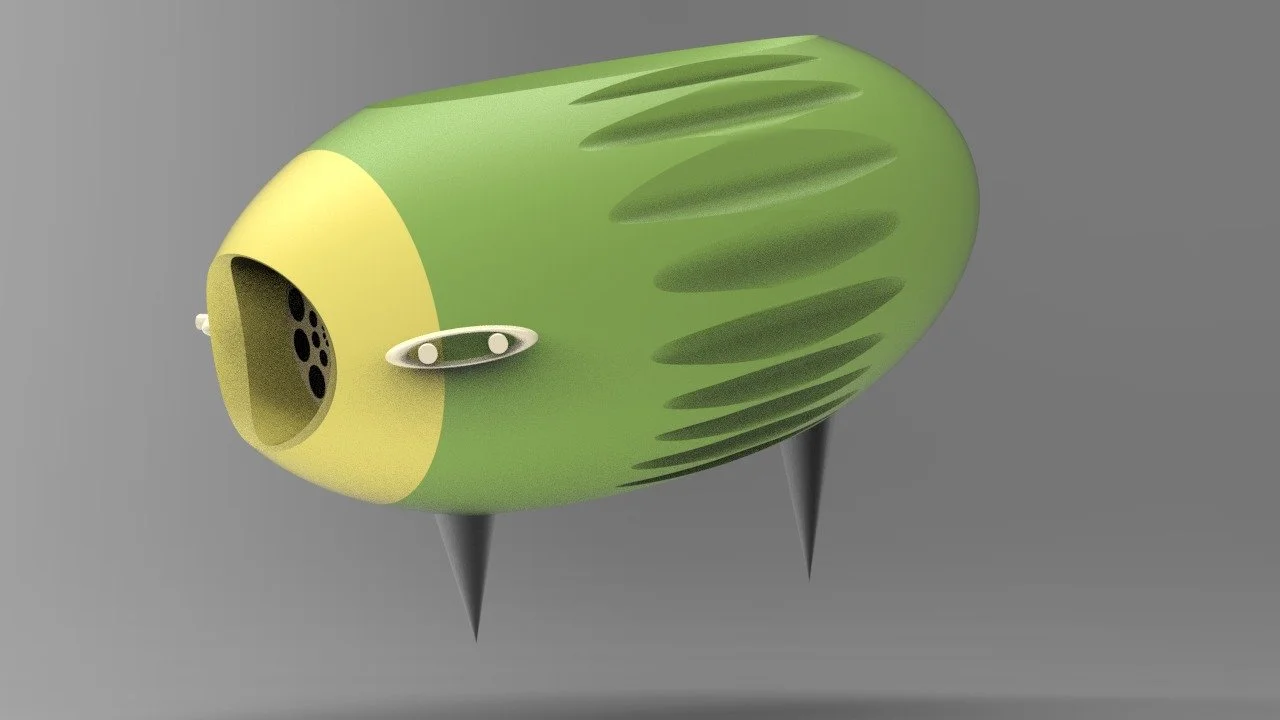
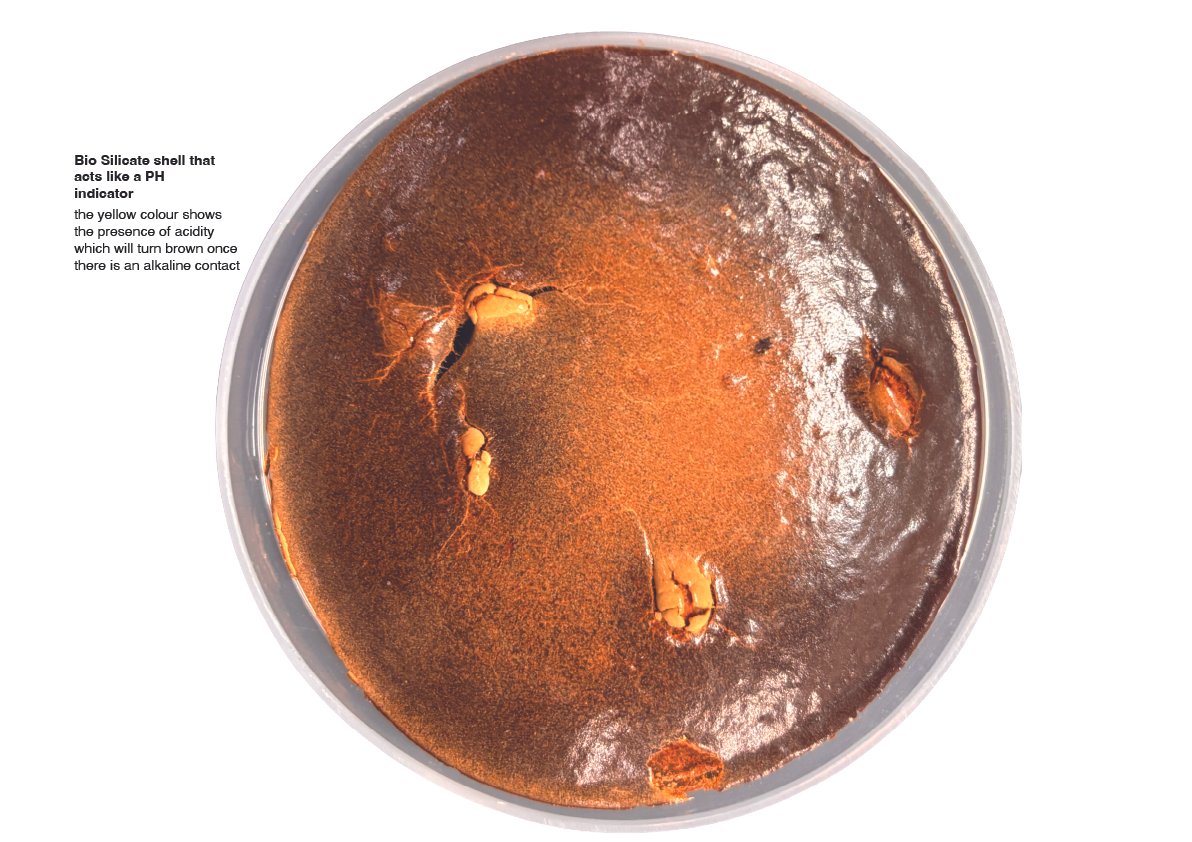
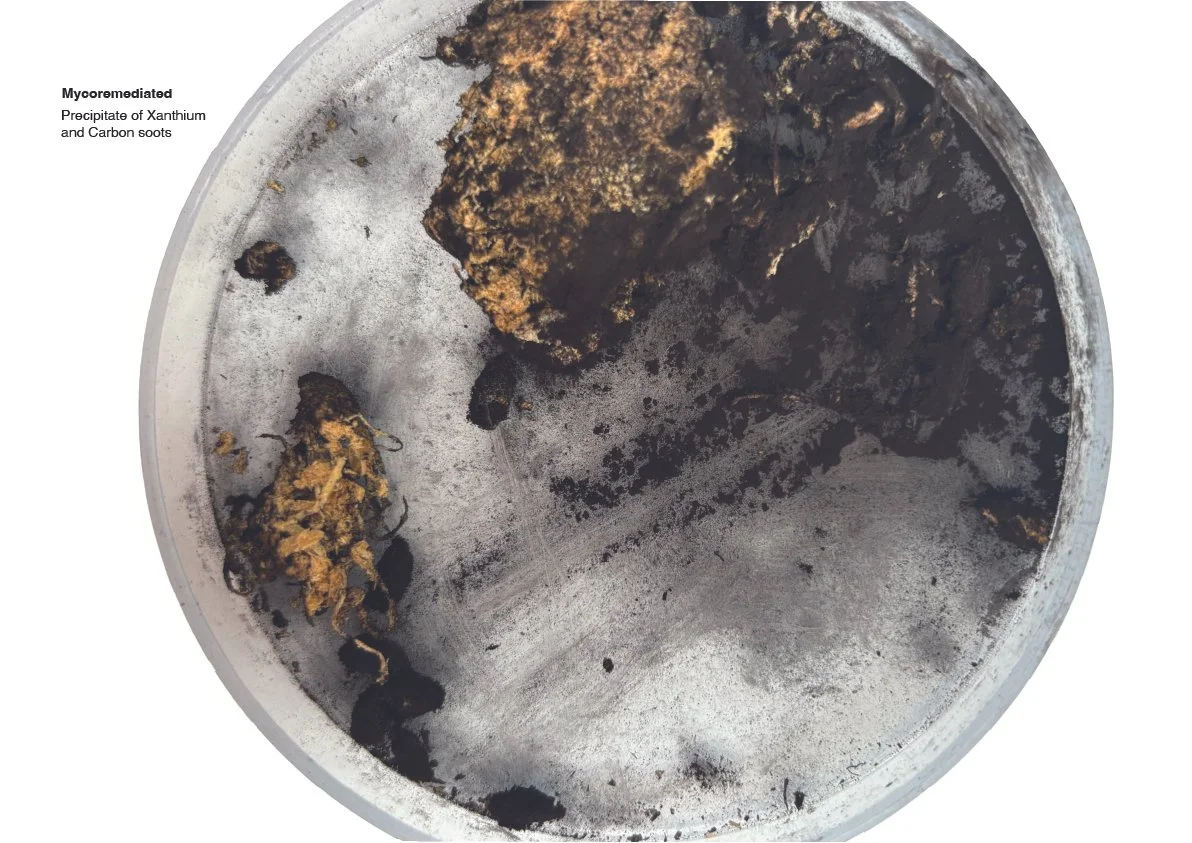
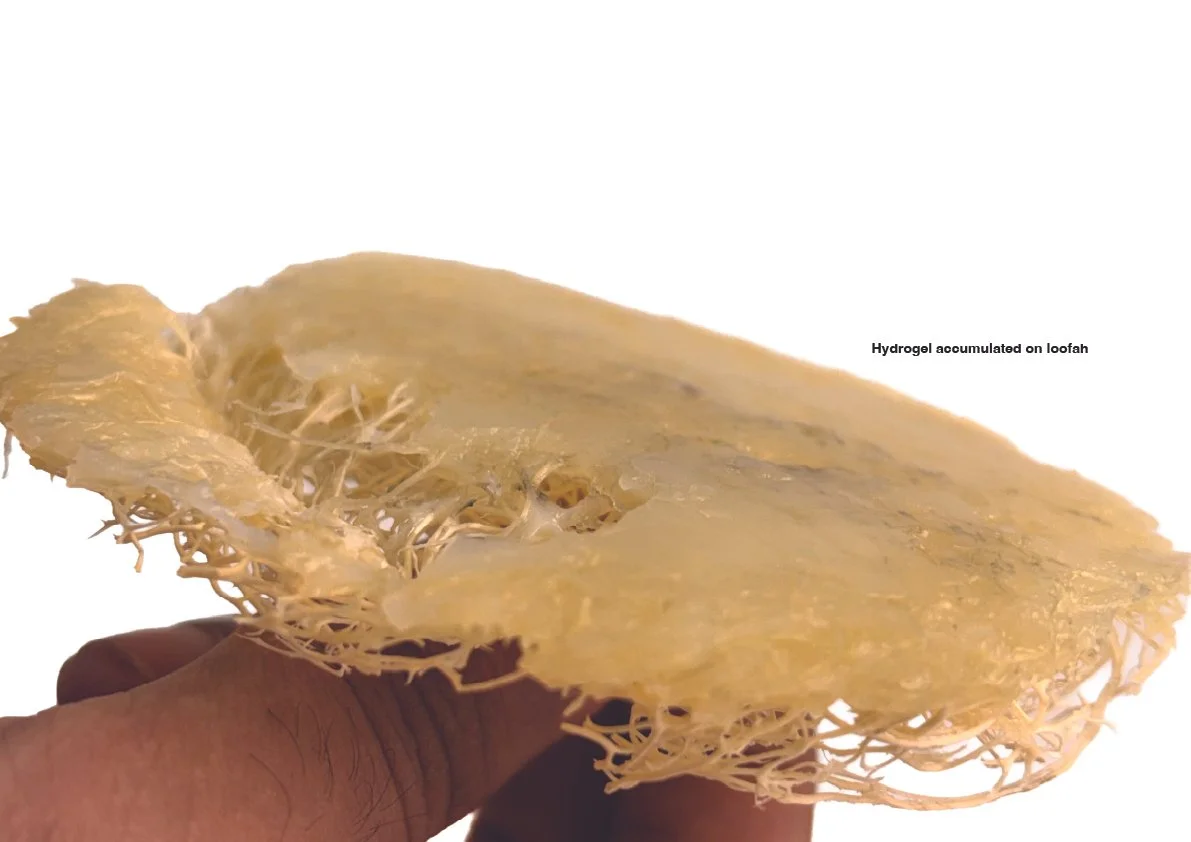
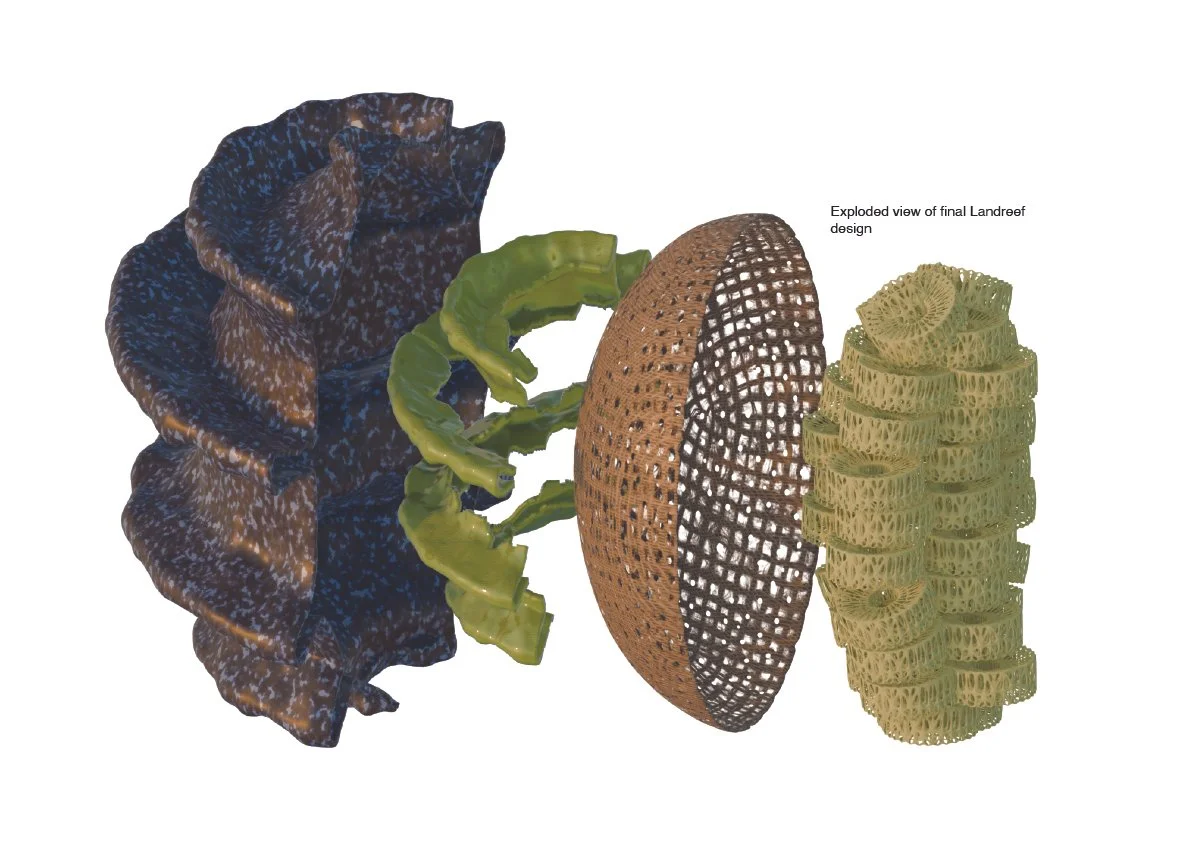
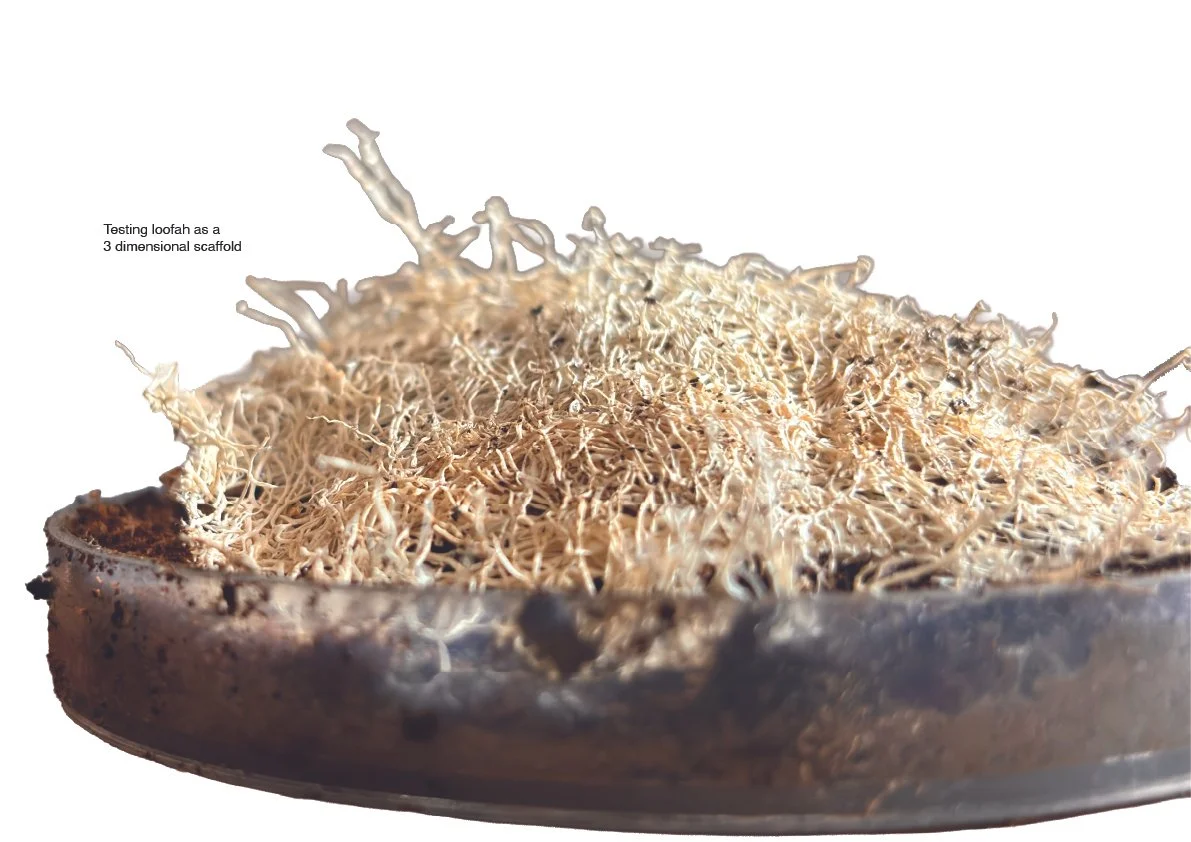
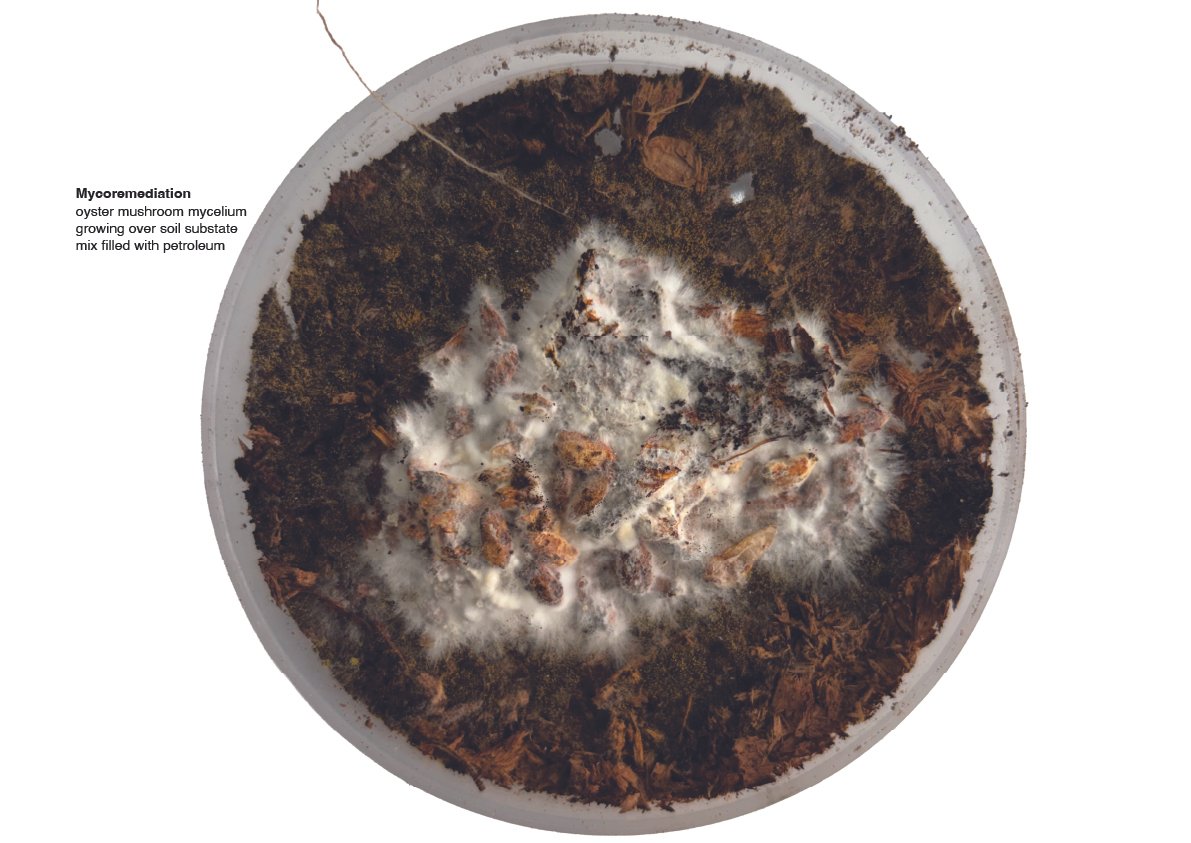
Landreef is a self sustaining pod designed to help remediate and regulate soil on the verge of synthetic desertification. This is a lowtech soft-system harnessing the traites of oyster mushroom mycellium to effectively mycoremidiate soil leached in petrolleum and petrolleum based products, producing carbon and nitrogen compounds which are already good for soil health. This pod creates a natural system which needs no human or electronic intervention whatsoever, which self indicates the phase of its change with the help of realtime ph indicating shell. The insides are packed with hydrogel to keep the system moist and finally in the core we have loofah packed with oyster mushroom mycellium. This pod is meant to be introduces on the site in a grid of 2 meter square for the most effective remediation.
Re-Pad
Nonfinalist Project
Alankrita bhattacharya, Kaushik raj, Sanya yadav
Millions of sanitary pads are disposed of every month, yet most end up in landfills because their biodegradable and non-biodegradable components remain permanently attached and enter mixed waste streams. Through our research, we identified that the real problem begins not at the landfill, but at the point of disposal, where segregation rarely occurs due to convenience, privacy concerns, and social stigma. To address this, we designed RePad, a modular sanitary pad that enables easy material separation after use. The pad consists of a biodegradable absorbent core and a technical backing layer connected through a peelable interface. With a simple pull tab, users can separate the two material streams in seconds and dispose of them in dedicated opaque pouches provided with the product. By redesigning the moment before disposal, RePad promotes source-level segregation, supports circular material recovery, and encourages sustainable waste management through a simple behavioral intervention.
Instructors 2026
Thomas Mical has been a tenured professor in design theory and research dean in the US, Canada, Australia, New Zealand, and India. At The Design Village (India) he works on design research methods, soft machines, and multiple ecologies.