
Universidad de los Andes
PROJECTS 2026
MOSSU
FINALIST PROJECT
Gold Medal Recognition for Narrative, Concept, and Reflection
Emiliana Llanos, Juan Daniel Ariza Vargas, Tomas Atuesta, Ana Mora, Isabella Arias
MOSSU is a modular diaper system that addresses the environmental crisis caused by disposable diapers — products that take 500 years to decompose and break down into microplastics. It combines a reusable organic cotton mini-short with a compostable bio-active cartridge built on a Core-Shell architecture: blended Sphagnum moss, which absorbs up to 47 times its weight, encapsulated in a calcium alginate hydrogel. Through ionic gelification, liquid locks under pressure — achieving a 16.0x absorption factor without petrochemicals. A natural pH biosensor dyed with red cabbage anthocyanins alerts parents to bacterial infections. When saturated, the cartridge doesn't go to the trash. It becomes bio-fertilizer.
NIBO Snacks
Nonfinalist Project
Andrés Felipe Archila Iglesias, Nayibe Bechara, Catalina Cavelier, Elena Otoya
NIBO Natural Bocados is a functional snack designed to address hidden hunger in middle-income urban children in Bogotá, Colombia. More than 30% of Colombian children suffer micronutrient deficiencies despite normal caloric intake, because their bodies cannot absorb what they eat. NIBO delivers iron, zinc, calcium, and B-complex vitamins through a heat-resistant vitamin and mineral premix embedded in a corn cylinder, a Takis-style snack children already want. A cold-applied coating of fermented, dried Malabar spinach mucilage acts as a prebiotic agent, promoting beneficial gut bacteria that amplify micronutrient absorption. Developed with the Fenicia community in Bogotá through co-design sessions and validated by real children, NIBO works because it requires no behavioral change, just a better snack.
Derma UV
Nonfinalist Project
Lía Fonseca Riccardia, Isabella Olano Rueda, Valentina Ruiz Rubio, Sophia Feghali Rodríguez, Manuela Ospina Cuello
DERMA UV is a biodesign project that explores new ways of protecting outdoor workers from prolonged exposure to ultraviolet (UV) radiation. The project responds to the low adoption of conventional sunscreen among workers such as recyclers, street vendors, construction workers, and rural laborers, who often face barriers such as cost, discomfort, and the need for constant reapplication. Inspired by natural biological defense mechanisms, DERMA UV proposes a soap bar infused with melanin extracted from the fungus Aspergillus nidulans. By integrating photoprotective properties into a daily hygiene routine, the project seeks to make skin protection more accessible, practical, and consistent. Through experimental testing with chlorotypes and UV-sensitive nail polish, DERMA UV investigates how biodesign can transform natural processes into innovative solutions for everyday health and well-being.
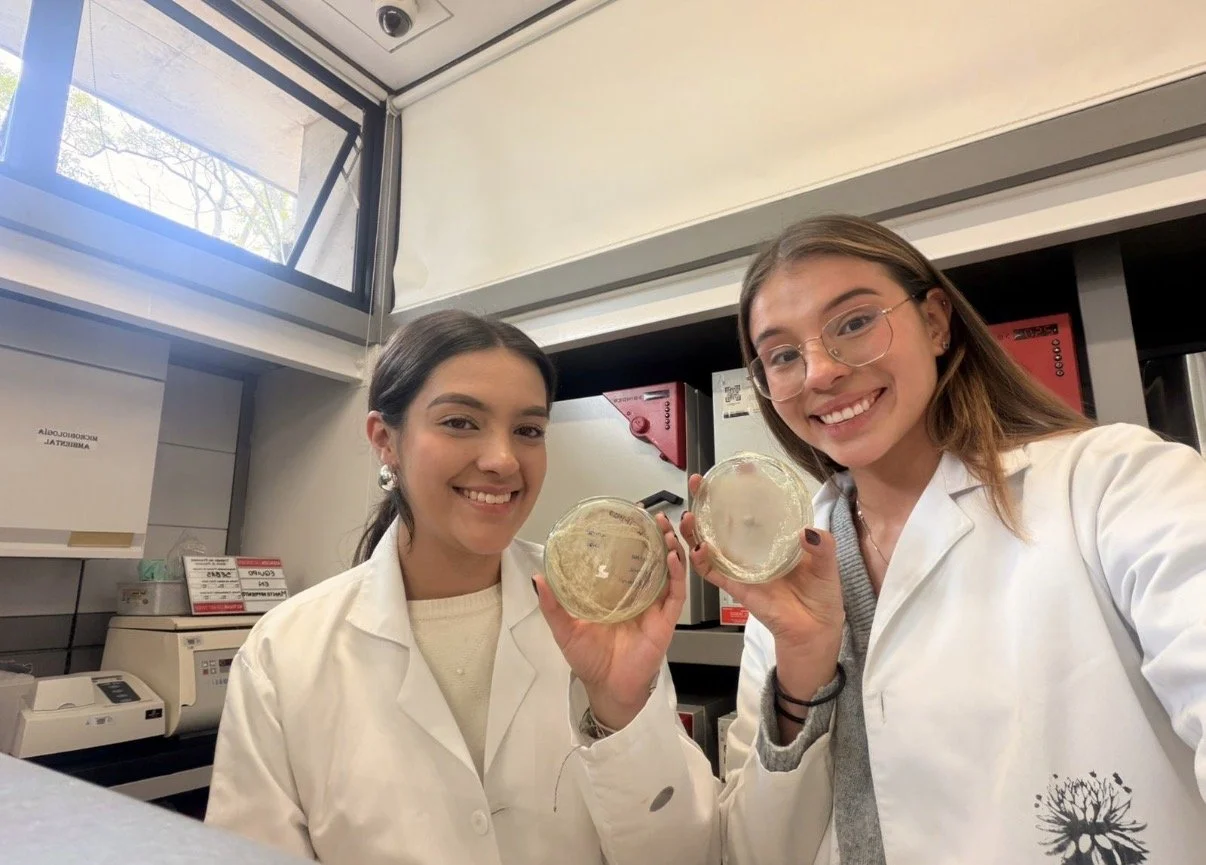
Instructors 2026
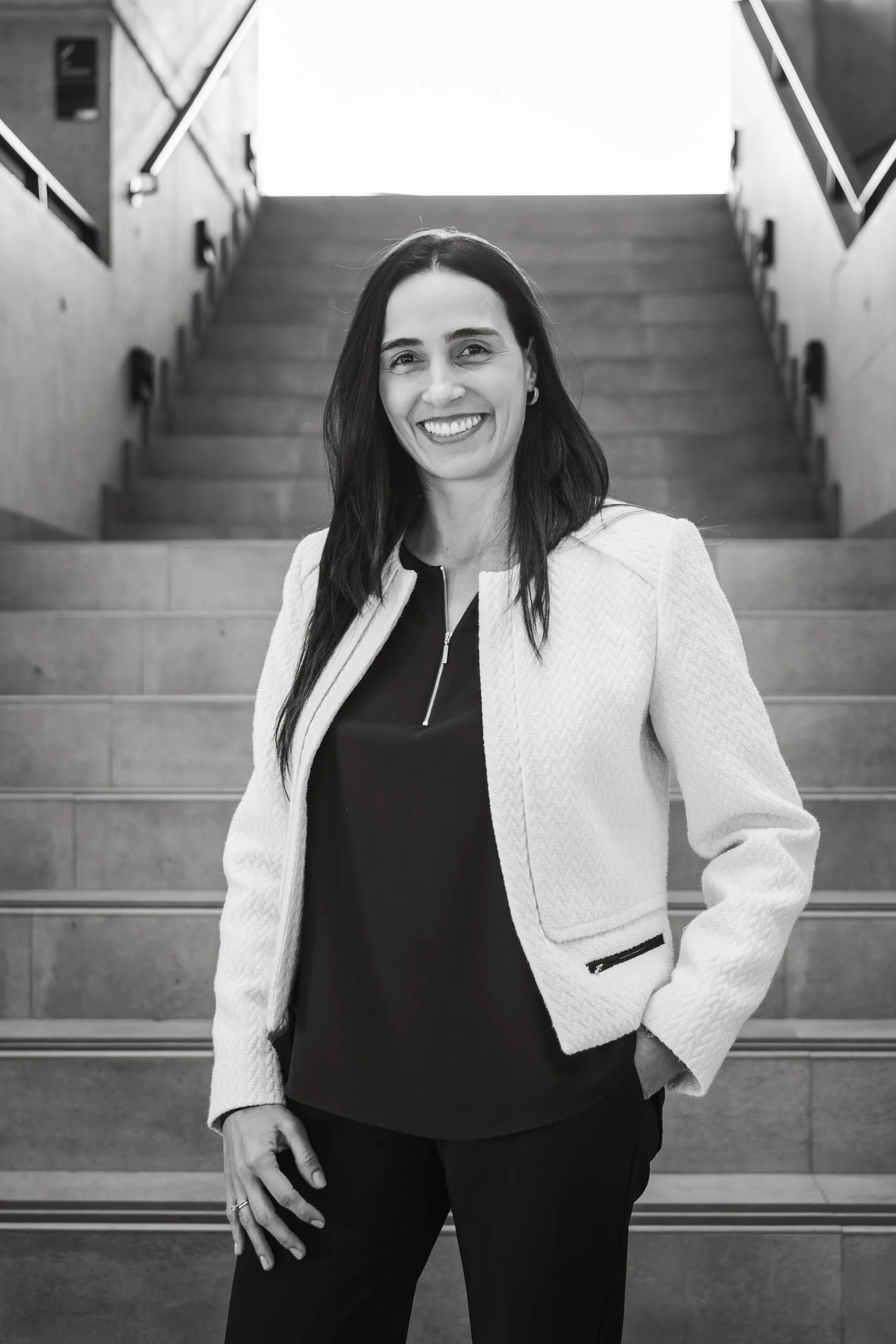
Giovanna Danies is the mother of Ernesto, Antonio, and Elisa. She has built a distinguished career in science, education, and interdisciplinary innovation. She holds a Ph.D. in Plant Pathology from Cornell University, a Master’s degree in Biological Sciences, and undergraduate degrees in Biology and Microbiology from Universidad de los Andes in Bogotá, Colombia. She is an Associate Professor in the School of Architecture and Design at Universidad de los Andes, where she leads initiatives integrating design, biology, and technology. Her research focuses on biodesign as a platform for addressing scientific and social challenges through collaboration and interdisciplinary approaches. She has mentored award-winning projects in the Biodesign Challenge and received the L’Oréal–UNESCO For Women in Science Award in Colombia in 2019, followed by the Global STEM Woman Award in 2025. She also leads Atarraya Uniandes and co-founded the biotechnology startups NanoFreeze, E.biodye, and Woocoa, advancing STEM education and sustainable innovation worldwide.