
University of Ljubljana Academy of Fine Arts and Design

PROJECTS 2026
LEAFO

FINALIST PROJECT
Gold Medal Recognition for Narrative, Concept, and Context
Iva Ferlinc, Maja Selinšek
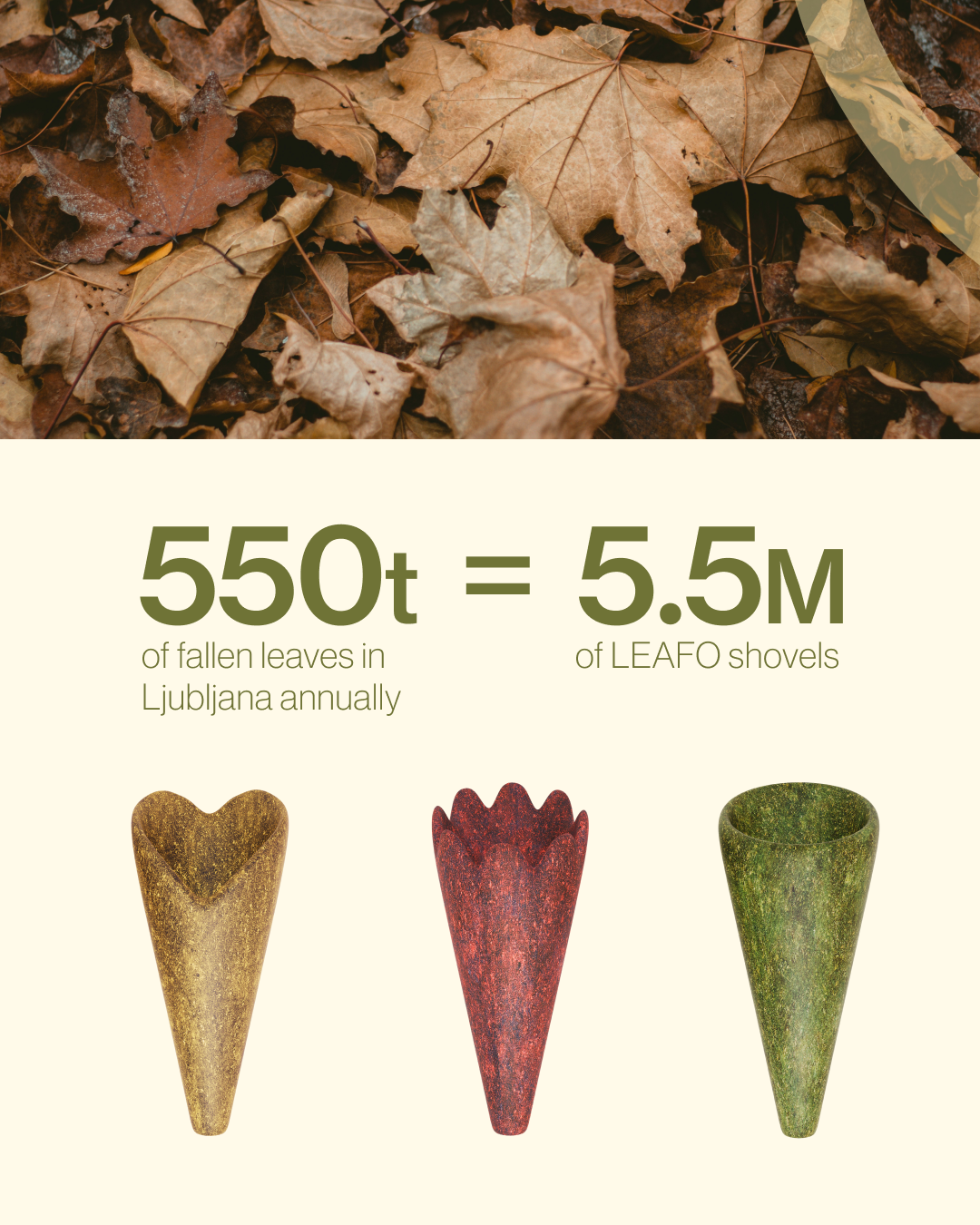
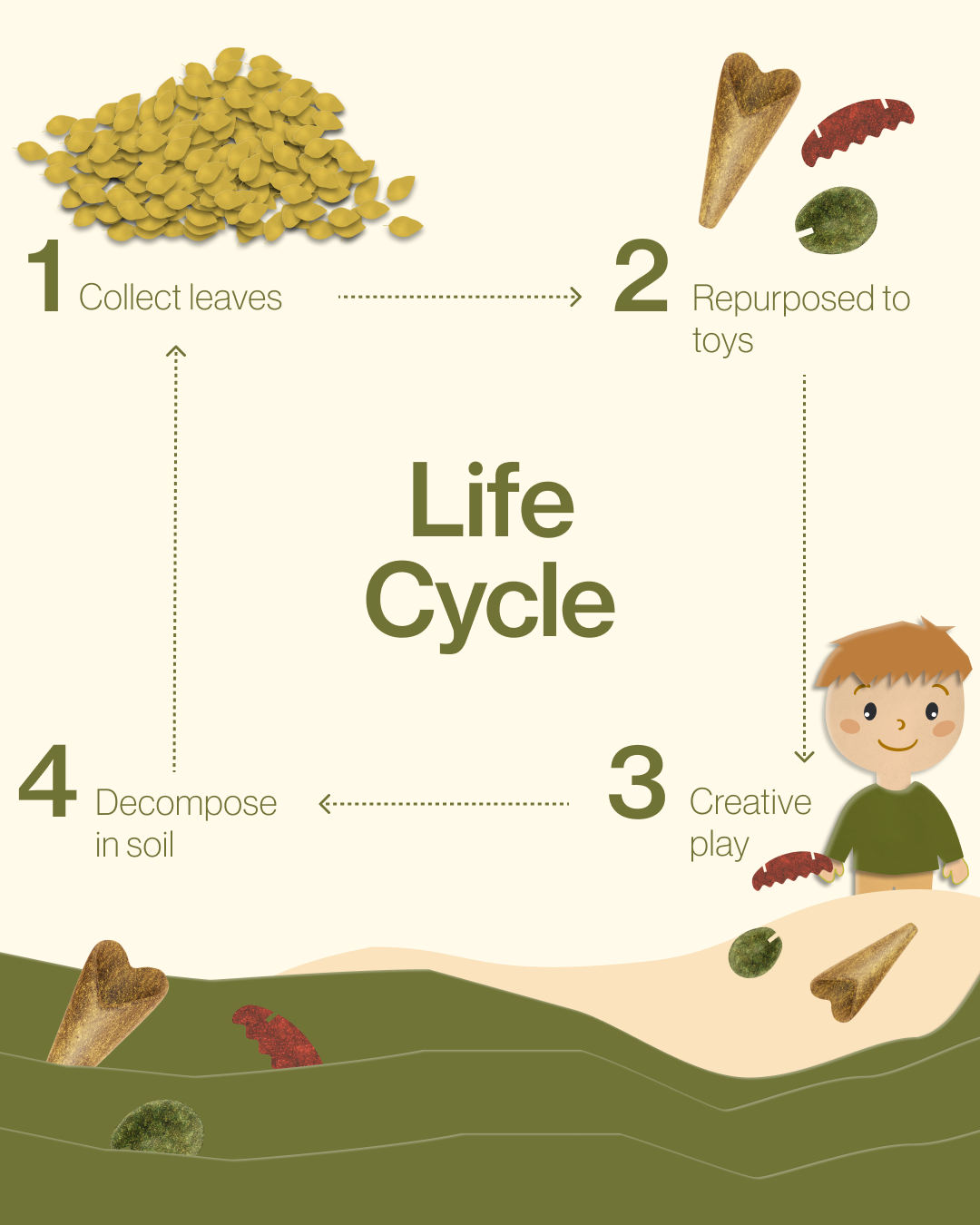
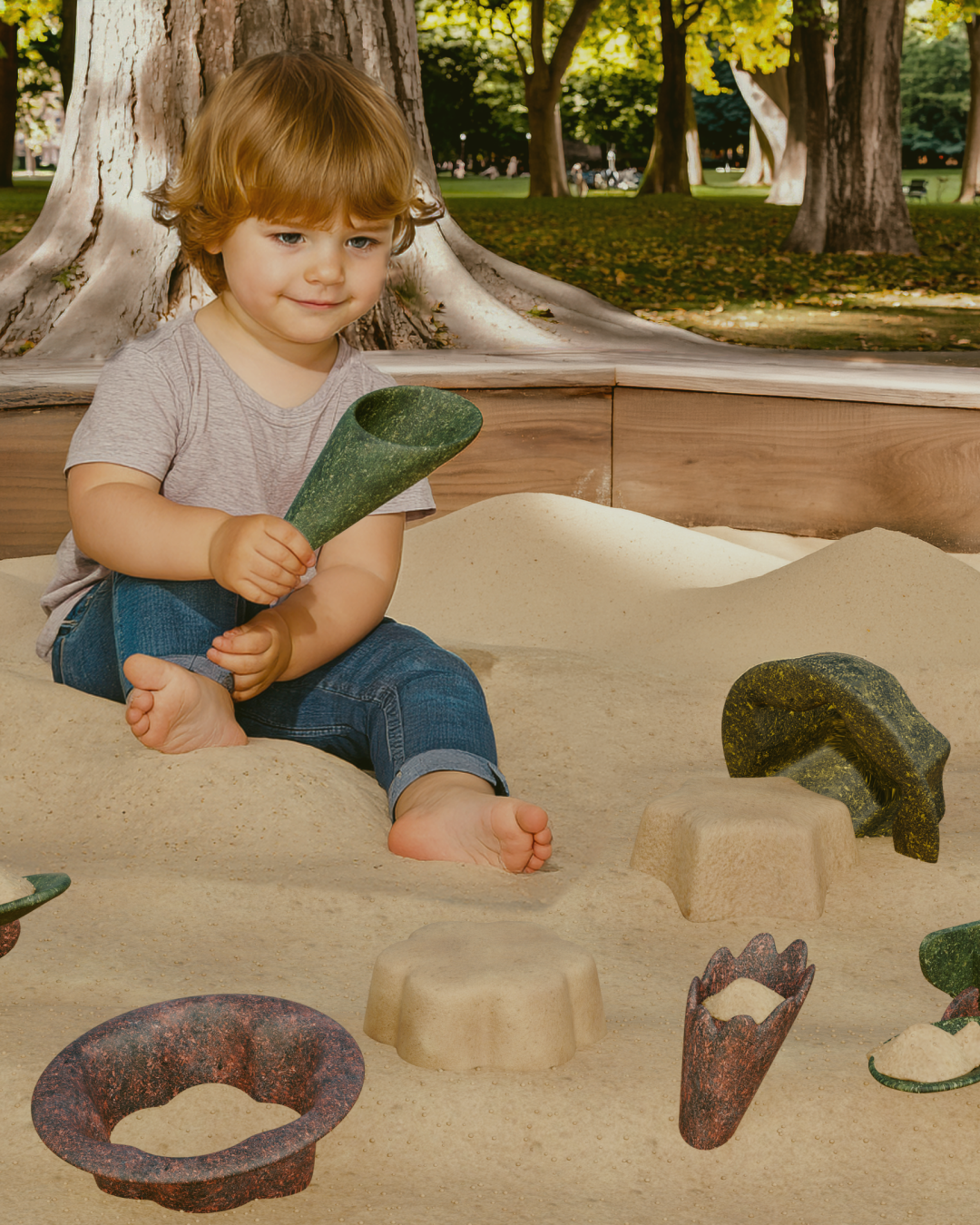
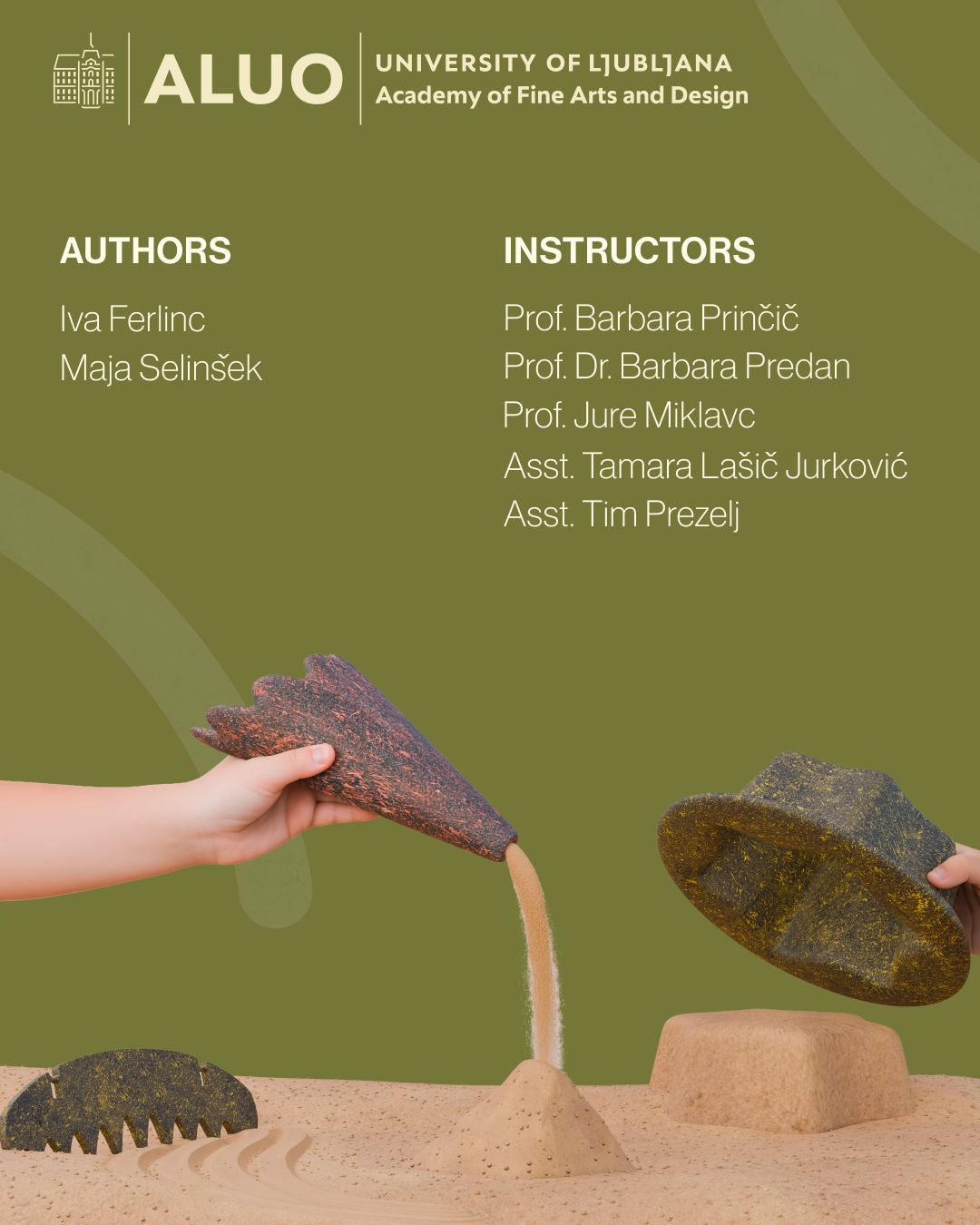
LEAFO is a circular design project that transforms urban leaf waste into biodegradable playground tools for creative, open-ended play. Addressing both the decline of unstructured sand play and the accumulation of fallen leaves in cities, it converts leaf biomass into a sustainable composite using natural binders and plant-based pigments. Inspired by natural forms, the toolkit encourages imagination, exploration, and experimentation. By turning seasonal waste into play infrastructure, LEAFO supports creativity while creating a regenerative material cycle.



IKO – An Evolving Playground Ecosystem
Nonfinalist Project
Jovana Mališić, Lejla Mehanoli Alić, Leja Rebolj
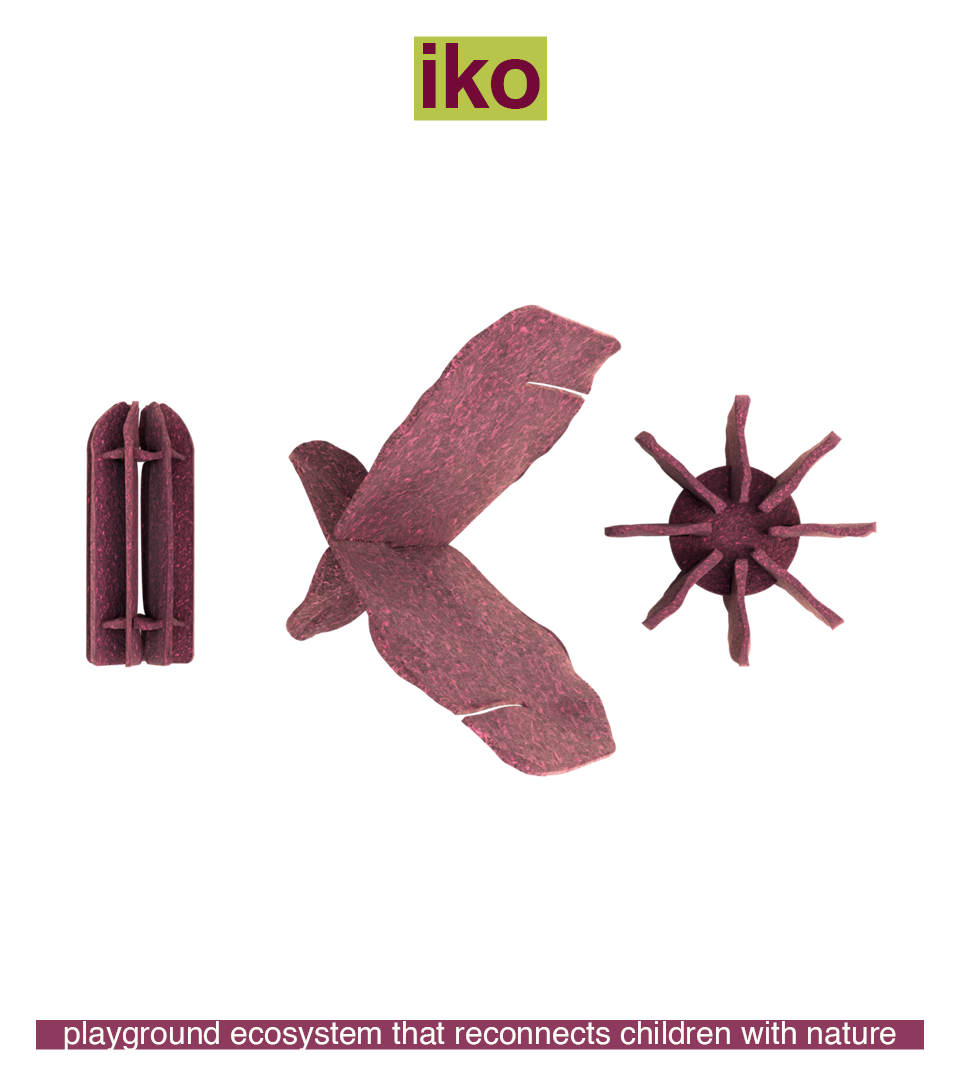
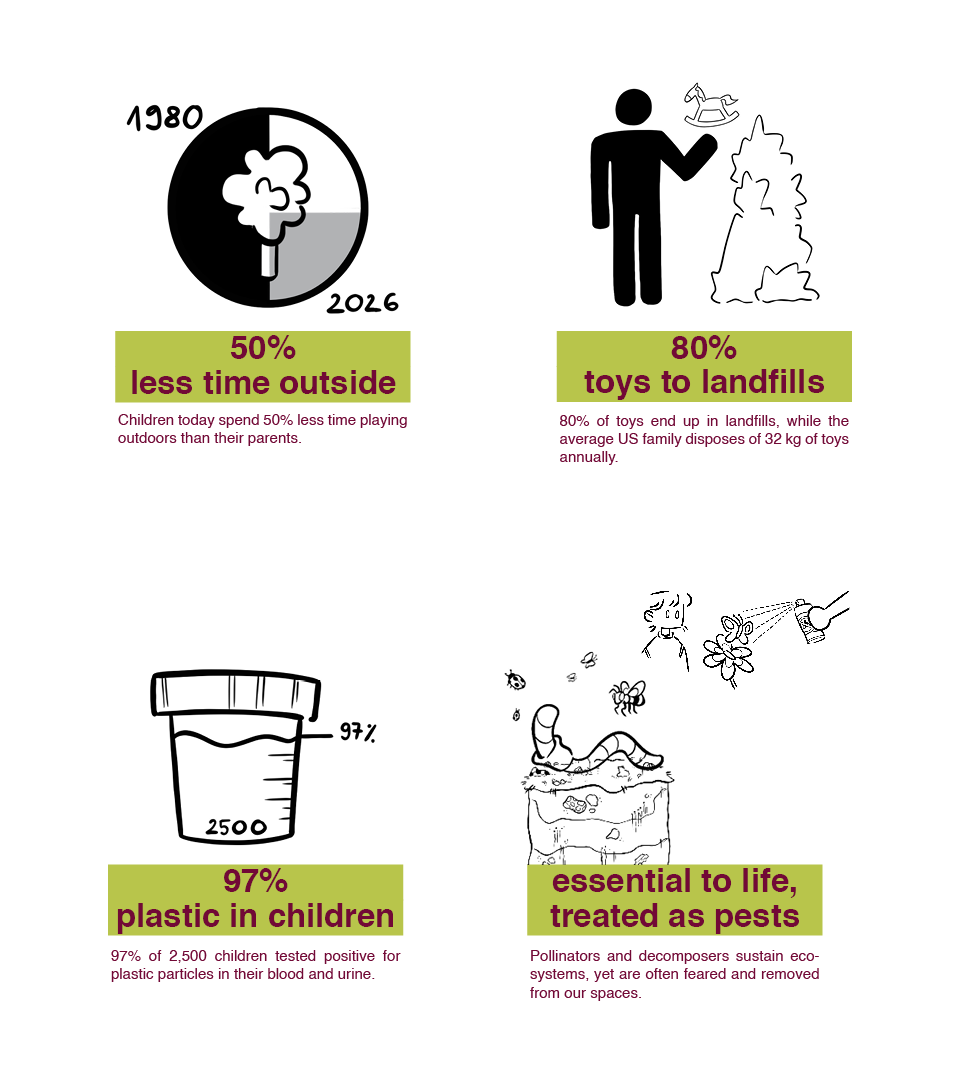
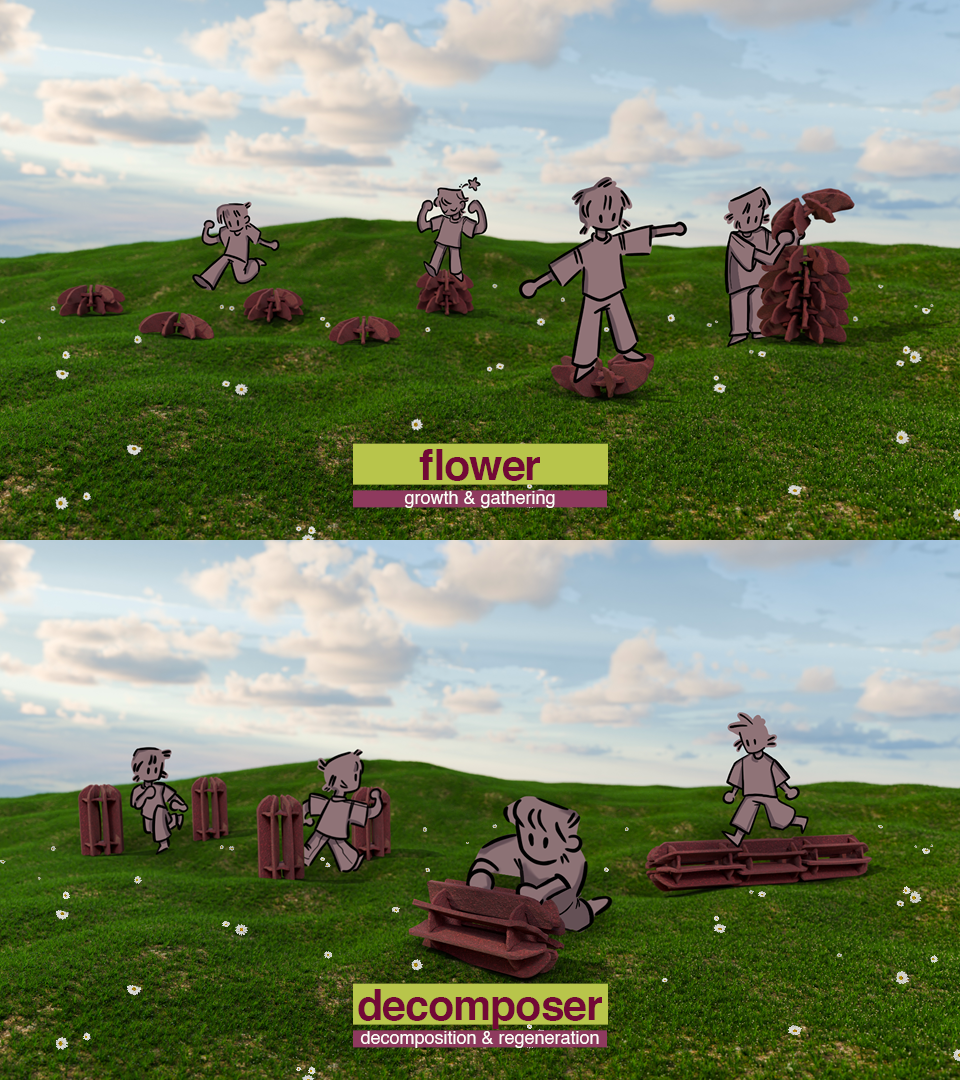
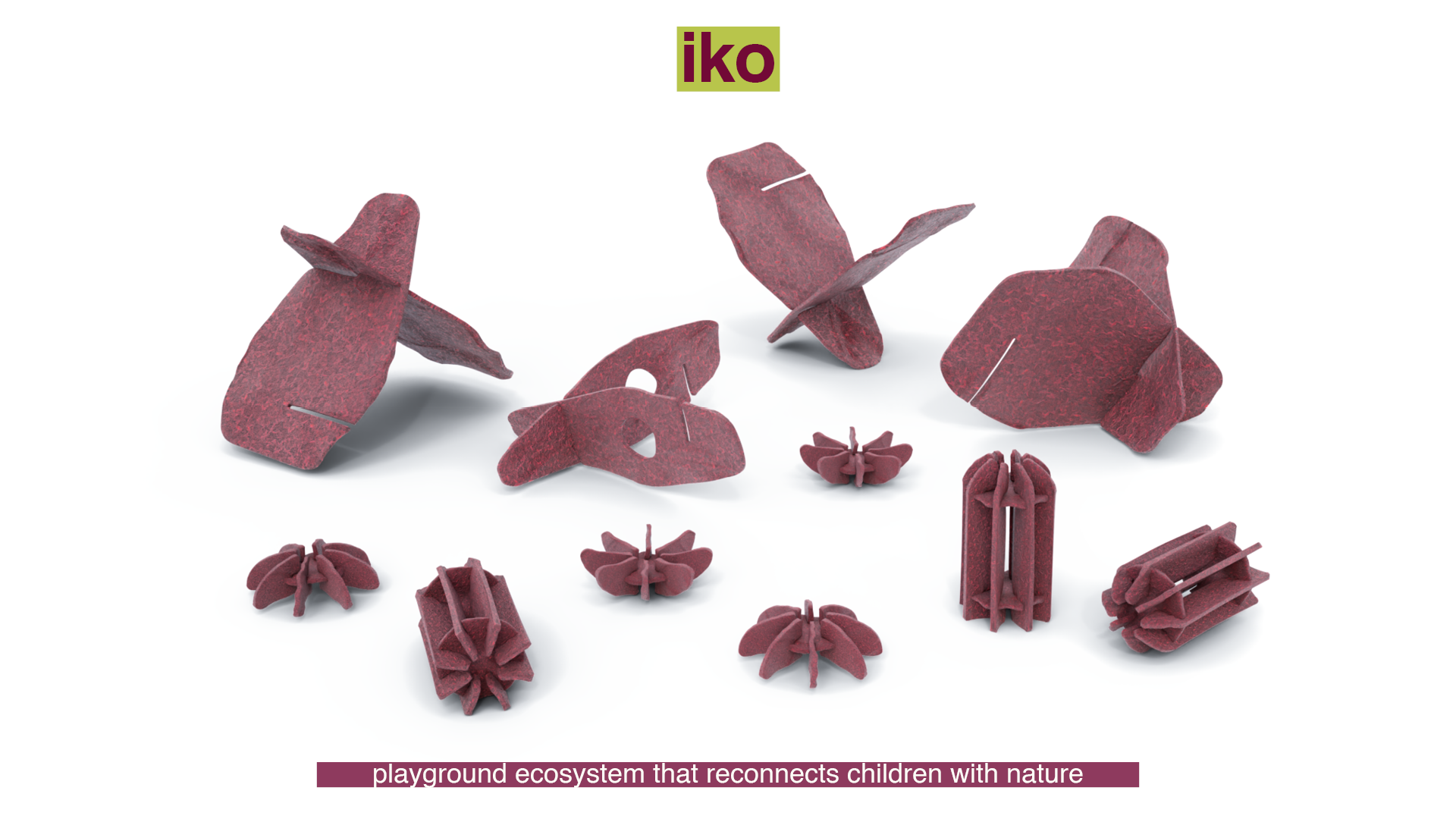
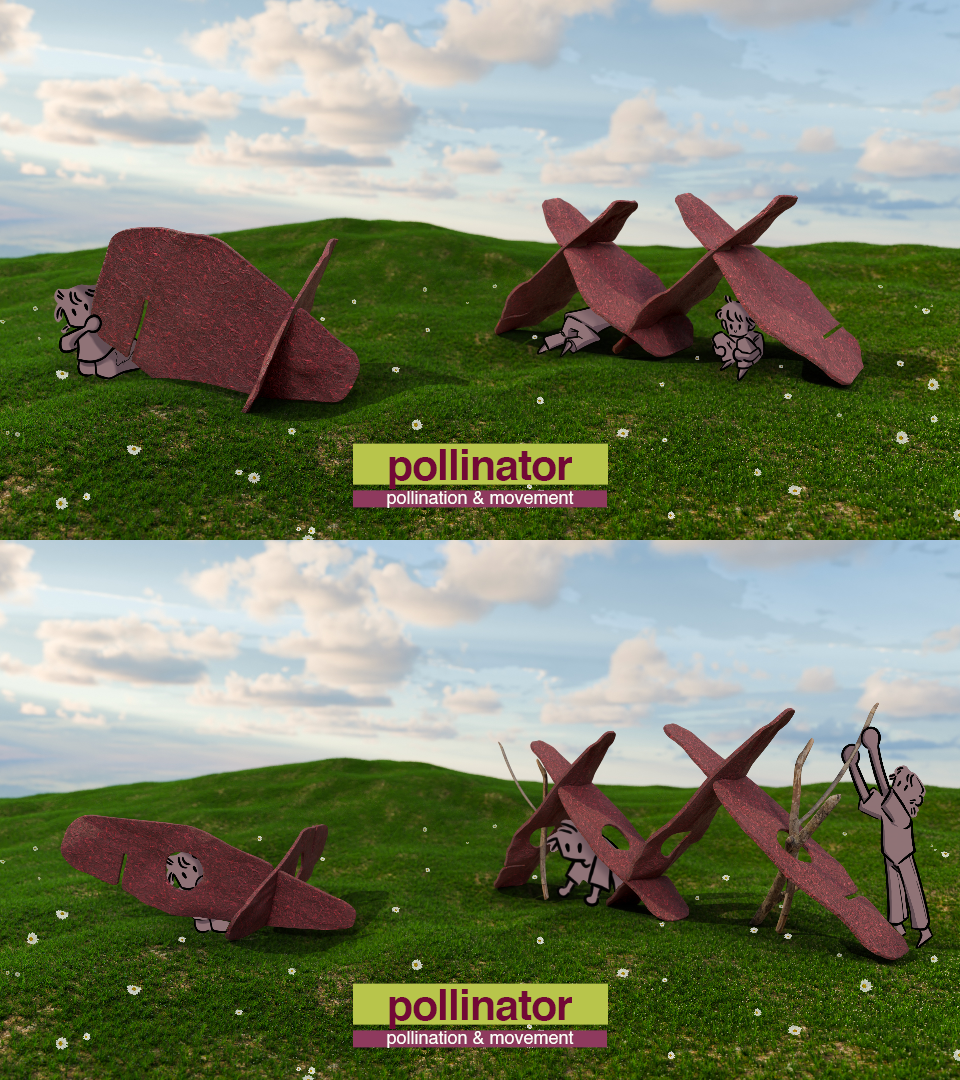
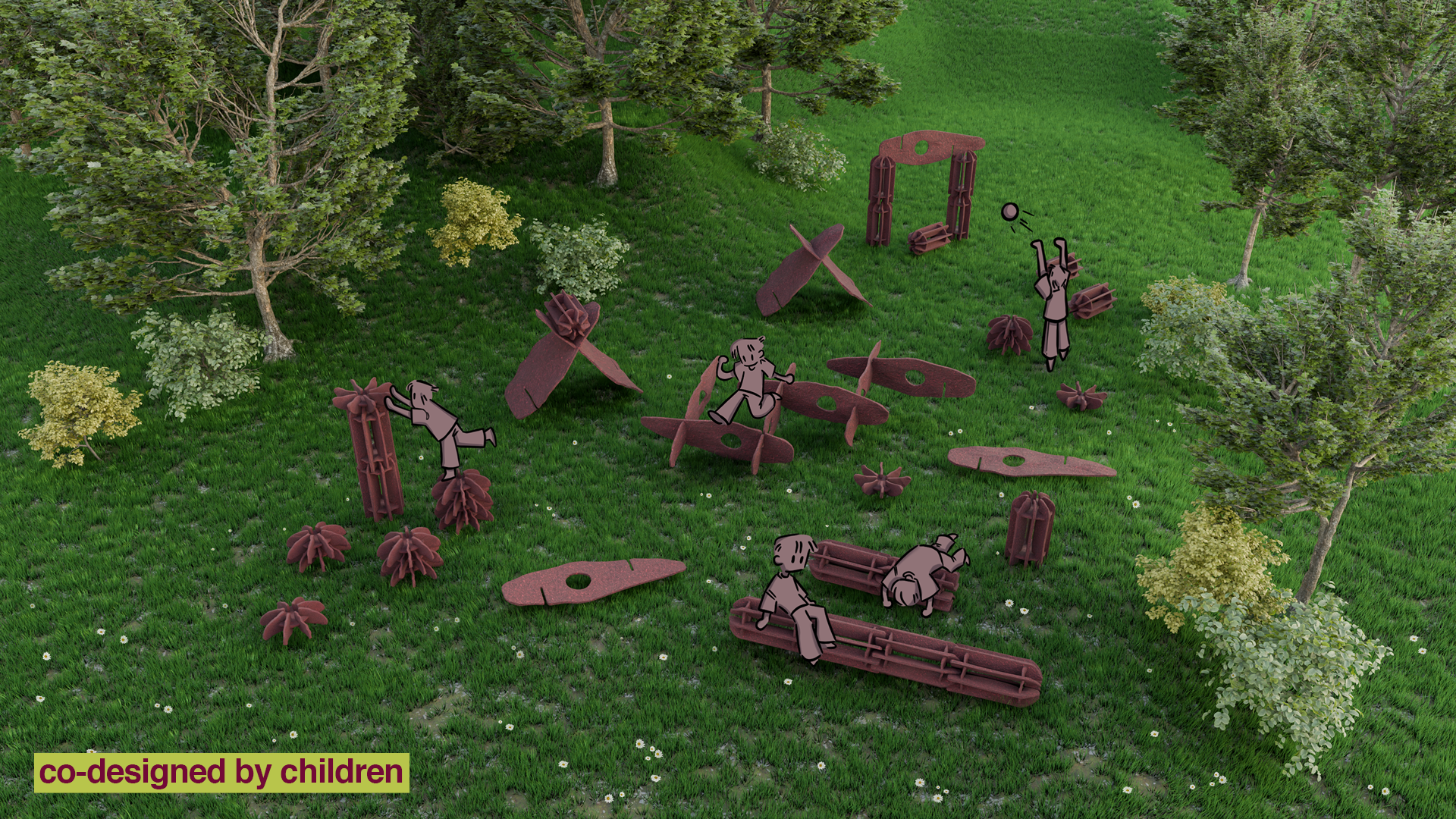
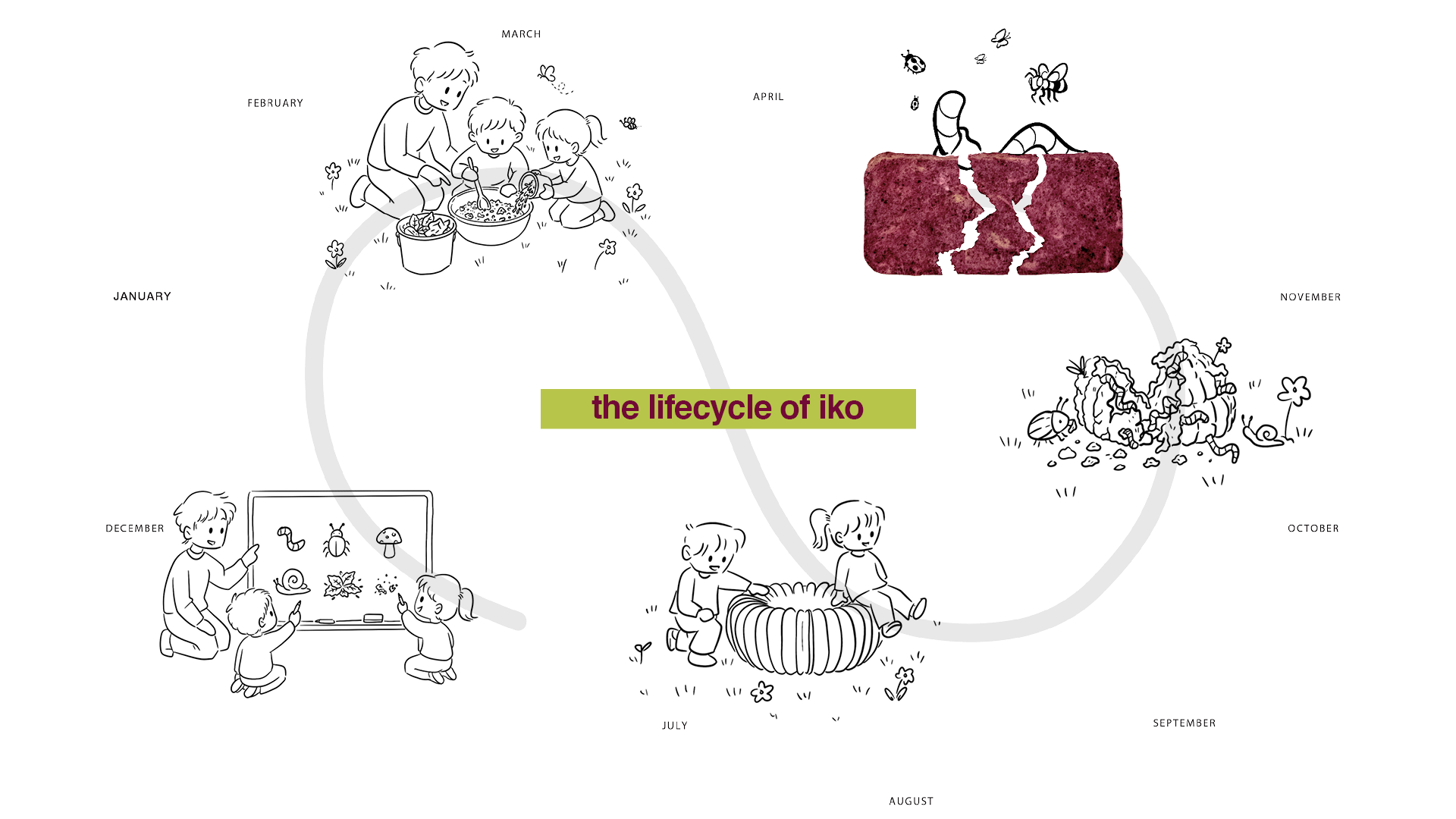
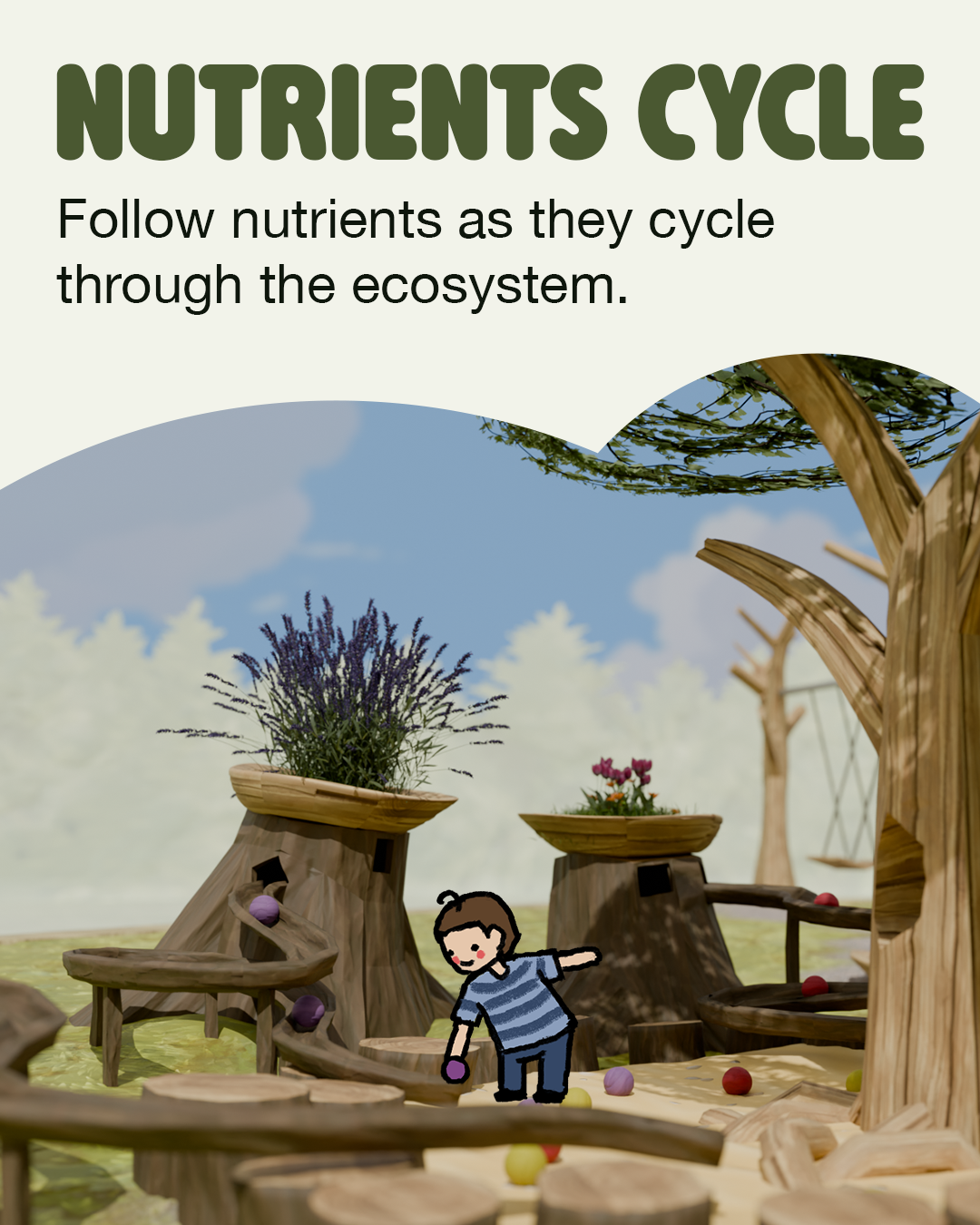
Children today spend less time in nature than any generation before them. Surrounded by artificial environments and disposable plastic products, they are growing disconnected from nature and its life sustaining participants: pollinators and decomposers. Often perceived as pests, they are excluded from childrens environments. IKO reimagines the playground as a living cycle. Through open-ended modules inspired by flowers, pollinators and decomposers, children are free to build, transform and reinterpret their environment while exploring the roles these organisms play within nature. Made from locally sourced bio-waste materials, the playground is part of natures circle of life. Children create and play with the modules before they gradually decompose, inviting decomposers to return it to the soil and become nourishment for new life. IKO reimagines the playground as a living ecosystem, one that evolves alongside children, insects, materials and the environment itself.

Applescape: The Lifecycle Playground
Nonfinalist Project
Pia Golob, Florian Janez Gutmann, Lovro Tomšič
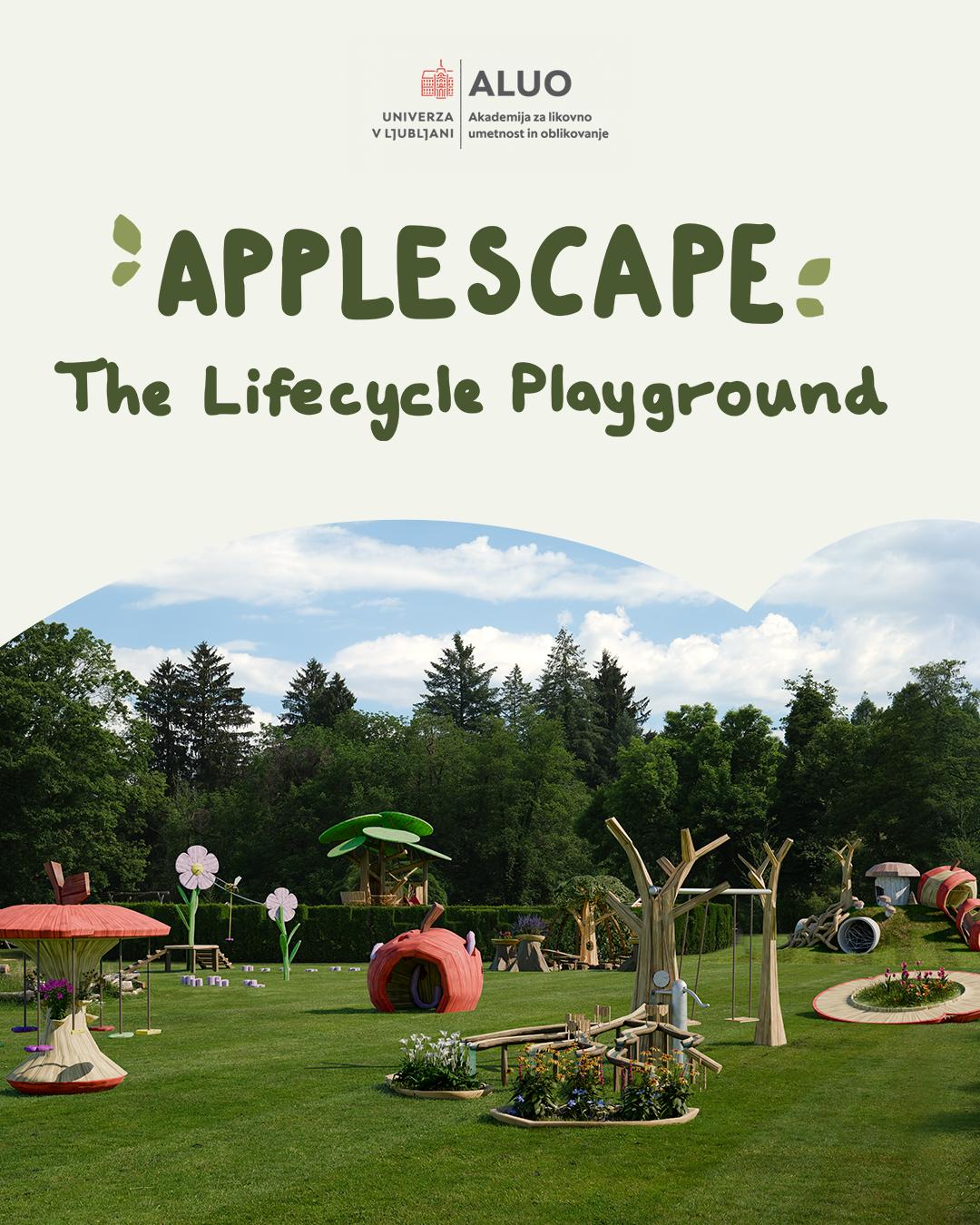
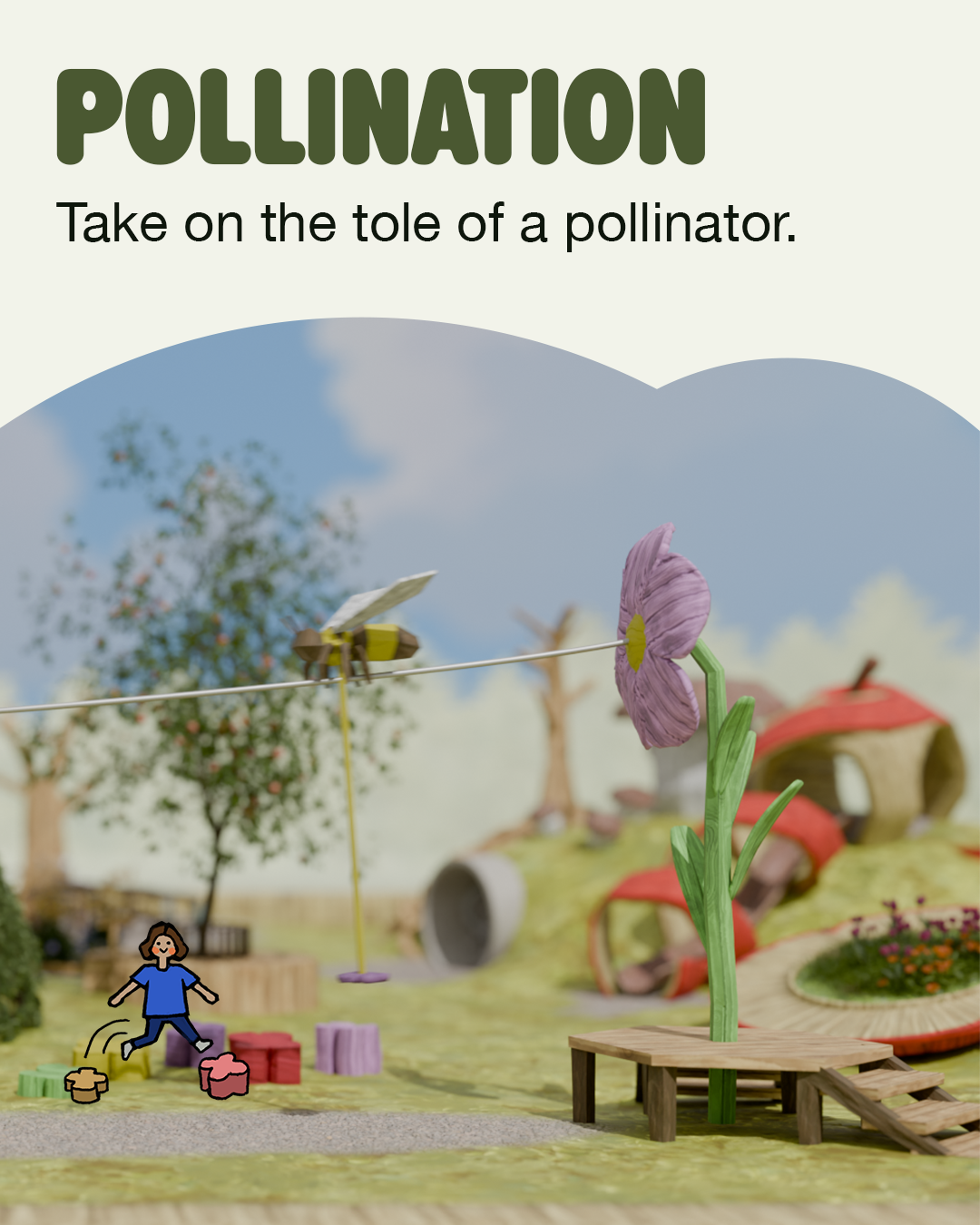
Rooted in the setting of Arboretum Volčji Potok, Slovenia's largest botanical garden, our project reimagines playgrounds as a reflection of nature. Drawing from the life cycle of an apple tree, it translates biological processes into interconnected play zones that encourage children to explore ecosystems through movement, interaction, and play. While exploring concepts such as pollination, water cycles, plant communication, and nutrient cycles, children become active participants within living systems rather than observers separated from them. Designed as a space for both humans and more-than-humans, the playground integrates native plants, circular water systems, and natural materials to foster ecological awareness, curiosity, and care from an early age.



Instructors 2026

Professor Barbara Prinčič graduated from the University of Ljubljana, Slovenia. A year after graduation she lived and worked in Taipei, Taiwan. She became well acquainted with environmental issues in design during her post-graduate studies in Holland. There she quickly came to realise that this emerging field was going to serve as the main subject-direction of her career. In her professional practice she has done a lot of work for Slovenian furniture companies. She has received several local and international awards. Today, she is focused largely on sustainable design, which she also lectures on at the Industrial Design course at the Academy of Fine Arts and Design in Ljubljana. There she currently holds a position of the head of the Department of Industrial Design and Applied Arts.
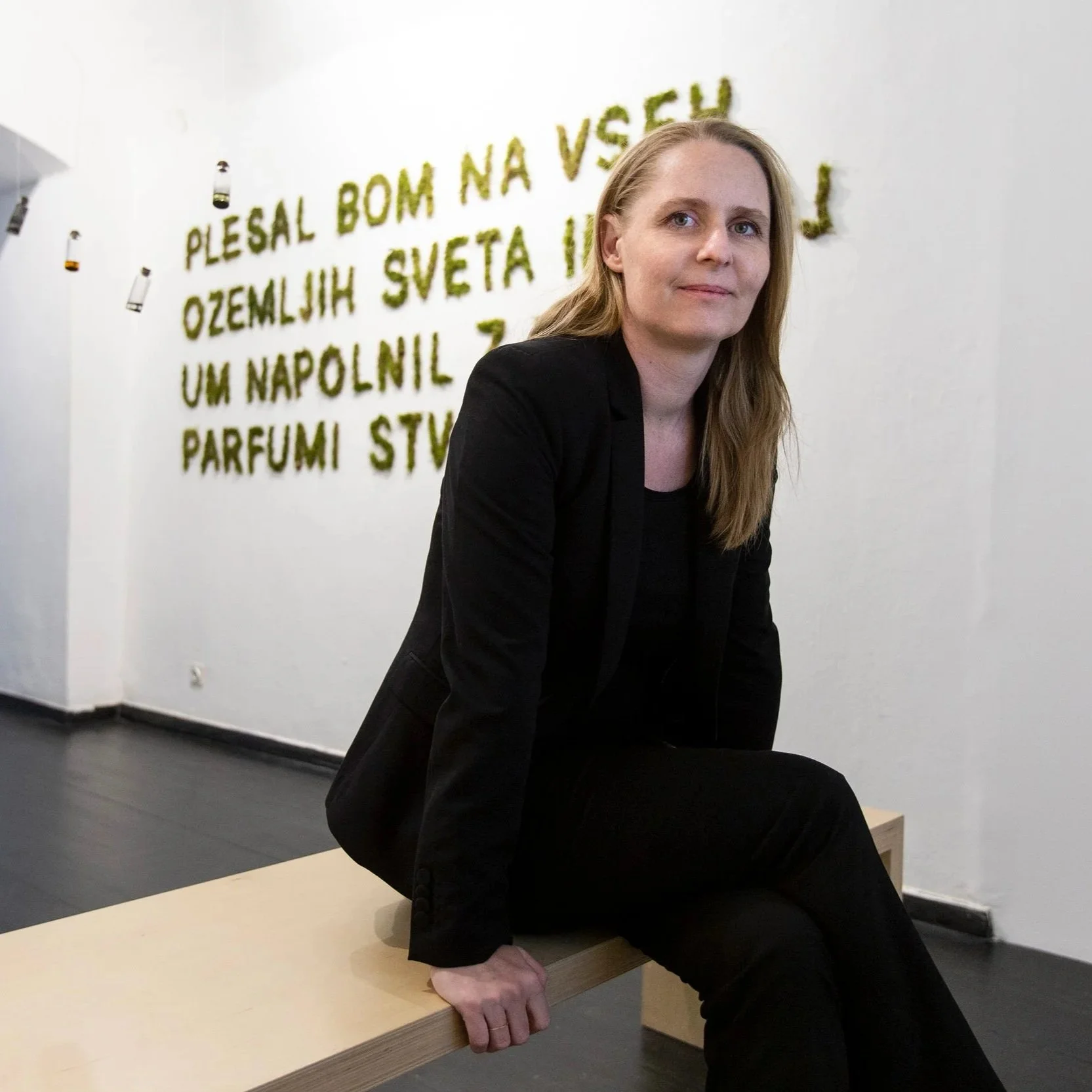
Barbara Predan is an associate professor of design history and theory, researcher, and lecturer, currently serving as the Dean of the Academy of Fine Arts and Design, University of Ljubljana. She leads the Research Institute and has directed the research program Visual Literacy since 2024. Her work examines design’s role in fostering community economies in the Anthropocene, contemporary design practices, grassroots initiatives, and solidarity economies. A key aspect of her research is promoting inclusion and diversity in education, emphasizing their importance in cultivating equitable, innovative practices. Dr. Predan’s research explores Slovenian industrial design history, women designers' contributions, and twentieth-century Central European design theory. She writes on non-aligned design, postcolonial theory, and post-socialist self-governance. In collaboration with Špela Šubic (Museum of Architecture and Design, Ljubljana), she researched Slovenian designer Janja Lap, culminating in a 2023 exhibition and monograph. This three-year project earned the international AWDA: AIAP Women in Design Award.

Professor Jure Miklavc earned a degree in industrial design from the Academy of Fine Arts and Design in Ljubljana. He started his career working as a freelance designer, before founding his own design consultancy, Studio Miklavc. The firm specialises in product design, visual communications and brand development and advises a broad client base in the sectors of light design, electronic goods, user interfaces, transport design, medical equipment and sustainable solutions. For example, sports equipment designed by the studio has gained worldwide recognition and their innovative projects have received countless international awards and been shown in various exhibitions. Jure Miklavc has been involved in design education since 2005 and is currently dedicated to young creatives as a lecturer, researcher and head of industrial design at the Academy of Fine Arts and Design in Ljubljana. He has regular lectures also at International Design school for Advanced Studies IDAS in Hongik University, Seoul.

Tamara Lašič Jurković is a teaching assistant, researcher and PhD student at the University of Ljubljana, Academy of Fine Arts and Design. She teaches the Development and Theory of Critical Design at the MA level, leads the Introductory Seminar at the MA level, and a seminar on the History and Theory of Design at the BA level. She is engaged in research projects on developing innovative creative teaching methods, visual literacy and green nudging. Her expertise lies in critical design theory, sustainability, regenerative design, posthumanism and equity in design. Along with her teaching and research, she is active in developing guidelines and training for sustainable cultural production in museums and designing sustainable, inclusive exhibitions.

Tim Prezelj earned his BSc in Microbiology and MSc in Molecular and Functional Biology. He also studied cognitive sciences and gained research experience abroad, particularly in Germany, Austria, and Italy. His work focuses on sex education and the biology of sex and gender, alongside a deep interest in art theory, which began during his university studies. Passionate about bridging the natural sciences and the humanities, he is particularly drawn to interdisciplinary fields such as neuroaesthetics and psychoaesthetics, with a strong focus on Art Science, especially bioart.
Damijan Stepančič is an assistant professor for illustration, painting and comics. After completing his studies at the Academy of Fine Arts and Design of the University of Ljubljana, he focused on book and magazine illustration, for which he received several national awards. Over time, he also devoted himself to designing puppet shows and drawing comics. All these different media offer him a comprehensive experience of artistic expression.